US Military Strikes on Iran Escalate Amid Strait of Hormuz Closure Impacting Global Oil and Tech Supply Chains
Renewed US-Iran hostilities disrupt the Strait of Hormuz, posing serious risks to tech startups reliant on stable global supply routes and venture capital in energy-linked sectors.
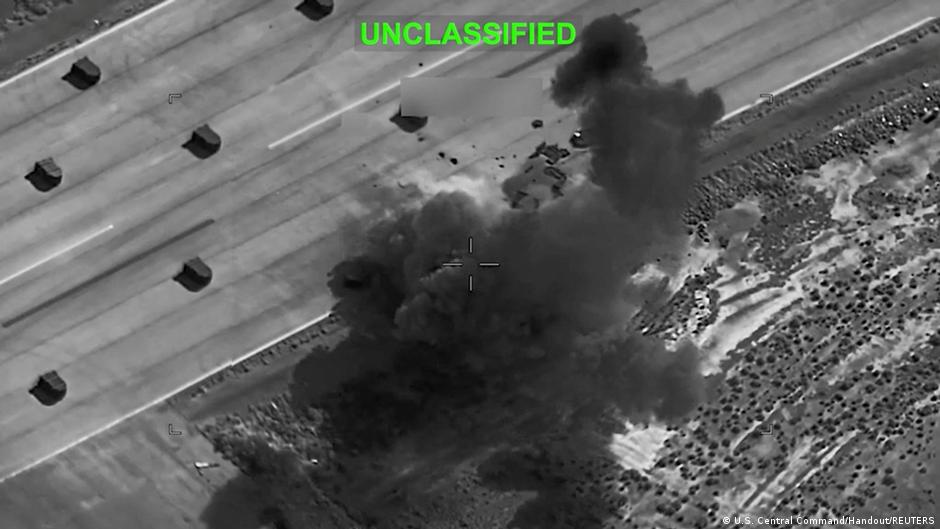
In a troubling escalation with broad implications for the global innovation ecosystem, the US military has launched its third wave of strikes against Iran within a week. These actions follow an attack by Iran's Islamic Revolutionary Guard Corps (IRGC) on the civilian container ship GFS Galaxy in the strategically critical Strait of Hormuz, a key artery for global oil exports and shipping.
The strikes, announced by the US Central Command (CENTCOM) in the early hours of July 12, have led to a closure of the Strait of Hormuz and raised concerns over supply chain disruptions that could ripple through technology startups and venture capital markets worldwide.
Geopolitical Tensions Threaten Tech Supply Chains and Investment Flows
Located at the nexus of global energy trade, the Strait of Hormuz facilitates approximately 20% of the world’s oil trade. Its repeated closure jeopardizes not only energy markets but also the operational stability of tech startups that rely heavily on just-in-time manufacturing and global supply chains. Components and raw materials for sectors like semiconductors, electronics, and clean energy devices often transit these routes.
“Iran was given an opportunity to adhere to the Memorandum of Understanding after previous attacks on commercial vessels but failed to comply,” CENTCOM stated, underscoring the US commitment to undermine Iran’s ability to threaten civilian shipping.
The recent IRGC attack on the GFS Galaxy, a Cyprus-flagged container ship, resulted in severe damage and a missing crew member, which prompted a robust US military response targeting Iranian military infrastructure such as radar and missile depots. This tit-for-tat escalation exacerbates uncertainty in global markets and heightens risks for startups and investors watching geopolitical stability closely.
US Defense Secretary Pete Hegseth summarized the situation bluntly: “Iran made the wrong choice. Now they are paying for it.” Meanwhile, Iranian authorities justify their actions as defensive measures against vessels allegedly ignoring sanctioned maritime routes.
This conflict follows a brief period of détente after a June 17 framework agreement aimed at de-escalating tensions and reopening the Strait for commercial passage. However, the fragile peace was shattered by a drone attack on a civilian tanker on June 25, leading to a series of retaliations between the US and Iran. The volatility is not confined to Iran’s borders; neighboring Bahrain and Kuwait have also been caught in crossfires, further destabilizing the region.
From a venture capital perspective, these developments bring additional uncertainty to startups operating within or dependent on Middle Eastern energy markets. Energy security and logistic stability are pivotal for innovation in alternative energy technologies, logistics tech, and emerging sectors such as autonomous shipping and maritime security solutions.
US President Donald Trump declared the memorandum with Iran defunct during the NATO summit in Ankara on July 8, reinstating full sanctions and ramping up diplomatic isolation. Despite his dismissal of negotiations, American officials continue back-channel talks, reflecting the complex interplay between diplomacy and military strategy.
Analysts note that Iranian officials have attributed these attacks to rogue elements within their system, signaling potential internal divisions that could affect future conflict dynamics and regional stability.
For technology startups and venture investors, the ongoing crisis underscores the importance of geopolitical risk assessment in supply chain management and investment decisions. Increasing focus on diversifying supply origins and enhancing local manufacturing capabilities may be accelerated in response to such geopolitical disruptions.
In sum, while the immediate impact is felt in the energy sector, the ripple effects extend deeply into the global innovation ecosystem, affecting venture capital flows, startup operations, and cross-border technology collaboration in a fragile geopolitical landscape.