EU Extends Sanctions Against Russia for One Year, Marking a Shift in Policy Duration
For the first time, the EU agrees to a full year extension of sanctions on Russia, impacting economic and political relations amid ongoing conflict.
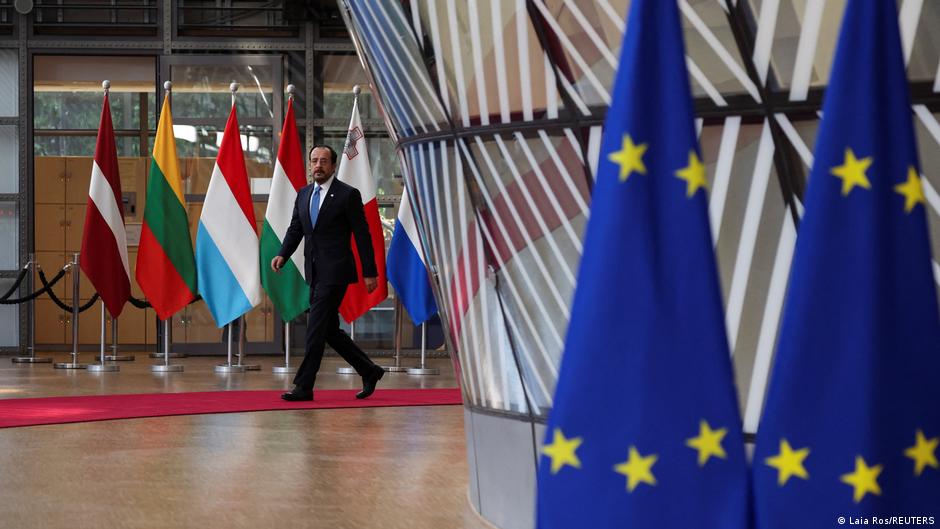
At the EU summit held in Brussels on June 18, member states reached a consensus to extend sanctions against Russia for a full year, a decision unprecedented in its duration. Previously, such measures were prolonged only for six months due to political disagreements, notably from then-Hungarian Prime Minister Viktor Orban.
This new agreement marks a significant shift in the European Union's strategy toward Russia, which has faced sanctions since its military aggression against Ukraine. The extension was confirmed by a spokesperson for the President of the European Council, António Costa, with formal approval by the EU Council expected in the coming weeks.
Implications for the Tech and Startup Ecosystem
The prolongation of sanctions to a full year affects not only political and economic relations but also the broader innovation ecosystem in Europe and beyond. For tech startups and venture capital sectors, the extended sanctions create both challenges and opportunities.
On one hand, the continued restrictions on Russia limit collaboration and market access for European technology firms, potentially disrupting supply chains and slowing cross-border innovation initiatives. Technology startups that rely on partnerships or investments connected to Russia may face increased uncertainty or funding difficulties.
Conversely, the EU's strengthened stance underlines a broader push to reduce dependency on Russian energy and technology imports. This could accelerate investments in alternative energy technologies, cybersecurity, and digital sovereignty projects within Europe, opening new avenues for startups and venture capital in these sectors.
"The EU intends to further intensify pressure on Russia and continue weakening its military economy to compel an end to its aggressive war," the summit declaration stated.
The declaration, supported unanimously by all 27 EU member states, explicitly commits to reducing Russia's revenue from energy exports, including efforts to combat the use of shadow fleets that circumvent sanctions. This economic pressure signals ongoing constraints on Russian enterprises, which reverberate into the global tech and financial markets.
Looking ahead, the EU is preparing its 21st package of sanctions against Russia. While details remain under wraps, media reports suggest new measures could include travel bans on Russian military personnel involved in the Ukraine conflict, along with restrictions targeting prominent figures such as Patriarch Kirill of the Russian Orthodox Church and Arkady Dvorkovich, president of the International Chess Federation (FIDE).
Notably, the forthcoming sanctions are expected to expand into sectors previously less targeted, including fisheries, alongside sustained measures in energy, finance, and trade. This diversification reflects the EU's comprehensive approach to diminishing Russian economic capabilities.
However, not all EU members are aligned on the new sanctions. Bulgaria's Prime Minister Rumen Radev has announced his intention to veto the upcoming package, citing concerns over potential adverse effects on Bulgaria's economy and opposition to specific restrictions on Patriarch Kirill. Despite this, Bulgaria affirms its support for Ukraine's EU accession negotiations.
For venture capital investors and startups, these political developments underscore the importance of monitoring geopolitical risks and regulatory environments. The extended sanctions regime could recalibrate investment flows, promote regional self-reliance, and stimulate innovation in strategic sectors, shaping the European tech landscape for the foreseeable future.