EU Faces Internal Divisions Over Entry Ban on Russian Combatants Amid Sanctions Debate
Italy and France express concerns that restricting Russian combatants’ entry could inadvertently affect all Russian nationals, complicating sanctions enforcement.
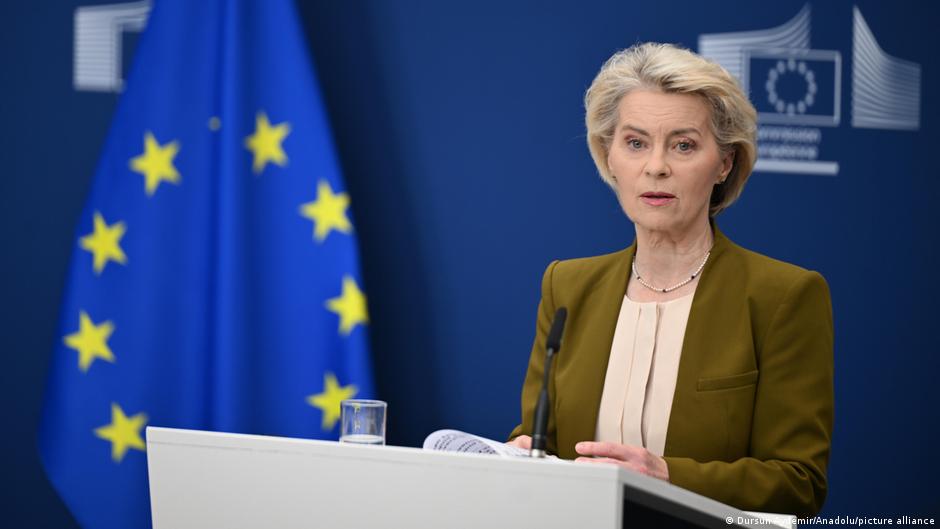
The European Union’s proposed 21st package of sanctions targeting Russia’s war effort in Ukraine has encountered reservations from key member states Italy and France. The proposals include a ban on entry to the EU for Russian individuals who have participated in combat operations against Ukraine. However, concerns are rising that such a measure might be broadly and indiscriminately applied to all Russian citizens, creating diplomatic and logistical challenges.
EU Sanctions Package and Its Implications for Mobility
The 21st sanctions package, announced by European Commission President Ursula von der Leyen on June 9, aims to tighten restrictions on Russia’s military, financial, energy, and trade activities in response to Moscow’s ongoing full-scale invasion of Ukraine. Among the measures is a call to prohibit entry into the EU for anyone who has served in the Russian armed forces since the start of the conflict.
"Europe remains closed to all who participated in the invasion of Ukraine," von der Leyen affirmed.
While the intent is to restrict the movement of combatants, both Paris and Rome have voiced doubts about the practical implementation of this ban. Sources indicate they worry that the directive could be interpreted too broadly, potentially leading to the refusal of entry for all Russian nationals, irrespective of their involvement in the conflict.
One significant complication arises from the need for individual EU member states to determine who qualifies as a combatant. Given the difficulty in verifying military participation, this could result in inconsistent enforcement, legal disputes, and diplomatic tensions within the bloc.
Impact on Tech Startups and the Innovation Ecosystem
The broader geopolitical tension and resulting travel restrictions may also have unintended consequences for the European technology and startup ecosystem. Russia’s tech talent and entrepreneurs have historically contributed to various sectors across Europe. An overly broad entry ban risks alienating non-combatant Russian professionals, dampening cross-border innovation collaboration, and limiting talent mobility essential for venture capital investments and startup growth.
Venture capital firms and startups that engage with Russian founders or rely on Russian expertise might face increased uncertainty. This could lead to reduced investments or prolonged due diligence as firms navigate tightened regulatory scrutiny and evolving sanction frameworks.
Furthermore, the EU’s internal disagreements reflect broader challenges in balancing strict punitive measures against Russia with maintaining an open and competitive innovation environment. Effective sanctions require precise targeting to avoid collateral damage to innocent individuals and economic sectors.
Next Steps and Broader Sanctions Context
The 21st sanctions package is scheduled for discussion and unanimous approval by EU member states on June 26. Besides mobility restrictions, it includes measures affecting energy pricing, particularly enforcing a price cap on Russian oil imports amid soaring global prices, as well as new restrictions on fisheries and financial sectors.
EU officials have emphasized that each new round of sanctions aims to close loopholes identified in previous packages and to intensify pressure on Russia’s capacity to finance its war. However, as the conflict evolves and Ukraine gains ground, member states must reconcile their differing national interests and operational concerns.
As one insider remarked, the challenge lies not only in designing effective sanctions but also in ensuring their practical enforceability without unintended consequences for EU-Russia relations and the broader European economic ecosystem.