US Defense Firms Fear Ukraine Could Enhance and Mass-Produce Patriot Missiles
Raytheon and Lockheed Martin express concerns over potential Ukrainian upgrades and manufacturing of Patriot missile interceptors amid licensing debates.
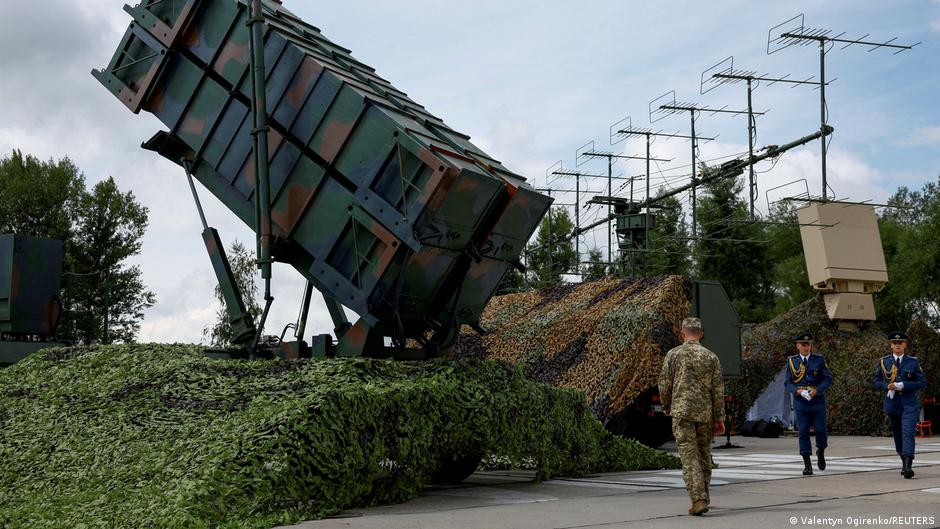
Leading American defense contractors Raytheon and Lockheed Martin have raised apprehensions about Ukraine obtaining licenses to produce and potentially improve Patriot missile interceptors. They fear that such authorization could enable Ukraine to manufacture these advanced missiles on a larger scale, more rapidly, and at a lower cost than U.S. production lines currently allow.
Implications for the Defense and Technology Ecosystem
According to reports, these companies officially cite concerns over intellectual property theft and unauthorized technology transfer as the basis for their opposition. A U.S. Republican congressman supporting the licensing confirmed these anxieties, highlighting the delicate balance between aiding an ally and protecting proprietary technology.
"If Ukraine obtains licenses to produce Patriot missiles, they could innovate and manufacture them more efficiently than we do domestically." – Unnamed U.S. Congress Member
Ukraine's President Volodymyr Zelensky disclosed that during the initial year of the conflict, he petitioned then-President Joe Biden for Patriot missile production licenses. Zelensky indicated a historic agreement with former President Donald Trump to provide such licenses, lamenting the delays caused by bureaucratic hurdles. He emphasized the urgency given the ongoing conflict and the threat posed by incoming enemy missiles.
"Now we are tangled in paperwork, but real missiles are flying and killing people," Zelensky stated, urging both American and European allies to expedite approvals for these critical defense technologies.
Journalistic sources reveal that high-ranking Ukrainian officials raised the licensing issue with then-Defense Secretary Lloyd Austin and National Security Advisor Jake Sullivan during the Biden administration, only to face unexplained refusals. The hesitation appears linked to concerns that Ukraine might produce surplus Patriot missiles not only for its own defense but possibly for sale to U.S. allies before the war's conclusion.
This scenario has sparked unease within U.S. defense circles, where safeguarding advanced military technology and controlling its proliferation remains a priority.
Additionally, in early August, former President Trump commented on the availability of Patriot missiles. When asked if additional interceptors and long-range missiles would be provided to Ukraine, Trump responded, "We need the missiles ourselves." He also criticized the Biden administration for depleting U.S. ammunition stockpiles due to the extensive military aid given to Ukraine, asserting that replenishment efforts are ongoing.
Potential Impact on Tech Startups and Venture Capital
The controversy surrounding Patriot missile licensing and production touches on broader themes relevant to the defense technology and startup ecosystems. Should Ukraine gain the ability to manufacture and innovate on these missile systems independently, it could signal a shift towards decentralization and modernization of advanced defense manufacturing. This development may open doors for startups specializing in missile technology, supply chain optimization, and defense manufacturing software within Ukraine and allied regions.
Moreover, venture capital firms focusing on defense tech and dual-use innovations may find emerging opportunities as Ukraine and its partners seek to develop indigenous capabilities. However, the tension between intellectual property protection and collaborative innovation will necessitate careful navigation of licensing agreements and security protocols.
In summary, the debate over Patriot missile production licenses encapsulates the complex interplay of national security, technology transfer, and innovation ecosystems. It underscores the challenges faced by startups and investors operating at the nexus of defense technology and international collaboration.