Turkey Resumes Maritime Transit Through Straits Amid Black Sea Security Concerns
Turkey has reopened its straits for shipping to the Black Sea, impacting trade routes and signaling shifts in regional maritime security.
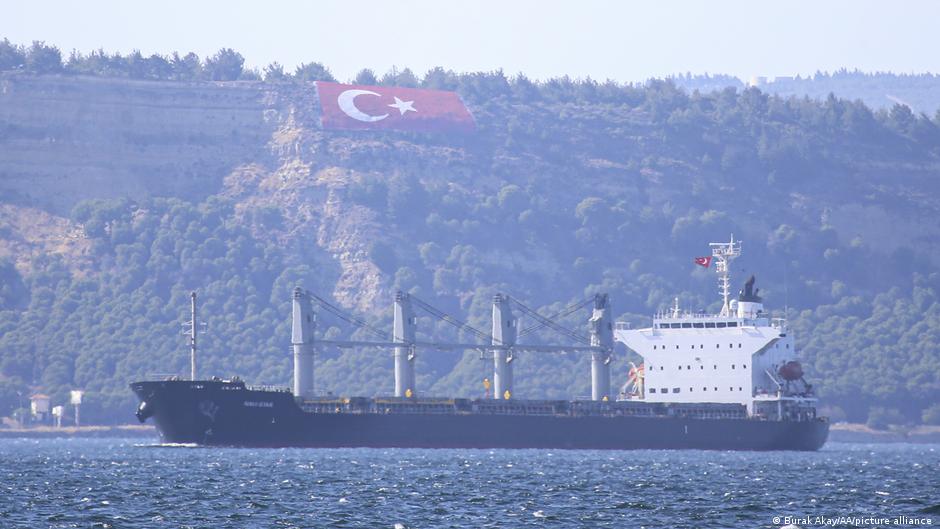
On August 9, Turkey resumed the passage of vessels through the strategic Dardanelles Strait, allowing key tankers and container ships to transit towards the Black Sea. This development follows a temporary restriction imposed amid rising security threats from increased Russian and Ukrainian attacks in the region.
Implications for Maritime Trade and Regional Stability
The reopening was marked by the passage of the oil tanker Aegean Dream and the container ship Mehmet Kahveci A, both heading to the Russian port of Novorossiysk. These vessels had been waiting for days due to the previous restrictions on transit permits issued by Turkish authorities. Notably, the restrictions applied to ships destined for both Russia and Ukraine, reflecting Ankara’s cautious approach amid escalating conflict risks.
“We have proposed a moratorium on attacks in the Black Sea and have several measures underway to ensure maritime security,” stated Turkey’s Foreign Minister Hakan Fidan.
Turkey's strategic position controlling the Bosporus and Dardanelles straits—vital maritime corridors linking the Mediterranean and the Black Sea—grants it significant influence over regional trade flows and security dynamics. The temporary suspension of vessel transit underscored the vulnerabilities that armed conflict in the Black Sea poses to global trade, especially energy and grain exports.
Turkish authorities have not publicly detailed the reasons for restricting ship movement but have expressed growing concern over drone and missile strikes targeting commercial vessels. Earlier in August, attacks on ships owned by Turkish companies resulted in injuries to crew members, prompting urgent calls for international cooperation to secure these crucial waterways.
Impact on Tech Startups and the Innovation Ecosystem
The instability affecting maritime logistics in the Black Sea region reverberates beyond traditional trade sectors, influencing the regional tech startup and venture capital ecosystem. Many technology ventures specializing in maritime logistics, supply chain monitoring, and drone surveillance have seen heightened demand due to increased security needs.
Furthermore, venture capital firms are closely monitoring the evolving geopolitical landscape that shapes investment risks and opportunities. Startups developing advanced maritime tracking systems, autonomous vessel technology, and cybersecurity solutions targeting shipping infrastructure are positioned to play pivotal roles in mitigating conflict-driven disruptions.
As Turkey navigates its diplomatic balancing act and implements new security measures, the potential for partnerships and funding in defense-tech startups and innovation hubs oriented around maritime safety is growing. This situation creates a fertile environment for venture-backed companies that can provide adaptive, tech-driven solutions to emerging challenges in Black Sea navigation and commerce.
The recent agreement reported by a U.S. official—where Ukraine committed to aiding the safe passage of non-Russian oil tankers—also highlights opportunities for technology providers offering secure communication and navigation platforms to ensure compliance and real-time coordination.
In conclusion, Turkey’s resumption of ship transits through its straits serves as a critical juncture in maintaining Black Sea trade flows and regional security. For the tech startup ecosystem, this evolving context presents both challenges and openings for innovation, investment, and strategic partnerships aimed at strengthening maritime safety and resilience.