EU Launches First Negotiation Cluster for Ukraine and Moldova's EU Accession
The EU initiates formal negotiations with Ukraine and Moldova, advancing from preparatory talks to detailed membership conditions.
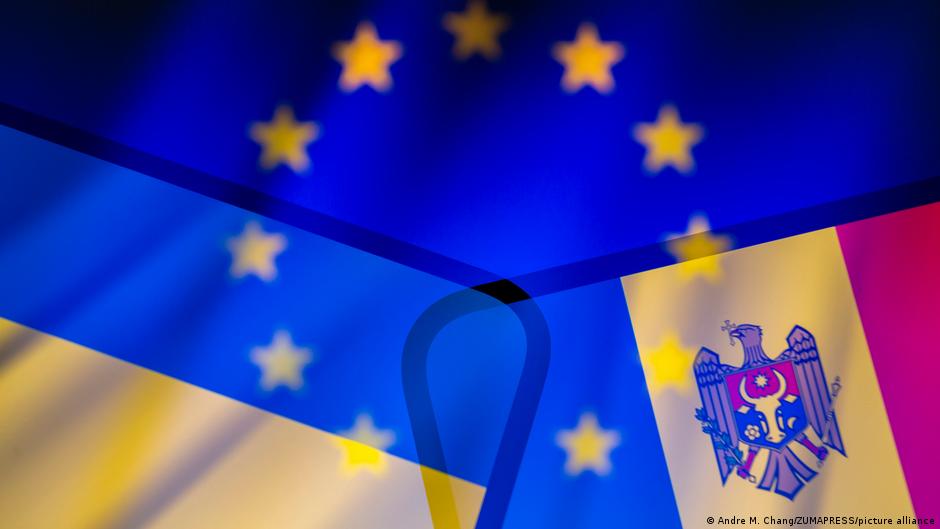
The European Union has officially launched the first negotiation cluster dedicated to the accession talks of Ukraine and Moldova. This milestone marks a significant transition from preliminary discussions toward concrete work on the terms and conditions of their potential EU membership.
On June 15, in Luxembourg, the foreign ministers of the EU member states convened to inaugurate the first thematic cluster of negotiations for Ukraine and Moldova’s EU integration. The event was confirmed by diplomats from Cyprus, which currently holds the rotating presidency of the EU Council.
"We have all awaited this day for a long time, and today we can finally celebrate," stated Marilena Raouna, Cyprus's Deputy Minister for European Affairs. "The future of Ukraine and its citizens is closely linked with the European Union."
Structured Negotiations and Their Implications for Reform and Innovation
The EU accession negotiation process is organized into six major thematic clusters that encompass various sectors of legislation and public policy. These clusters serve as frameworks within which the EU evaluates how prepared candidate countries are to align with EU rules and standards. The opening of the first cluster signals progress from preliminary assessments toward detailed scrutiny of national legislation compliance and necessary reforms.
For technology startups and the broader innovation ecosystem within Ukraine and Moldova, this advancement in EU accession talks could accelerate regulatory harmonization, improve access to EU markets, and attract increased venture capital and foreign investment. Alignment with EU standards often entails modernization of data protection laws, intellectual property rights, digital economy regulations, and competition policies—all critical areas for the growth and scaling of startups.
"The future of Ukraine and its citizens is closely linked with the European Union," said Cyprus’s Deputy Minister for European Affairs, emphasizing the geopolitical and economic significance of the accession process.
As Ukraine and Moldova progress through the negotiation clusters, reforms will likely target not only political and economic frameworks but also technological infrastructure and innovation-friendly policies. For investors and venture capitalists, this could signal emerging opportunities in these markets, including enhanced legal certainty and integration with EU digital initiatives.
In the context of mergers and acquisitions (M&A), improved regulatory alignment might facilitate cross-border transactions and partnerships between startups in Ukraine, Moldova, and the EU. This integration may enhance the attractiveness of these startups to international investors looking for promising ventures in emerging Eastern European markets.
Overall, the launch of the first negotiation cluster reflects a tangible step towards integrating Ukraine and Moldova into the EU ecosystem, with positive ramifications for economic modernization, innovation, and venture capital engagement.