Belarus Orders Underperforming Agricultural Workers into Military Service Amid Harvest Drive
President Lukashenko mandates 'discipline through military service' for unproductive farm workers during critical harvest period.
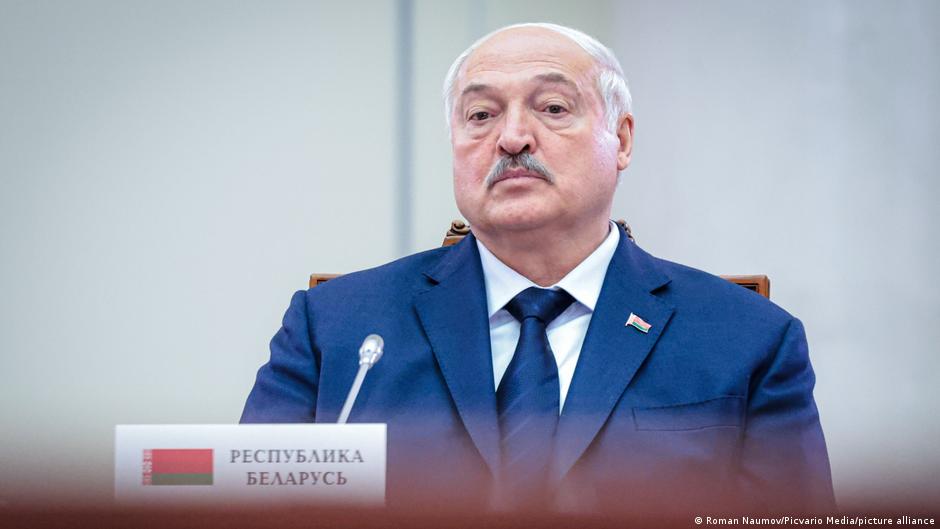
Belarusian President Alexander Lukashenko has issued a controversial directive to send agricultural workers who fail to meet productivity standards during the harvest to military service. This move is part of a broader government effort to enforce discipline and enhance labor efficiency amid a crucial agricultural campaign.
From Field to Military: A Strategy to Boost Agricultural Discipline
On July 21, Lukashenko ordered that workers deemed undisciplined or incapable of performing their agricultural duties be conscripted for so-called "military-educational works." According to the president, this is not intended as punitive harassment or merely to increase army ranks, but rather as an opportunity for individuals to demonstrate their capabilities in a different, physically demanding environment.
"If you don't want to work on this job, we will test you on another — a proper manly and womanly job in the army," Lukashenko stated during a working visit to the Brest region.
The directive mandates that those who are negligent, drunk, lazy, or otherwise underperforming in the harvest will be reassigned for a two-to-three-month military service period under "spartan" conditions. These measures are framed as a way for workers to improve physical fitness, correct past mistakes, and contribute productively to the nation.
Head of the Presidential Administration Dmitry Krutoy elaborated on the policy on July 22, emphasizing that the government has imposed the "strictest mobilization regime" for the harvest. He explained that the Ministry of Defense will receive the so-called "negligent, errant workers, drunks, idlers, and slackers" for military training, reinforcing discipline and labor responsibility.
Furthermore, Lukashenko stressed the importance of technological and labor discipline across all levels, suggesting that Belarus’s broader economic and social progress hinges on imposing stronger work ethics and organizational rigor.
Implications for Belarus's Innovation and Labor Ecosystem
This policy sheds light on the current state of Belarus’s labor and innovation environment, particularly in the agricultural sector, which remains vital to the country’s economy. From a venture capital and startup perspective, the move highlights systemic challenges in workforce productivity and labor management that could impact the broader innovation ecosystem.
For startups and tech companies in Belarus, maintaining a productive and disciplined labor pool is critical, especially for agri-tech ventures aiming to modernize farming through automation, data analytics, and robotics. However, the government’s resort to military conscription as a corrective measure underscores persistent gaps in workforce engagement and training mechanisms.
Moreover, the heavy-handed approach may affect the country’s attractiveness for international VC investors who favor stable labor markets and progressive labor practices. The focus on discipline through military-style service contrasts with global trends that prioritize skills development, flexible labor arrangements, and innovation-friendly policies.
In addition, this development could influence mergers and acquisitions activity within Belarus’s agricultural and defense sectors, as companies may seek to adapt to shifting regulatory frameworks and labor dynamics. The enforced mobilization of underperforming workers might also drive startups to accelerate automation efforts, reducing dependency on human labor that the state regards as unreliable.
Overall, Lukashenko’s order reflects a broader attempt by the Belarusian government to tighten control over key economic sectors amid ongoing geopolitical tensions and domestic challenges. For the country’s tech and startup communities, it signals a need to navigate a complex and sometimes rigid regulatory environment while seeking innovative solutions to longstanding labor inefficiencies.