North Korean Ballistic Missile Use in Ukraine Signals New Risks for Tech and VC Ecosystem
Russia's deployment of North Korean missiles in Ukraine may intensify geopolitical tensions affecting global startup innovation and venture capital flows.
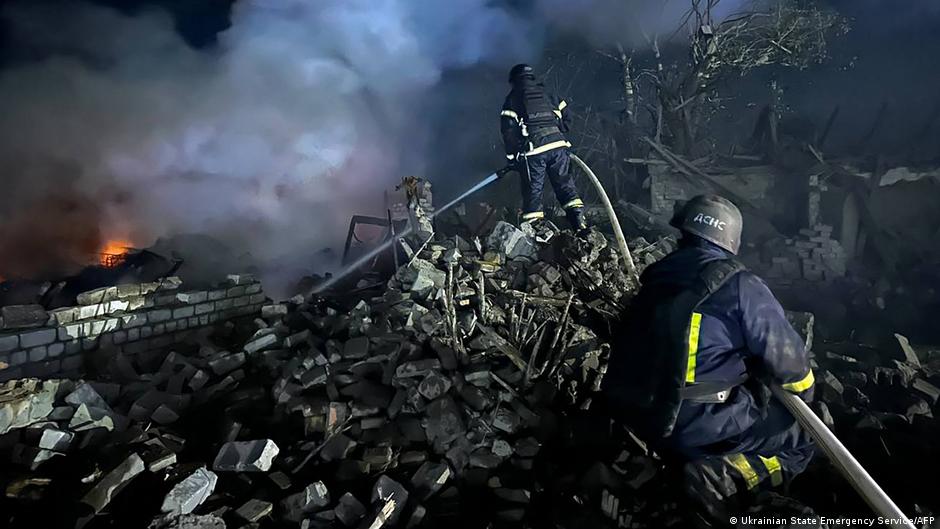
Recent reports indicate that Russian forces have employed a ballistic missile supplied by North Korea in an attack near Kryvyi Rih, Ukraine, marking a significant development in the ongoing conflict. The missile strike tragically killed six members of a family in the village of Radushne, Dnipropetrovsk region. Ukrainian President Volodymyr Zelensky confirmed the missile's origin, emphasizing the broader geopolitical implications.
Geopolitical Tensions and Implications for the Innovation Ecosystem
This unprecedented use of North Korean missile technology by Russia highlights an escalation in military collaboration between the two nations. Earlier in 2024, Moscow and Pyongyang formalized a comprehensive strategic partnership, which includes military cooperation and arms exchanges. Ukrainian leadership has warned this alliance threatens regional stability not only in Asia but globally.
For the technology startup sector and venture capital (VC) community, such geopolitical escalations introduce a layer of strategic uncertainty. Increased geopolitical risk can lead to shifts in investment priorities, disruptions in supply chains, and hesitancy among international investors targeting Eastern European innovation hubs.
"This alliance between Russia and North Korea represents a new challenge for global stability, which may indirectly affect emerging tech ecosystems dependent on stable geopolitical climates," said a regional innovation analyst.
Ukraine has been positioning itself as a growing tech hub with a vibrant startup scene that has attracted increasing VC funding over recent years. However, intensified conflict zones may deter venture funds from entering or expanding within these markets, potentially slowing the pace of startup innovation and technology development.
Moreover, the need for enhanced security and defense capabilities within the tech sector itself is rising. Startups specializing in cybersecurity, defense technologies, and dual-use innovations may experience increased demand amid calls for improved national resilience.
Calls for International Support and Impact on Innovation Funding
President Zelensky has urged Western allies not only to condemn the missile attack but to actively supply advanced anti-aircraft defense technology to deter further aggressions. This call for military support underscores an urgent need for collaborative international responses, which may extend into the technology and venture capital domains.
Venture capital firms and tech companies operating in or near conflict zones face unique challenges including operational risks, talent retention issues, and potential delays in research and development activities. These factors collectively influence the broader innovation ecosystem's vitality and its attractiveness to foreign investors.
As Russia's military partnerships evolve, startups focused on advanced aerospace, missile defense, and security technologies may find new opportunities for venture funding and government contracts. Conversely, broader regional instability could constrain access to global capital markets and slow cross-border collaborations.
Ultimately, the intersection of geopolitical conflict and technological innovation presents a complex environment for stakeholders across the venture and startup landscape. Attuned to these developments, investors and entrepreneurs must navigate emerging risks while identifying avenues for resilience and growth in an unpredictable global context.