Fuel Price Surge in Crimea Highlights Risks for Russian Tech Startups Amid Economic Strains
Nearly doubling gasoline prices in Crimea underscore growing economic instability impacting Russia's innovation ecosystem and venture capital climate.
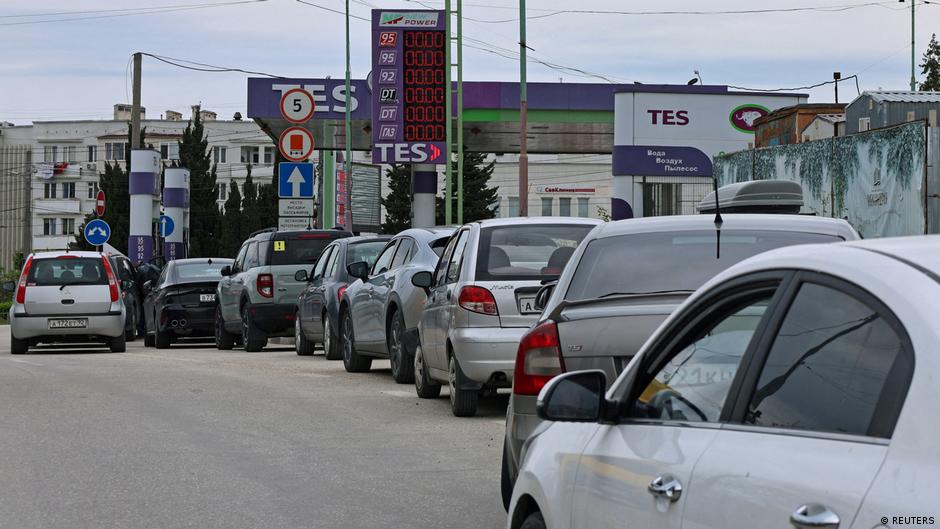
In early July 2024, gasoline prices in annexed Crimea surged dramatically, with average fuel costs rising by 78.4% in just one week, according to the Russian Federal State Statistics Service (Rosstat). The price of AI-95 gasoline—the most popular grade among drivers—increased by 92%, reaching 170.59 rubles per liter. This price spike far outpaces increases seen across other Russian regions and occupied territories.
Economic Pressures Challenge Russia’s Innovation and Investment Landscape
Fuel price volatility in Crimea is emblematic of wider energy supply challenges facing Russia amid ongoing geopolitical tensions and domestic market disruptions. Since late May, a series of attacks on Russian oil refineries and energy infrastructure have precipitated acute shortages of gasoline and diesel fuels nationwide. The scarcity has forced consumers to endure long queues and intermittent service at many gas stations, with restrictions on fuel sales extending to about 60 Russian regions and occupied areas.
"The surge in fuel costs, especially in contested regions like Crimea, adds a new layer of operational risk for startups and investors dependent on stable energy access and logistics."
These developments have prompted the Russian government to take unprecedented steps to stabilize the domestic fuel market. From July 8 to 31, a ban on diesel fuel exports was imposed—even restricting producers of petroleum products—aimed at preserving internal supply. Additionally, the government relaxed environmental standards by permitting the sale of older Euro-3 grade fuels with higher sulfur content, a move signaling desperation to address shortages despite environmental costs.
For the venture capital and technology startup sectors, the implications are multifaceted. Higher fuel prices directly increase operational expenses tied to transportation, manufacturing, and supply chains, particularly for startups reliant on physical product delivery or hardware development. Furthermore, the uncertainty and economic strain dampen investor confidence and reduce available capital for early-stage innovation ventures.
Russia’s increased reliance on imported petroleum products—from India, Kazakhstan, and potentially Japan—reflects systemic vulnerabilities in domestic energy production. This dependence on maritime and cross-border fuel supplies introduces logistical complexities and cost fluctuations that may ripple through to tech enterprises and their service providers.
Regions beyond Crimea have also experienced elevated fuel prices, though none as severe: Ivanovo Oblast saw a 19% increase, while prices in Siberian and Caucasus republics remain high, with AI-95 fuel exceeding 90 rubles per liter in areas such as Kalmykia and Dagestan. This nationwide trend further constrains economic growth and startup scalability across Russia.
As Russia’s government prioritizes short-term energy stability over environmental standards and export revenues, the resultant economic conditions pose risk factors that venture capitalists and tech entrepreneurs must navigate carefully. The fuel crisis illustrates how geopolitical conflicts and infrastructure vulnerabilities can cascade to disrupt innovation ecosystems, emphasizing the need for resilient operational models and diversified supply chains within Russia's tech industry.