US Plans to Remove Syria from Terrorism Sponsors List, Opening Doors for Investment and Tech Innovation
The US intends to lift sanctions on Syria, promising new investment opportunities and potential growth for tech startups in a recovering Syrian economy.
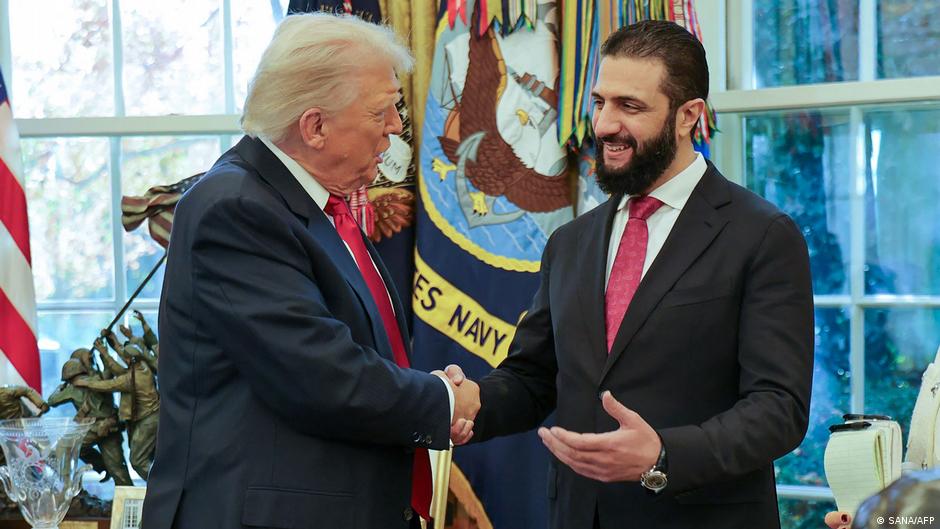
In a significant geopolitical shift, former US President Donald Trump has pledged to remove Syria from the list of state sponsors of terrorism, a move that could transform the country's economic landscape and open new avenues for venture capital and startup innovation.
Trump conveyed this commitment in a letter addressed to Syria's interim President Ahmed al-Sharaa, signaling a thaw in US-Syria relations. The letter, referenced by multiple sources, emphasized readiness from American companies eager to invest and contribute to Syria's prosperity.
Potential Impacts on Syrian Tech Startups and Venture Capital
The removal of Syria from the terrorism sponsors list would eliminate significant restrictions on US foreign aid, arms exports, and financial transactions with the country. For the Syrian tech ecosystem, this translates to increased access to global capital flows, technology transfer, and partnerships with international investors.
Historically, sanctions and geopolitical tensions have stifled innovation and entrepreneurship in Syria, preventing integration with global markets and technological ecosystems. The anticipated lifting of sanctions opens the door for venture capital funds to explore opportunities in a post-conflict economy ripe for rebuilding.
"We have American companies ready to invest in Syria and help make your country greater and more prosperous than ever before," Trump wrote, underscoring the potential for economic revival through foreign investment.
Several companies from Saudi Arabia have already expressed interest in investing in Syria's reconstruction, highlighting a regional appetite for economic engagement. This momentum is expected to further encourage international venture capitalists to consider Syria's emerging startup scene, which could include sectors such as e-commerce, fintech, renewable energy, and infrastructure technology.
Moreover, the positive diplomatic developments, including the historic meetings between US and Syrian leaders—the first in 25 years—signal a pathway towards reintegration of Syria into the global economy. This reintegration is critical for startups that depend on cross-border collaborations, supply chain access, and foreign direct investment.
However, challenges remain. The Syrian economy is still recovering from years of conflict, and political uncertainties could impact investor confidence. Additionally, the transition from aid-dependent reconstruction to sustainable innovation-driven growth requires robust institutional frameworks and legal protections for startups and investors alike.
Nevertheless, the US government's strategic pivot presents an unprecedented opportunity for venture capital to catalyze technological innovation in Syria, potentially transforming it into a new frontier for startups in the Middle East.
Looking ahead, monitoring how US policymakers, Syrian authorities, and international investors navigate these changes will be crucial to understanding the long-term impact on Syria’s innovation ecosystem and regional tech startup dynamics.