US Military Strikes Against Iran Raise Concerns for Tech Startups and Venture Ecosystem
New US-Iran tensions disrupt Ormuz Strait stability, impacting regional trade and innovation investment flows.
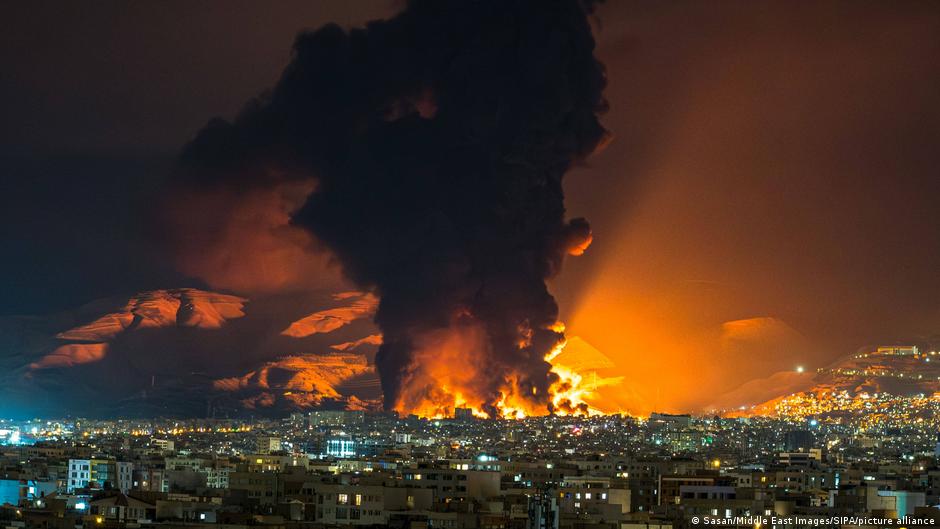
The recent escalation of US military operations targeting Iran has reverberated far beyond geopolitical circles, casting a shadow over the technology startup ecosystem and venture capital climate in the broader Middle East region.
Geopolitical Conflict and Its Ripple Effects on Innovation
Following orders from then-President Donald Trump, US forces launched a series of aggressive strikes against over 80 Iranian military targets, aiming to contain Tehran’s ability to interfere with maritime traffic in the strategically vital Ormuz Strait. These operations notably targeted Iranian air defense systems, communication networks, coastal radar installations, and over 60 fast-attack boats belonging to the Islamic Revolutionary Guard Corps (IRGC).
The Ormuz Strait is a critical maritime chokepoint for global energy trade, with significant volumes of oil and liquefied natural gas passing through it daily. Disruptions here have the potential to destabilize energy prices and supply chains, creating uncertainty for startups and enterprises reliant on predictable logistics and regional economic stability.
Moreover, the US decision to reinstate sanctions on Iranian oil exports shortly after the strikes signals a tightening economic environment. These sanctions potentially constrict capital flows and complicate cross-border investments, which are vital for nascent tech firms and regional venture capital (VC) activity.
“The demonstrated aggression by Iran was unjustified and posed a direct threat to maritime security,” stated the US Central Command, underscoring the military rationale but also highlighting the broader instability now facing the region’s economic sectors.
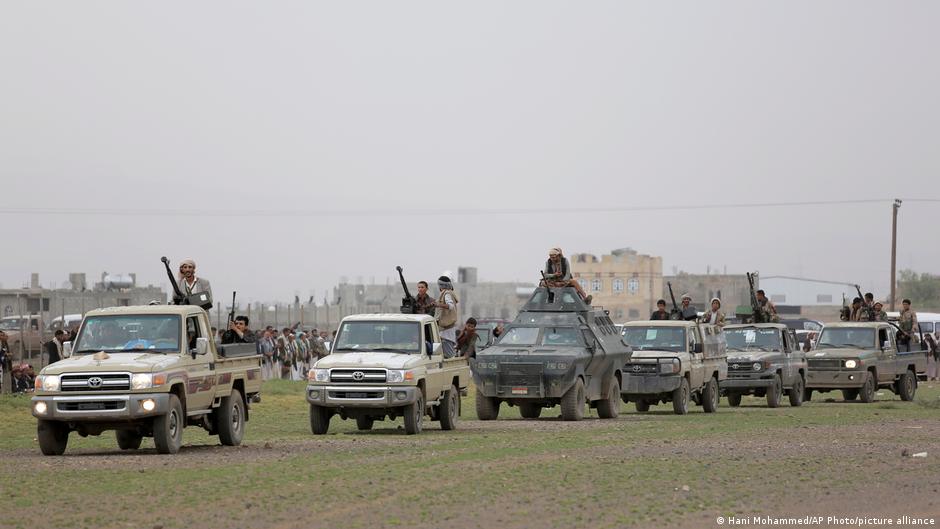
Iran’s government condemned the strikes as violations of a memorandum on free navigation through the Ormuz Strait, threatening retaliatory actions. Such tit-for-tat escalation presents risks for emerging tech hubs in nearby Gulf countries, where startups and investors rely on steady geopolitical climates to nurture innovation and scale new ventures.
Earlier retaliatory attacks reportedly targeted US military assets in Kuwait and Bahrain, further exacerbating regional tensions. These countries are also key players in the Middle East’s growing technology and startup ecosystems, serving as launchpads for new ventures and investment corridors between East and West.
Amid this volatility, venture capital firms and tech entrepreneurs face increased uncertainty, with potential funding delays, heightened risk premiums, and disrupted supply chains. The instability also threatens the expansion of digital infrastructure projects and cross-border partnerships critical to the region’s innovation economy.
Finally, the unresolved issues surrounding the Ormuz Strait’s security and Iran’s nuclear program cast a long shadow over future regional cooperation frameworks essential for sustainable economic development and technology sector growth.
In sum, while the military confrontations focus on immediate security concerns, the cascading effects on trade routes, capital flows, and startup ecosystems are profound. Stakeholders in venture capital and technology sectors must monitor these developments closely, adapting strategies to navigate the uncertain environment shaped by continuing US-Iran tensions.