Fuel Sales Restrictions in Russia Impact Regional Markets Amid Drone Attacks on Oil Facilities
Widespread limits on gasoline and diesel sales across 53 Russian regions disrupt supply chains and challenge the oil sector's stability.
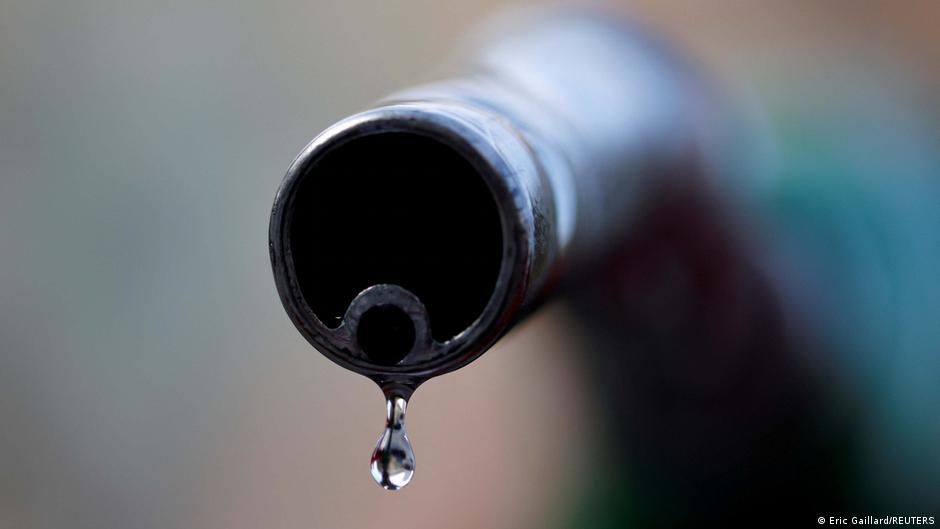
Russia is experiencing significant disruptions in its retail fuel market as authorities impose widespread sales limits following a series of drone attacks targeting oil refining and storage facilities. This escalation in operational challenges threatens to ripple through the country’s energy-dependent sectors, including the technology startup ecosystem reliant on stable logistics and energy supplies.
Regional Fuel Sale Limits Reflect Supply Strains
From June 23, major fuel retailers such as Lukoil in the Voronezh region have initiated strict controls on fuel dispensing. Customers are now limited to purchasing a maximum of 30 liters of gasoline and 60 liters of diesel per fill-up at local gas stations, with higher caps on highway stations where up to 60 liters of gasoline and 200 liters of diesel are allowed.
Similar restrictions have been enacted throughout multiple regions, including Omsk, where Governor Vitaly Khotsenko announced limits of 40 liters for gasoline and 80 liters for diesel per transaction. In Irkutsk, Governor Igor Kobzev reported that some gas stations have reduced fuel sales or ceased operations altogether, leading regional authorities to adopt a manual, emergency response mode.
“Due to the fuel crisis, authorities are compelled to transition to a hands-on management approach to mitigate artificial shortages and prevent speculative activities,” said regional officials.
Additional regions enforcing sales restrictions include Saratov, Amur, Tambov, Lipetsk, Tula, Tver, and Vladimir oblasts. Temporary sales caps are currently in place across 53 Russian regions, as well as in territories annexed by Russia in Ukraine.
Drone Attacks Disrupt Oil Production and Supply Chains
The root cause of this crisis is a surge in drone strikes by Ukrainian forces targeting Russia’s key oil refining plants and fuel depots. These attacks, which intensified in May and June, have led to the sharpest decline in Russian oil production in over a year. According to Reuters, most large-scale oil infrastructure in central Russia was forced to cut or suspend operations by the end of May.
This operational slowdown not only reduces fuel availability but also creates significant uncertainty for downstream sectors, including the venture capital and startup environment. Many tech startups, particularly those reliant on transportation, manufacturing, or energy-intensive processes, face challenges caused by rising fuel scarcity and costs, potentially slowing innovation and scaling efforts.
Moreover, the instability in fuel supply complicates logistics and delivery operations critical for startups aiming for rapid market penetration or regional expansion. Venture capital investors may consequently reassess risk profiles for Russian startups and technology ventures impacted by this energy supply volatility.
Broader Implications for Russia’s Innovation Ecosystem
The fuel crisis highlights vulnerabilities in Russia’s infrastructure amid ongoing geopolitical tensions. For the venture capital community, these developments underscore the importance of evaluating external risks beyond traditional market or technological factors. Energy supply constraints and regional instability could influence investment strategies, potentially diverting capital towards sectors less exposed to such disruptions or fostering innovation in energy efficiency and alternative fuels.
As Russia contends with these challenges, stakeholders in the startup ecosystem must navigate a complex landscape shaped by infrastructural constraints, geopolitical conflict, and evolving government interventions.