Explosion in Moscow Restaurant Raises Security Concerns for Russian Military Leadership and Tech Ecosystem
The recent attack targeting high-ranking Russian Aerospace Forces officials may impact tech startups and venture capital linked to defense innovation.
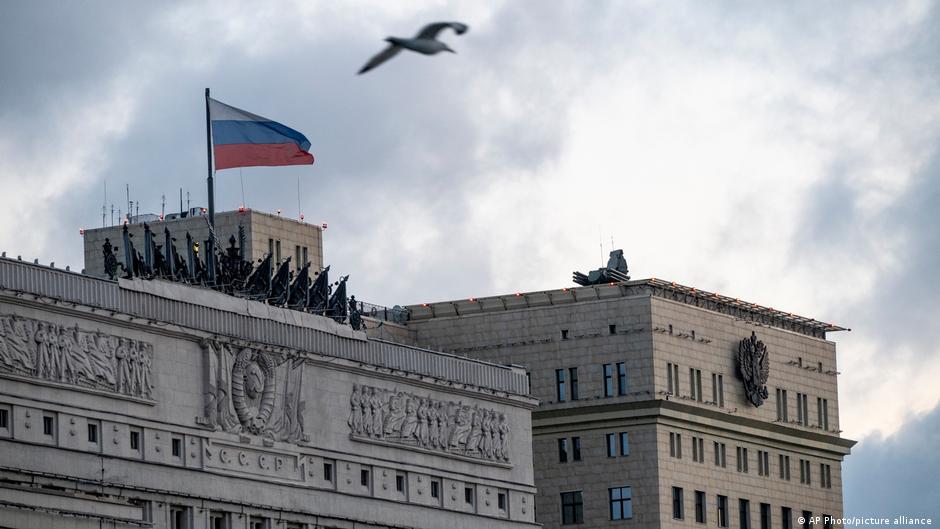
On August 5, Moscow witnessed the secret burial of Lieutenant General Igor Yerusalimov, whose death remains unexplained but is widely speculated to be connected to the August 1 explosion at Balzi Rossi restaurant in the city center. The incident, which killed three and injured 21, reportedly involved a concealed explosive device brought to a private event.
Security Incident Highlights Vulnerabilities in Military-Linked Tech Circles
The explosion occurred near Kudrinskaya Square during a private gathering, allegedly targeting Alexander Chaiko, the commander of the Russian Aerospace Forces (VKS), appointed in May 2026. Although Chaiko survived unharmed, the attack resulted in the death of several individuals closely associated with him, including Daniil Peredriy, his son-in-law, and injuries to his daughter, Maria.
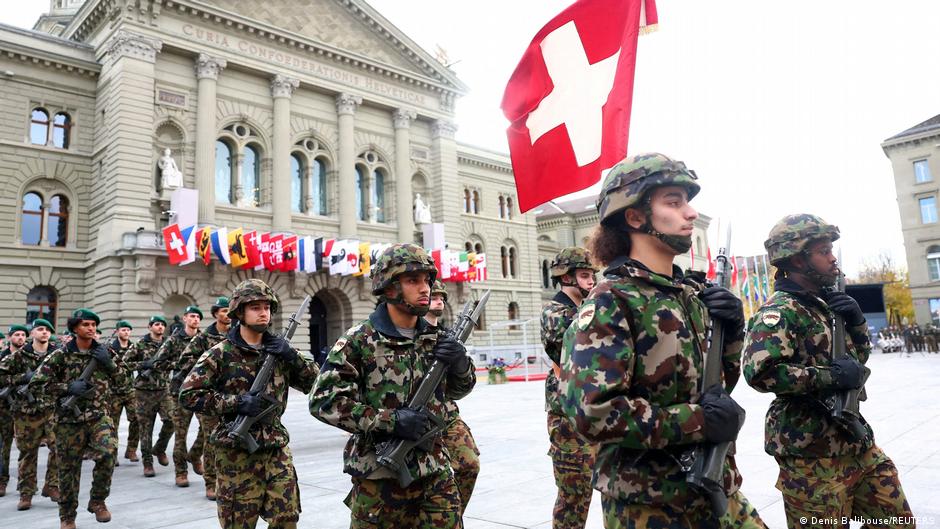
"The procession accompanying Yerusalimov's burial was marked by a military honor guard bearing the VKS flag, underscoring his close ties to Russia's aerospace military elite."
Chaiko, formerly commanding the Eastern Military District at the onset of the Ukraine conflict, has been officially accused by Kyiv of involvement in war crimes. The attack's timing and high-profile targets have raised alarms about the security of military leadership and those connected to military innovation sectors.
These events underline emerging risks for tech startups and venture capital funds operating within Russia's defense and dual-use technology landscape. Many startups in this ecosystem collaborate closely with military institutions or rely on government contracts linked to aerospace and defense capabilities.
Security breaches and targeted violence against military leaders could disrupt ongoing innovation projects and shake investor confidence. Additionally, covert operations and intelligence leaks related to these incidents may affect deal flows and complicate due diligence for venture investors focusing on Russian defense tech startups.
Industry experts warn that the opaque nature of the investigation and lack of official transparency exacerbate uncertainty in the ecosystem. The explosion and its fallout serve as a stark reminder of the geopolitical and internal security challenges impacting Russia's technology innovation environment.
As Moscow navigates this delicate period, venture capitalists and startup founders involved in military-related technologies must reassess risks and adapt strategies to mitigate potential fallout from heightened security threats and political instability.