Russia Declares Human Rights Foundation 'Undesirable,' Raising Concerns for Tech Startups and VC Ecosystem
Russian authorities blacklist US-based Human Rights Foundation, citing its democratic advocacy and impact on national image, signaling risks for innovation and funding environments.
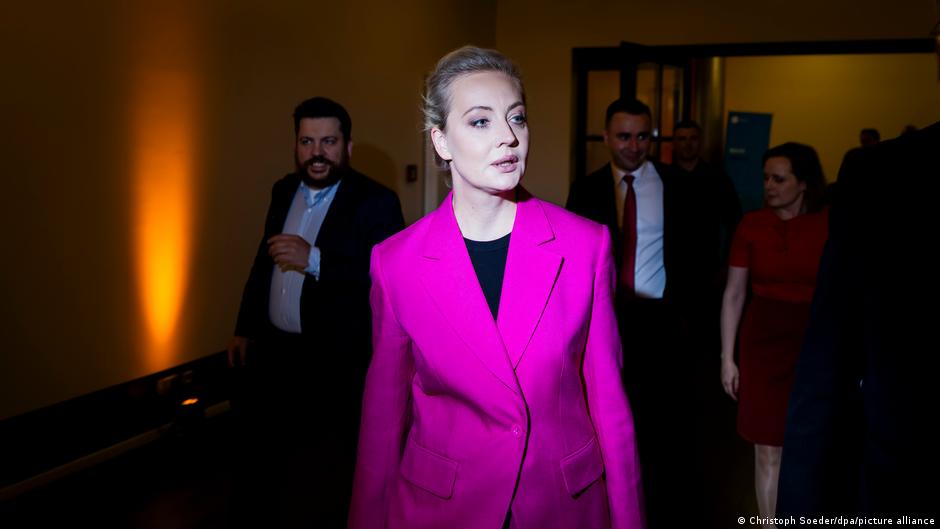
On August 6, 2024, the Russian General Prosecutor's Office officially declared the American nonprofit organization, Human Rights Foundation (HRF), as an "undesirable" entity within Russia. Founded in 2005, the HRF is known globally for its work promoting and protecting human rights. The move marks a significant geopolitical and regulatory development that may have broader implications for Russia's technology startups and venture capital ecosystem.
Background and Reasons Cited by Russian Authorities
The designation was, in part, prompted by HRF's launch of the Tyranny Tracker project—an interactive global map that evaluates countries based on their commitment to democratic values. Russia is marked on the map as a fully authoritarian state, a characterization that the Russian government views as damaging. The Prosecutor's Office also accused HRF of disseminating information that allegedly "discredits" the Russian military and supporting other organizations that have previously been banned within Russia.
In 2024, Julia Navalnaya was appointed as HRF's chair, succeeding former world chess champion and opposition figure Garry Kasparov. Navalnaya’s leadership is seen as intensifying the foundation's advocacy efforts, which appear to have triggered the latest crackdown.
"The designation of Human Rights Foundation as 'undesirable' reflects a tightening regulatory environment that could have ripple effects across Russia’s innovation and startup sectors," said an expert on Russian tech policy.
Potential Impact on Russia's Innovation and Venture Capital Landscape
This decision is more than a political gesture; it highlights the increasingly restrictive environment for organizations perceived as challenging the official narratives. For the tech and startup community, which often relies on international partnerships, access to global information flows, and foreign investment, these developments introduce new uncertainties.
Human rights organizations like HRF often contribute to fostering transparent governance and civil liberties—factors that underpin a healthy innovation ecosystem. The crackdown on HRF raises concerns about the Russian government's tolerance for critical voices, which could deter venture capitalists and international investors wary of political risks.
Additionally, the move may signal heightened scrutiny over startups and tech firms that engage with foreign entities or promote values not aligned with the state’s agenda. Such an environment can stifle innovation, reduce cross-border collaboration, and slow down the influx of venture funding critical for early-stage companies.
Investors and startup founders should closely monitor further regulatory changes and consider the implications for due diligence, compliance, and strategic partnerships within Russia.