G7 Announces New Sanctions on Russia and Plans to Supply Advanced Weapons to Ukraine
G7 countries pledge intensified sanctions targeting Russia’s oil and gas sector and increased military aid to Ukraine amid evolving conflict dynamics.
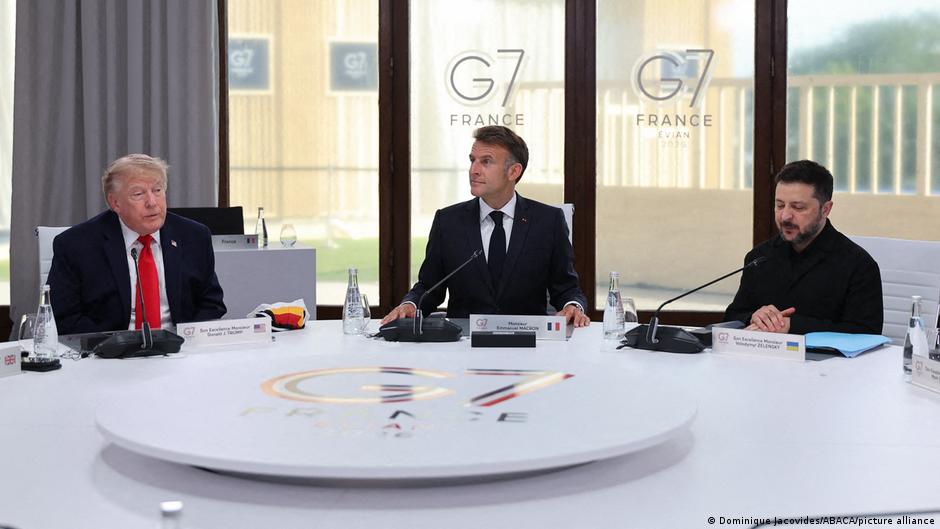
In a decisive move following the summit in Évian-les-Bains, the Group of Seven (G7) countries have committed to imposing new sanctions against Russia’s oil and gas industries, signaling an escalation in their economic pressure strategy amid the ongoing conflict in Ukraine.
Impact on Global Energy Markets and Geopolitical Stability
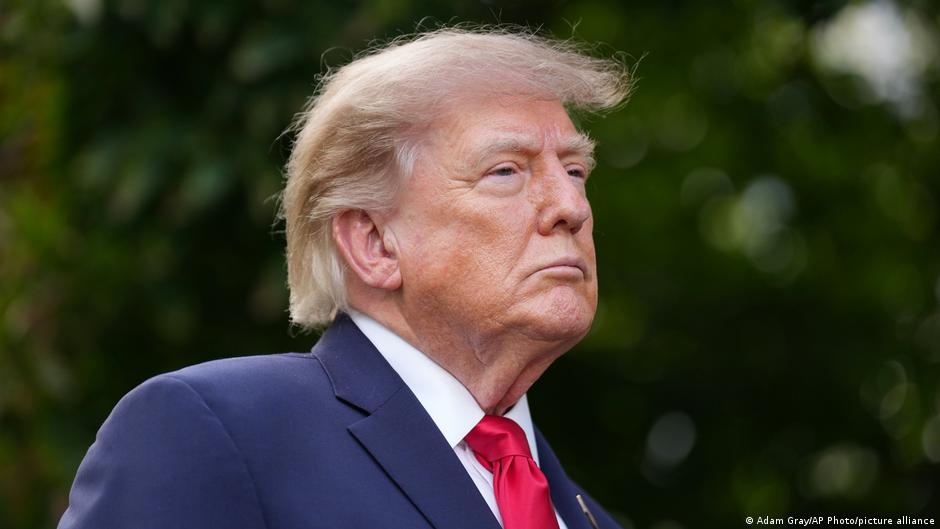
The G7’s joint statement released on the night of June 17 emphasized the timing of the sanctions as "appropriate," especially following the recent agreement by former U.S. President Donald Trump with Iran to reopen the Strait of Hormuz—a crucial global energy transit chokepoint. This development could potentially offset some disruptions in oil and gas supplies caused by the sanctions.
The economic measures are part of a broader attempt by the G7 to "strengthen pressure on Russia's military economy," with a clear focus on the hydrocarbon sector. This is expected to have cascading effects on global energy prices and prompt shifts in supply chains, creating both challenges and opportunities for energy-related startups and venture investments, particularly in alternative energy technologies.
"We commit to strengthening our sanctions, including measures targeting the oil and gas sector," the statement reads, reflecting the G7’s intent to leverage economic tools against Russia’s military capabilities.
Enhanced Military Support to Ukraine and Innovation Opportunities
Alongside sanctions, the G7 leaders pledged enhanced military support to Ukraine, including the provision of advanced air defense systems, interceptors, and long-range weaponry. This pledge reflects recognition of "new dynamics" on the ground and Ukraine’s resilience in defending its sovereignty, as highlighted in the statement.
Interestingly, the G7 also indicated the possibility of issuing licenses to increase Ukraine's domestic military production capacity. For the tech startup ecosystem, this opens avenues for innovation in defense manufacturing and could accelerate the development and scaling of locally produced defense technologies, potentially attracting venture capital interest in Ukraine’s emerging defense tech sector.
Furthermore, continuous support in energy infrastructure is planned to help Ukraine withstand the upcoming winter, which may fuel demand for innovative energy solutions and startups specializing in resilient infrastructure and smart energy management.
Broader Implications for Venture Capital and Tech Ecosystems
Germany, the United States, the United Kingdom, France, Italy, Japan, and Canada—the G7 members—are collectively shaping a complex environment where geopolitical risks intersect with opportunities for technological advancement and investment. As sanctions reshape supply chains and military aid accelerates defense innovation, venture capital funds might increasingly prioritize startups developing alternative energy technologies, defense-related innovations, and critical infrastructure resilience solutions.
This strategic shift underscores the intertwined nature of geopolitics and technological ecosystems, where global policy decisions directly influence funding landscapes and startup growth trajectories.