German and US Foreign Ministers Meet to Strengthen Transatlantic Partnership Amid Global Crises
The meeting underscores the indispensable US-Germany partnership and highlights ongoing discussions on NATO contributions and support for Ukraine.
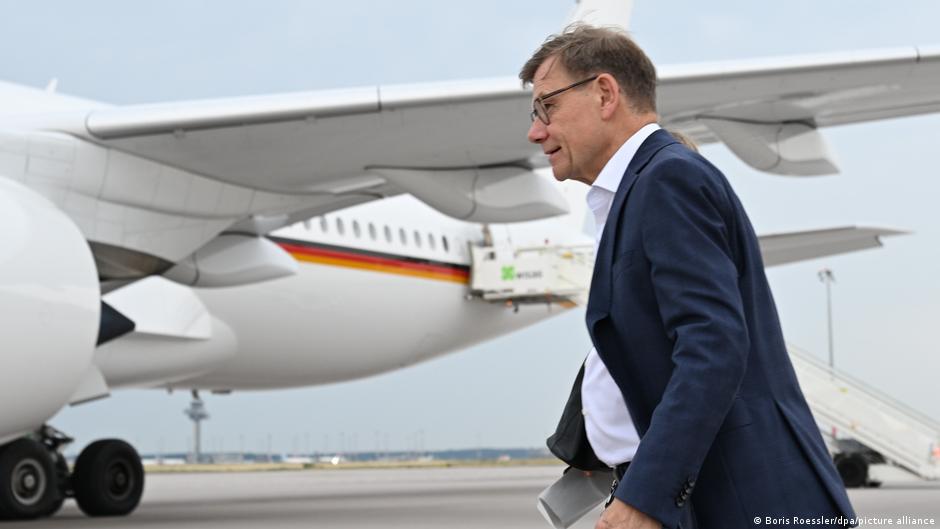
On June 29, German Foreign Minister Johann Wadephul and US Secretary of State Marco Rubio convened in Washington to discuss critical issues affecting global stability and transatlantic relations. Wadephul emphasized the essential nature of the partnership between Germany and the United States, particularly in a period marked by multiple crises undermining economic and geopolitical stability.
Implications for Tech Startups and Venture Capital
While the meeting primarily addressed geopolitical and security concerns, the reaffirmation of the US-German alliance holds significant potential implications for the technology and startup sectors on both sides of the Atlantic. Stability and reliable cooperation between these major economies are fundamental to maintaining investor confidence, enabling venture capital flows, and fostering innovation ecosystems.
Wadephul highlighted that "numerous crises threaten to drive a wedge even between close partners," underscoring the fragility of current global conditions. For startups and venture capital firms, geopolitical instability often translates into funding volatility and supply chain disruptions, particularly in tech sectors reliant on international collaboration.
Furthermore, the talks preceding the NATO summit aimed to discuss the repartition of military and financial contributions among US and allied countries. Such discussions are crucial for determining the long-term security environment that directly affects the risk assessments of investors and the sustainability of tech innovation hubs in Europe and the US.
"Our partnership with the United States is indispensable—especially in a period of profound change," Wadephul stated, signaling a commitment to maintaining close ties that could stabilize and encourage cross-border startup investments.
Another noteworthy aspect of the meeting was the confirmation that representatives from Washington and Tehran are set to resume negotiations on June 30 in Doha, focused on maintaining a ceasefire agreement. Although this is a diplomatic development, its successful advancement would likely reduce uncertainties in global markets, positively influencing emerging tech ecosystems dependent on stable international relations.
Beyond Washington, Wadephul's itinerary includes attending the Mercosur summit in Paraguay, followed by visits to Argentina and Brazil. These engagements highlight Germany's interest in strengthening economic ties with Latin America, a region witnessing growing startup activity and increasing venture capital momentum. Enhanced bilateral relations may lead to increased investment and collaboration opportunities for tech startups in these emerging markets.
Overall, the meeting between the German and US foreign ministers represents a reaffirmation of transatlantic cooperation that is critical not only for geopolitical stability but also for fostering a vibrant innovation ecosystem. For venture capitalists and tech entrepreneurs, such political stability and cross-border partnership are vital enablers of sustained growth and technological advancement.