US Imposes Up to 100% Tariffs on Drone Imports to Strengthen Domestic Tech Sector
New tariffs target imported drones and components, aiming to boost US drone manufacturing and address national security concerns.
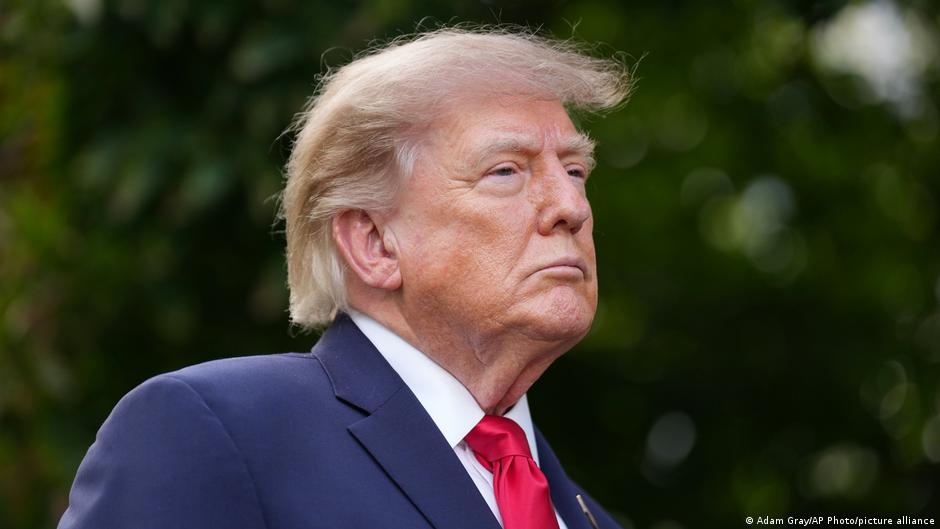
On August 13, US President Donald Trump signed a proclamation imposing tariffs on the import of drones and their critical components. The tariffs, announced by the White House, aim to protect national security and stimulate domestic production in the rapidly growing drone technology sector.
Tariff Structure and National Security Rationale
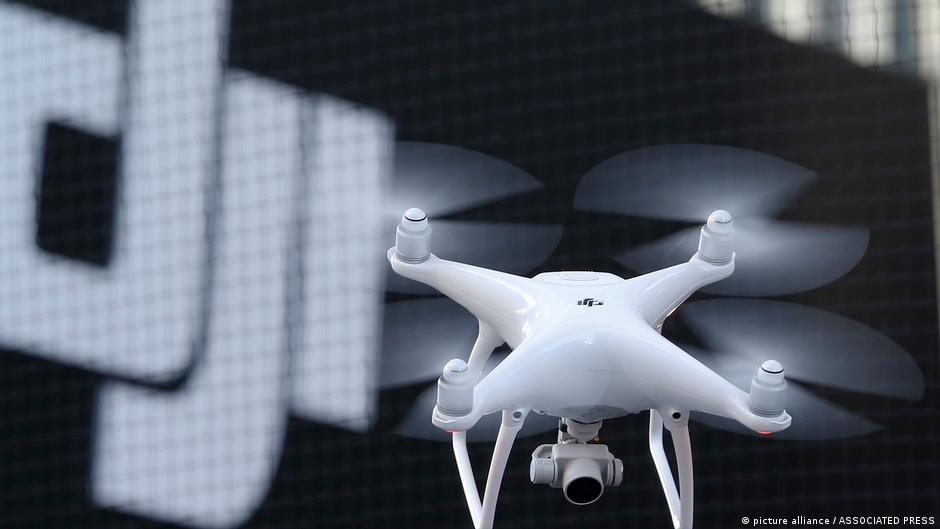
The most significant tariff—100% of the drone’s value—will apply to drones with a maximum takeoff weight exceeding 25 kilograms that are equipped with thermal imaging capabilities. Additionally, docking stations and certain essential components vital to these drones will also face this tariff.
For drones weighing 25 kilograms or less, the tariff will be set at 25%. Meanwhile, imports from countries including the European Union, Japan, South Korea, Switzerland, Taiwan, and Liechtenstein will be subject to a reduced tariff rate of 15%, with the United Kingdom’s imports facing a 10% tariff.
These tariffs will take effect 21 days after the proclamation’s signing. Non-critical drone components deemed less important to national security will see tariffs implemented after a 180-day grace period.
"Drones are a key technology in modern armed conflicts and vital to current and future US military operations. Reliance on foreign suppliers for critical components poses substantial national security and cybersecurity risks," the White House statement explained.
The move directly addresses the United States’ dependence on foreign, particularly Chinese, drone technology and components, which have dominated the global drone manufacturing market.
Implications for Tech Startups and the Innovation Ecosystem
The drone industry represents a fast-evolving segment of the tech startup ecosystem with significant venture capital interest. By imposing these tariffs, the US government is signaling a push to cultivate domestic manufacturing capabilities, creating new opportunities for startups focused on drone hardware and software innovation.
However, these tariffs could also introduce challenges for startups relying on imported components, potentially increasing costs and complicating supply chains. VC-backed drone companies may need to reassess supplier strategies or accelerate in-house component development to mitigate these impacts.
Moreover, the policy aligns with a broader trend of reshoring critical technology manufacturing to secure supply chains and intellectual property, which could attract increased venture capital funding into US-based drone and defense technology startups.
As geopolitical tensions heighten and national security concerns continue to influence tech policy, this tariff move underscores the growing intersection between innovation ecosystems and defense priorities.
Industry observers note that while tariffs can increase short-term production costs, they may incentivize long-term investments in domestic R&D and manufacturing capabilities, ultimately strengthening the US position in the global drone market.
Furthermore, reports have highlighted risks linked to Chinese-made drone components, including incidents where UK naval reconnaissance drones reportedly transmitted data to China and the discovery of Chinese drone supply chains funneling products through third countries to Russia. These factors have likely contributed to the urgency behind the tariffs.