German Government Grants Asylum to Russian Anti-War Activist After Prolonged Legal Battle
Ilya Shkolny, a Russian anti-war activist and former political volunteer, secures asylum in Germany after multiple rejections and public advocacy efforts.
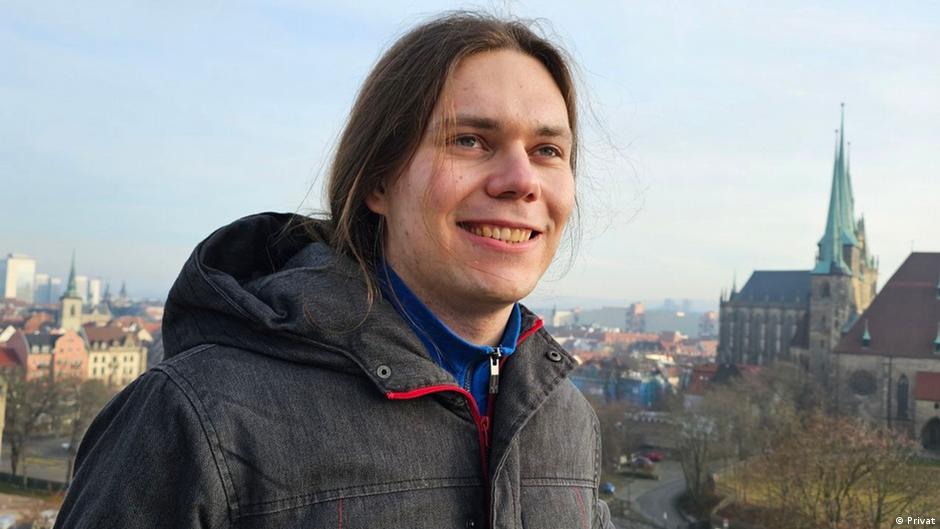
The German government has reversed its previous decisions and granted asylum to Russian anti-war activist Ilya Shkolny, who narrowly avoided deportation in April 2026. This decision marks the end of a three-year legal struggle supported by human rights defenders and illustrates the complex challenges faced by politically active refugees amid ongoing geopolitical tensions.
Activism and Asylum Challenges
Ilya Shkolny’s journey to asylum in Germany highlights the intersection of political activism and migration policies impacting tech and innovation ecosystems in Europe. Shkolny volunteered with Alexei Navalny’s political campaign from 2017 to 2018 and participated in the "Smart Voting" campaign in 2021. He also monitored Russian elections as part of the "Golos" movement and held a leadership position in the Libertarian Party’s Moscow committee.
In June 2022, Shkolny arrived in Germany on a 90-day visa designed for binational couples to be with his German girlfriend, Ansuela Baldemair, whom he later married. He sought refuge in Germany to avoid returning to Russia amid the full-scale invasion of Ukraine and increasing political repression at home.
After applying for asylum, Shkolny faced two refusals by the Federal Office for Migration and Refugees (BAMF). Despite his documented political involvement and a summons to military service in Russia, BAMF initially determined that the risk of conscription and political persecution was insufficient grounds for asylum. His subsequent appeal citing worsening conditions in Russia—including new repressive laws and stricter military conscription rules—was also rejected.
“The German authorities initially underestimated the political risks I faced in Russia, highlighting the challenges activists encounter when seeking protection under current asylum frameworks,” said a representative of the inTransit project supporting Shkolny.
Legal appeals and petitions gained significant public attention, with support from Bundestag members, students, and faculty at Bayreuth University, where Shkolny was enrolled. An online petition launched in March 2026 accumulated nearly 2,500 signatures advocating for his right to remain legally in Germany.
Implications for Political Refugees and Innovation Ecosystem
Shkolny’s case underscores the broader implications for politically active tech professionals and startup founders facing repression. Germany’s eventual recognition of his asylum claim reflects growing sensitivity toward activists fleeing authoritarian environments, which could influence future policies affecting foreign talent mobility.
For the venture capital and tech startup sectors, such developments highlight the importance of legal protections for innovators and activists who contribute to democratic and innovation ecosystems. Ensuring safe environments for politically engaged individuals can foster more diverse and resilient tech communities, vital for regional competitiveness.
Moreover, the public advocacy and institutional support backing Shkolny illustrate how civil society and academia can influence migration policy decisions. This dynamic is relevant for startups and VCs operating in global markets, where geopolitical factors increasingly shape talent flows and investment decisions.
In summary, the granting of asylum to Ilya Shkolny not only represents a personal victory but also signals a potential shift in Germany’s approach to politically persecuted migrants. It shows the complex interplay between political activism, migration policy, and the innovation environment in Europe.