Germany Accelerates Development of Long-Range Weapon Systems Amid Russia Threat
German government speeds up own long-range missile projects after US declines to deploy Tomahawks, aiming to strengthen Europe's defense and innovation ecosystem.
Germany is fast-tracking the development of its own long-range missile systems in response to the perceived threat posed by Russian Iskander missile deployments in Kaliningrad and other regions, officials announced following the United States' refusal to station Tomahawk cruise missiles in the country.
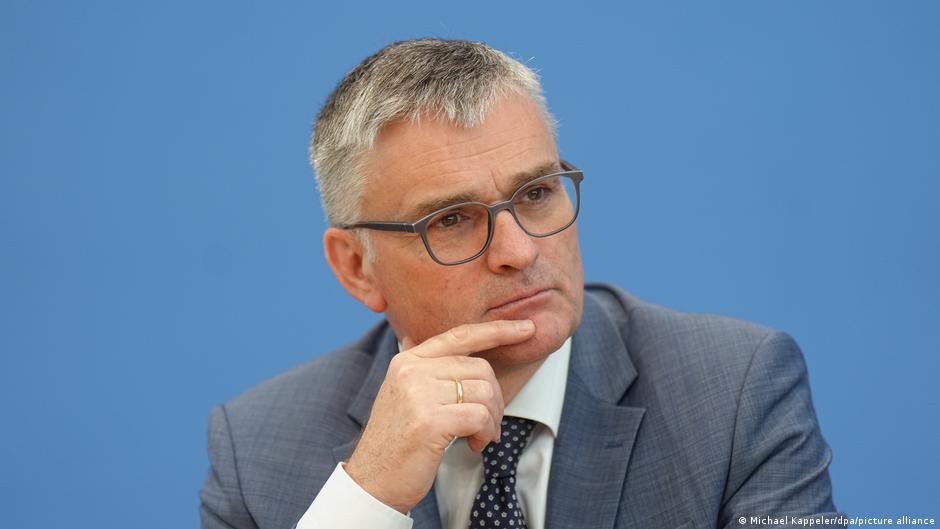
At a press briefing in Berlin on May 4, government spokesperson Stefan Kornelius emphasized the imperative to avoid a deterrence gap after the US decision to withhold Tomahawk missiles, stating, "We need to focus now on accelerating our development of indigenous systems." The original plan to host US Tomahawks was always a temporary solution, he added.
European Collaboration on Next-Generation Missile Programs
Germany, together with European partners, has been collaborating on the European Long-Range Strike Approach (ELSA), a joint program aimed at developing advanced, high-precision long-range weapons including drones. This initiative directly responds to Russia's military modernization, particularly the deployment of its Iskander missile systems, which pose a strategic threat to European security.
"The deployment of Iskanders in Kaliningrad and elsewhere threatens Europe, which we aim to counter with this defensive strategy," said Kornelius.
Efforts to strengthen deterrence are being undertaken comprehensively at national, European, and NATO levels. The German Ministry of Defense also disclosed ongoing modernization of the domestic Taurus cruise missile as part of the broader enhancement of the country’s strike capabilities.
Chancellor Friedrich Merz confirmed on May 3 that the US will not station Tomahawk missiles with ranges up to 2,500 kilometers in Germany, as these remain needed by the US military. This decision follows a 2024 agreement between then-US President Joe Biden and then-German Chancellor Olaf Scholz, who had intended the missile deployment as a deterrence signal amid Russia’s invasion of Ukraine.
Concerns remain about Russia potentially achieving sufficient military capability by 2029 to threaten NATO members directly, reinforcing the urgency of European indigenous defense innovations.
Implications for Tech Startups and Venture Capital in Defense Innovation
Germany’s pivot to accelerate independent missile system development presents significant opportunities and challenges for the tech startup and venture capital landscape in Europe. The demand for cutting-edge military technologies, including precision-guided munitions and autonomous drone systems, can catalyze investment flows into the defense tech sector.
Collaborative programs like ELSA are likely to stimulate innovation ecosystems across multiple European countries, encouraging cross-border R&D partnerships, spin-offs, and startups specializing in aerospace, robotics, AI, and advanced materials.
Furthermore, calls from prominent conservative politicians such as Bundestag member Roderich Kiesewetter for increased defense tech cooperation with Ukraine could open new avenues for joint ventures and technology transfer, fostering an expanded innovation network beyond traditional European defense contractors.
"The shortage of American medium-range systems directly impacts European security," Kiesewetter said, urging urgent development of alternative systems possibly in collaboration with Ukraine to have operational capabilities by 2030. This political momentum suggests increased government and private sector funding aligned with strategic security priorities.
Defense startups focusing on missile guidance, propulsion, and AI-enabled targeting systems could attract greater venture capital interest as Germany and Europe seek to reduce reliance on US defense hardware and bolster their sovereign capabilities.
Simultaneously, the German government’s emphasis on modernizing existing platforms such as the TAURUS missile indicates a mixed approach of upgrading proven technologies while investing in next-generation capabilities, providing a diverse innovation pipeline for startups and established defense firms.
As Europe strengthens its strategic autonomy, the intersection of government policy, military needs, and venture capital could reshape the continent’s defense tech landscape and accelerate the emergence of new players in this high-stakes sector.