Germany to Transfer Gas-Fired Power Plant to Ukraine, Boosting Energy Infrastructure Amid Geopolitical Shifts
Germany plans to hand over a gas-fired power plant formerly serving Nord Stream to Ukraine as humanitarian aid, impacting energy and industrial tech sectors.
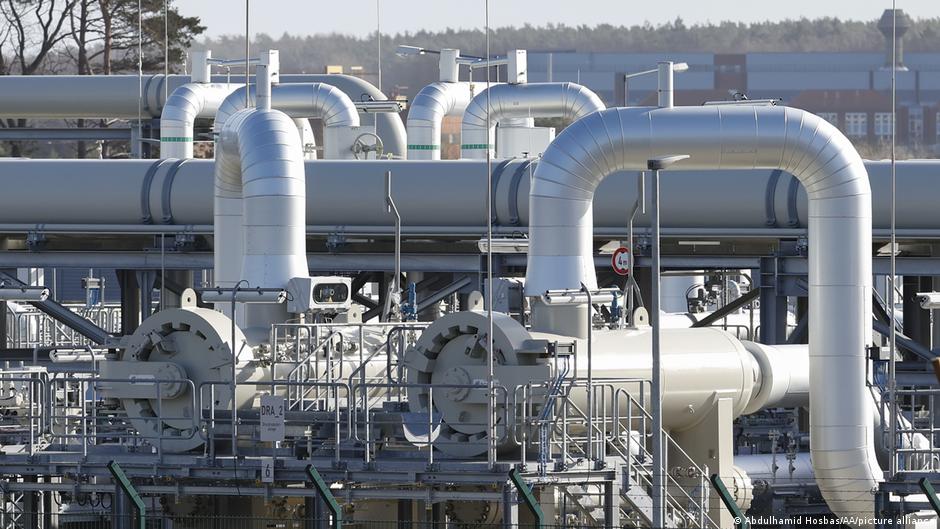
In a move reflecting shifting geopolitical and energy landscapes, Germany announced plans to transfer a gas-fired combined heat and power plant (CHP) to Ukraine. The plant, which previously supported the Nord Stream gas pipeline, will be handed over on a self-pickup basis as part of humanitarian aid efforts, according to German energy firm Sefe Securing Energy for Europe (formerly a Gazprom subsidiary).
Strategic Asset Transfer Amid Energy Transition and Conflict
The power station, located in Lubmin near Greifswald, is owned by Industriekraftwerk Greifswald GmbH (IKG). It was primarily used to generate process heat and electricity to facilitate the operation of Russian gas deliveries into Germany’s gas transport network via Nord Stream.
With a capacity of approximately 84 megawatts (MW) of combined heat and power, this facility played a critical role in the regional energy infrastructure until the summer of 2022. Following Russia’s decision to reduce and then fully halt natural gas supplies through the Nord Stream pipeline, and subsequent physical damages to both Nord Stream 1 and the never-operational Nord Stream 2 pipelines caused by explosions, Germany announced its exit from Russian gas imports altogether.
As a consequence, the economic viability of the plant collapsed, especially after the cessation of gas flows in September 2022. Without alternative consumers requiring the station’s heat output, operations were fully suspended in 2023.
Efforts to find a buyer for the facility proved unsuccessful. Sefe, the major shareholder of IKG, emphasized that transferring the plant to Ukraine’s electricity operators constitutes a pragmatic solution. It avoids the costs related to dismantling or decommissioning and supports Ukraine’s energy infrastructure, which has been severely impacted by ongoing conflict.
"This transaction is economically sensible while simultaneously contributing to the strengthening of Ukraine’s energy infrastructure," stated Sefe representatives.
Implications for Tech Startups and Innovation Ecosystem
For the venture capital and startup ecosystem, this transfer signals increased opportunities and challenges within Eastern Europe’s energy and industrial technology sectors. Ukraine’s acquisition of this power plant could catalyze modernization and innovation in energy infrastructure, potentially opening doors for technology startups specializing in energy efficiency, grid management, and renewable integration.
Moreover, the repurposing of legacy energy assets amid geopolitical tensions highlights evolving dynamics in energy tech investments. Startups and investors focusing on decentralized energy solutions, resilient infrastructure, and transitional fuel technologies may find new use cases and market demand emerging from Ukraine’s urgent infrastructural needs.
At the same time, the deal underscores the importance of adaptive business models and cross-border collaboration in the energy sector, where venture capital investment can drive scalable impact by supporting the modernization of critical infrastructure under challenging conditions.
As Germany pivots away from fossil fuel imports from Russia, and Ukraine seeks to rebuild and fortify its energy systems, this plant transfer illustrates a tangible intersection of geopolitical strategy and technology-driven infrastructure development.