Renewed Iran Missile and Drone Strikes on UAE Heighten Geopolitical Risks for Tech Startups
Iran’s first missile and drone attacks on UAE since US-Iran truce signal rising regional tensions impacting startup ecosystem and VC investments.
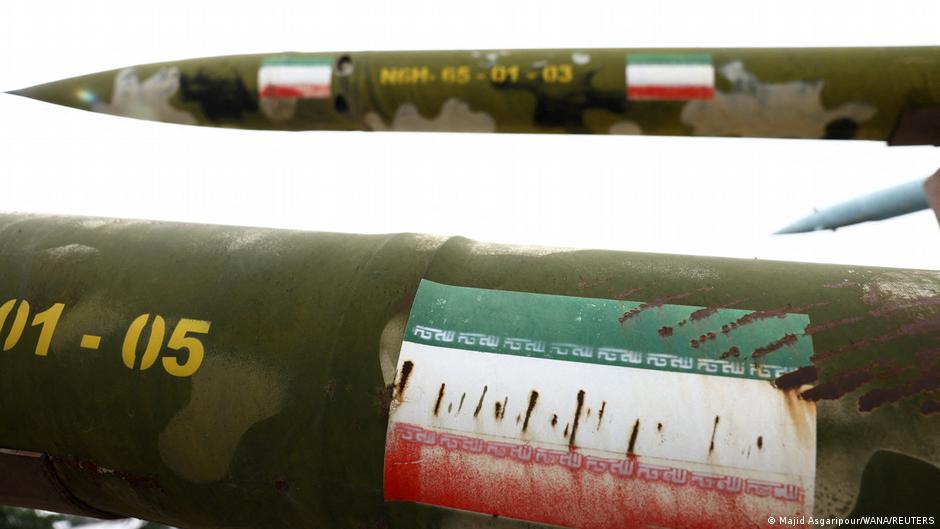
In a significant escalation, Iran launched a series of missile and drone attacks on the United Arab Emirates (UAE), marking the first such offensive since a recent US-Iran ceasefire agreement. The strikes, involving 12 ballistic missiles, three cruise missiles, and four drones, were intercepted by UAE’s air defense forces, according to the Ministry of Defense.
The attacks targeted the Fujairah oil complex area, causing a fire and injuring three Indian nationals who were hospitalized. In response, UAE authorities transitioned schools to online learning from May 5 to 8 as a precautionary measure.
Impact on Tech Startups and Investment Climate
The resurgence of hostilities in the Gulf region introduces uncertainty to the thriving tech startup ecosystem concentrated in the UAE, particularly in hubs like Dubai and Abu Dhabi. The heightened security risks threaten to disrupt supply chains and increase operational costs for startups reliant on regional stability and international trade routes.
Venture capital (VC) firms and international investors closely monitoring geopolitical developments may adopt a more cautious approach toward funding rounds and new investments in the region. The instability could delay mergers and acquisitions (M&A) activities, as buyers and sellers reassess risk profiles amidst escalating tensions.
"The UAE remains committed to innovation, but renewed conflict poses real challenges for startups seeking growth capital and partnerships," said a regional VC analyst.
Moreover, the attacks have implications for the broader innovation ecosystem, including potential delays in infrastructure projects and challenges in retaining foreign talent amid safety concerns. The incident underscores the vulnerability of Middle Eastern tech hubs to geopolitical shocks.
UAE’s Ministry of Foreign Affairs condemned the strikes as a "dangerous escalation," affirming the country’s right to respond. Meanwhile, Iranian state media claimed there were "no plans" to attack the UAE, reflecting the complex narrative surrounding the incident.
On the diplomatic front, Germany’s Chancellor Friedrich Merz expressed solidarity with the UAE and called for Iran to return to negotiations, emphasizing the need to end threats that jeopardize regional and global stability. The renewed attacks complicate efforts to sustain peace and may influence international policies affecting regional investments.
The attacks also coincide with the United States announcing Project Freedom, an initiative to escort ships through the strategically vital Strait of Hormuz, a key maritime route for global energy supplies. Iran has warned that such moves could be seen as violations of the ceasefire.
As the geopolitical landscape shifts, tech startups and investors in the UAE and neighboring countries will need to navigate increased uncertainty. Strategic risk management and diversification may become critical for sustaining growth and innovation in this volatile environment.