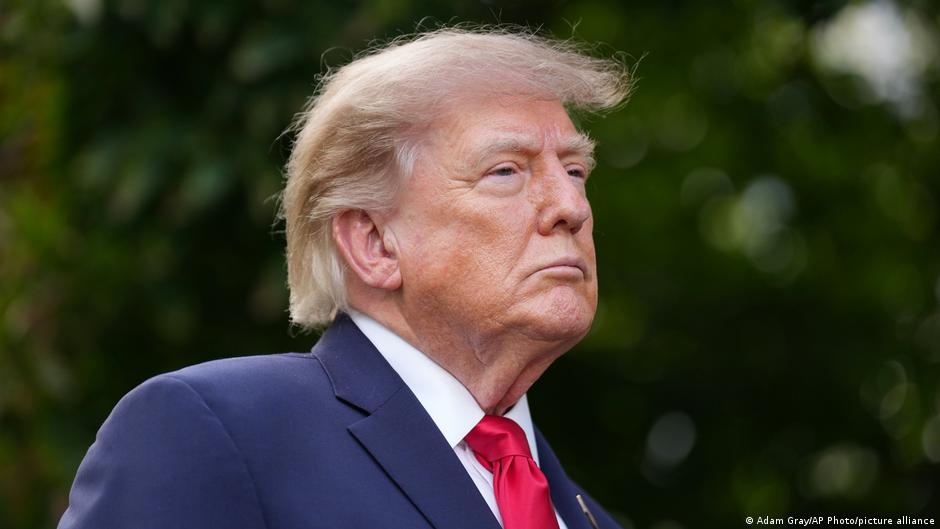
Hungarian Parliament Limits Prime Minister Terms, Impacting Political Stability in Innovation Ecosystem
Hungary’s new constitutional amendment restricts prime ministerial terms to two four-year periods, barring ex-PM Viktor Orbán's return.
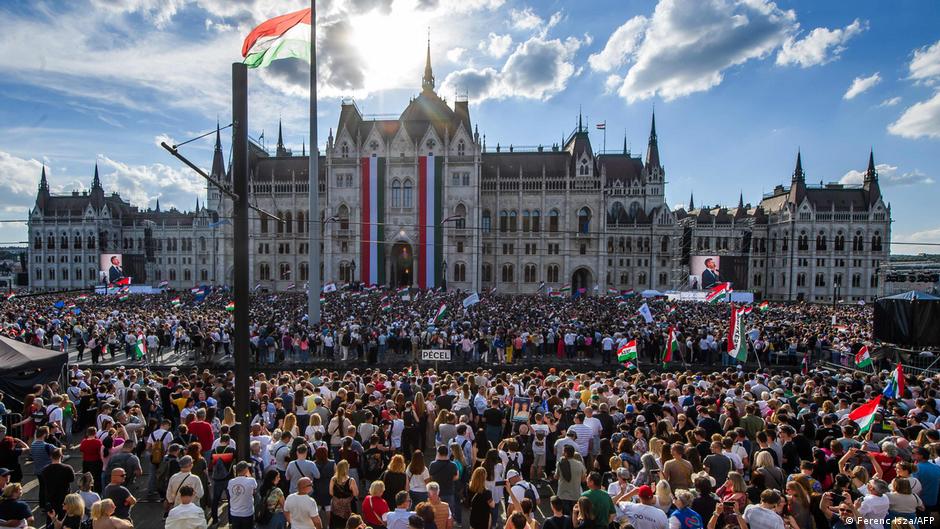
In a significant political restructuring, the Hungarian parliament has passed constitutional amendments limiting the tenure of the prime minister to two terms of four years each. This move effectively bars former Prime Minister Viktor Orbán from returning to office, as he has already served five terms.
The amendment, approved on June 15 by a majority of 134 votes in the 199-member assembly, with 50 against and six abstentions, applies retroactively to anyone who has held the prime ministerial post since 1990. This legislative change aligns with the pre-election promises of current Prime Minister Péter Magyar, who assumed office following the parliamentary elections on April 12.
Implications for Hungary's Political and Innovation Landscape
Prime Minister Magyar stated that the term limits aim to prevent excessive concentration of power in a single individual’s hands, a measure seen as a step towards enhancing democratic governance. For the tech startup and venture capital sectors, this political stabilization could have nuanced effects.
Orbán’s long tenure was marked by a centralized governance style that influenced economic policies and regulatory frameworks affecting startups and investors. While predictability in leadership can foster a stable investment climate, frequent leadership changes might introduce policy uncertainties. However, limiting political dominance might encourage more diverse policymaking and potentially foster innovation-friendly reforms.
"Limiting the prime minister’s terms could open doors for a more dynamic political environment, which may translate into diversified support for tech innovation and venture capital expansion in Hungary," analysts suggest.
The amendment was supported by Péter Magyar's party, Tisa, and opposed by Orbán’s Fidesz party, reflecting divergent visions for Hungary’s future political and economic trajectory.
For venture capitalists and startups operating in Hungary, the evolving political landscape demands close monitoring. The regulatory environment, government incentives, and international partnerships that have shaped the Hungarian innovation ecosystem under Orbán's leadership may undergo adjustments under the new administration. Investors and entrepreneurs alike should prepare for potential shifts in policy that could impact funding availability, startup growth, and M&A activities.
Ultimately, this constitutional change signals a pivotal moment in Hungary’s governance, with possible ripple effects across its tech and startup sectors as the country navigates a new era of political leadership.