Iran Replenishes Missile Stockpile with Possible Russian Support Amid Ongoing Conflict
Iran reportedly restored much of its missile arsenal during ceasefire, potentially receiving new weapons from Russia, impacting regional security and defense tech dynamics.
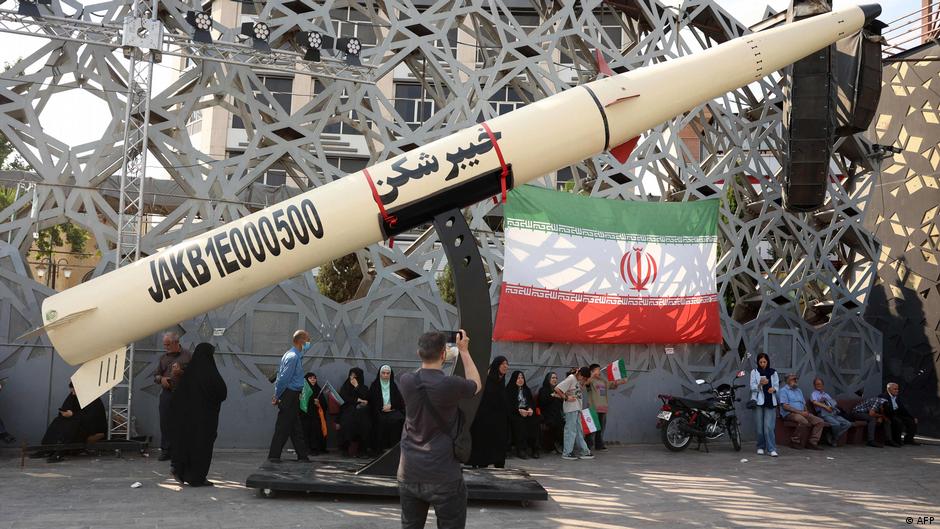
According to intelligence sources cited by Bloomberg, Iran has managed to restore its missile stockpile to about three-quarters of its pre-conflict levels despite ongoing hostilities. The report suggests that Russia may have supplied Iran with new missile systems during a recent ceasefire with the United States, potentially altering the military balance in the region.
Strategic Weapon Restocking and Its Implications for Defense Innovation
The eight-week ceasefire between Iran and the US provided Tehran with a critical window to replenish its missile arsenal and introduce new weaponry. Bloomberg's unnamed Western intelligence sources indicate that Iran now possesses a missile stockpile sufficient to deliver a nearly full retaliatory strike if hostilities resume.
Among the replenished supplies are reportedly missiles of Russian manufacture, likely produced within the past year. While neither the Russian Ministry of Defense nor official Russian channels have commented on these claims, the intelligence report raises questions about Russia’s role in sustaining Iran’s military capabilities amid international tensions.
"Iran used the ceasefire period to not only restore but also upgrade its missile arsenal, incorporating new Russian-made systems to maintain deterrence."
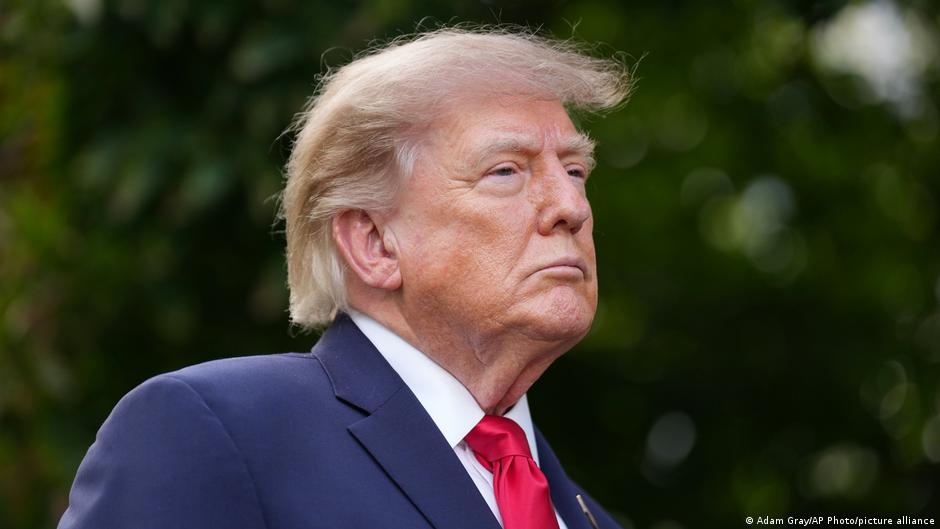
Earlier in June, US President Donald Trump claimed that Iran had only 21-22% of its missile stockpile remaining after extensive US and Israeli strikes. However, intelligence assessments during the peak of conflict in March suggested Iran retained about 60% of its pre-war missile capacity, indicating substantial recovery in recent weeks.
Damage assessments reveal that many ballistic missiles and launchers were buried under debris in underground storage facilities. Analysts believe Iran capitalized on the ceasefire to clear access to these caches and redistribute armaments to other secured locations, underscoring the resilience of its indigenous weapons production and storage strategies.
Experts also highlight the difficulty of completely halting Iranian production of Shahed drones, widely used in recent attacks and viewed as a cost-effective complement to missile systems. Kelly Grice, senior fellow at the Washington-based Stimson Center, notes that the persistence of drone manufacturing challenges US efforts to fully neutralize Iran’s aerial strike capabilities.
The evolving military supply dynamics have broader implications for the regional defense technology ecosystem. The possible involvement of Russia in transferring modern missile systems to Iran signals a tightening strategic partnership that could influence arms trade patterns, startup innovation in military tech, and venture capital flows targeting defense startups across allied nations.
Furthermore, the continued conflict and fluctuating ceasefires create both risks and opportunities for emerging companies specializing in missile defense, drone countermeasures, and surveillance technologies. These startups may find increased demand for innovations that address the shifting capabilities of state actors like Iran and Russia.
On the diplomatic front, US-Iran peace negotiations remain uncertain. Despite President Trump’s announcement of a planned agreement coinciding with his 80th birthday on June 14, Iranian officials have dismissed any imminent signing. The protracted and often contradictory statements from both sides add complexity to projections about conflict resolution and its impact on defense market stability.
In sum, the reported restoration of Iran’s missile arsenal with potential Russian assistance underscores a complex interplay between geopolitical conflict, military innovation, and the evolving defense technology sector. Venture investors and startups in this arena should closely monitor these developments as they may shape future funding priorities and collaborative opportunities within the global security technology landscape.