Israeli Navy Detains Humanitarian Flotilla En Route to Gaza Amid Ongoing Blockade
Israeli forces have intercepted vessels carrying humanitarian aid to Gaza, impacting regional efforts to establish a sustained aid corridor amid political complexities.
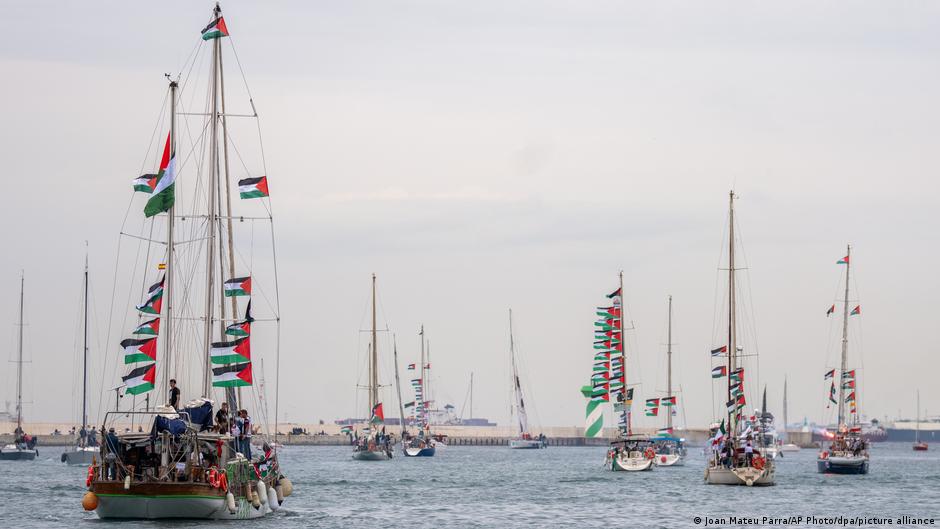
On April 30, the Israeli Navy detained several ships belonging to the Global Sumud Flotilla, a humanitarian mission attempting to deliver aid to the Gaza Strip. The flotilla, which had departed from a Sicilian port on April 26, was heading towards Gaza when contact was lost with the vessels, prompting distress signals.
According to the Global Sumud Flotilla organization, some of the detained ships will be towed to the Israeli port of Ashdod. The group confirmed that the Israeli military is currently enforcing a maritime blockade on Gaza, a blockade in place since 2007 and supported by Egypt.
Implications for Humanitarian Aid and Regional Stability
The Global Sumud Flotilla's mission represented one of the largest attempts to breach the naval blockade imposed on Gaza in order to deliver humanitarian assistance. The activists' declared objective was not only to bring immediate aid but also to catalyze the creation of a permanent humanitarian corridor to support Gaza's population.
"The current Israeli maritime blockade on Gaza severely restricts the delivery of essential supplies, making efforts to open a humanitarian corridor critical for the region's future," said representatives of the flotilla.
Notably, in August 2025, renowned Swedish environmental activist Greta Thunberg confirmed her participation in a similar humanitarian flotilla organized by the same group. Participants emphasized their goal of delivering aid and establishing a reliable humanitarian passage to Gaza.
The maritime blockade and restrictions have significant humanitarian and economic ramifications for Gaza, directly affecting its innovation ecosystem and startup environment. The blockade limits the import of technology, equipment, and investment, stifling the growth of local tech startups and dampening investor confidence in the region.
Broader Geopolitical Context and Impact on Innovation Ecosystem
The detention of the flotilla comes after a series of political developments: in October 2025, Israel and Hamas agreed to a ceasefire under a peace plan mediated by the United States. The plan involved phased measures, including the management of Gaza by a National Committee before transitioning control to the Palestinian National Authority.
While the ceasefire brought hope for stability, continued enforcement of the naval blockade constrains economic activity and international aid flows, critical components for the development of a resilient tech ecosystem in Gaza. Venture capital and startup activities hinge on access to resources, including hardware, software, and human capital mobility, all limited by the blockade.
Furthermore, the challenges of delivering humanitarian aid underscore the complexities startups face in conflict-affected zones. The blockade and ongoing hostilities hinder not only immediate survival but also long-term economic innovation and growth opportunities.
For venture capitalists and entrepreneurs, the situation highlights the broader risks of operating in geopolitically sensitive regions. It also accentuates the need for innovative frameworks to support startups in conflict zones, potentially through remote funding, decentralized technologies, and international partnerships that can navigate or mitigate such restrictions.
As the humanitarian situation evolves, the international community’s response, including the status of the maritime blockade and aid corridors, will be crucial to shaping Gaza's future economic and technological landscape.