Italy and Germany Condemn Israel’s Halt of Gaza Aid Flotilla Amid Rising Regional Tensions
European powers urge adherence to international law following Israel’s interception of humanitarian vessels bound for Gaza.
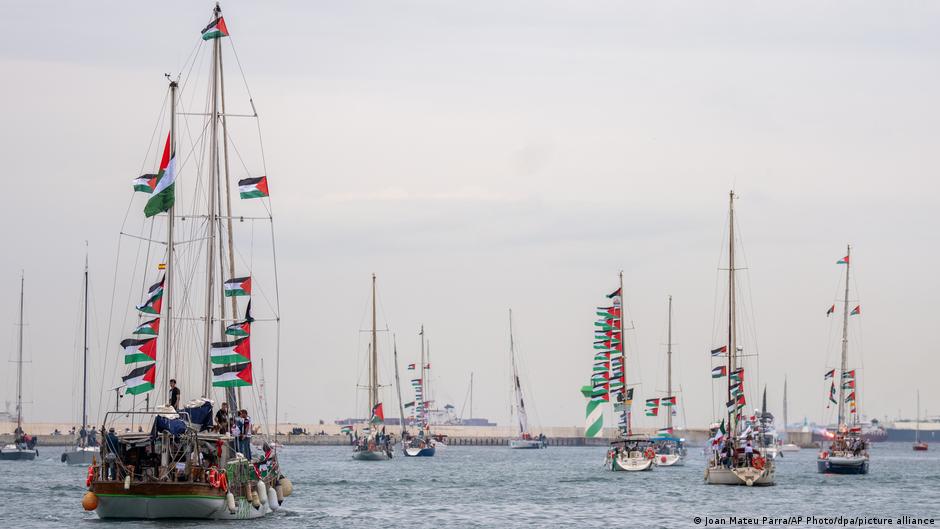
Italy and Germany have expressed serious concern over Israel’s interception of a humanitarian aid flotilla en route to the Gaza Strip, emphasizing the importance of strict compliance with international law and warning against reckless actions that could further destabilize the region.
Impact on Regional Stability and Humanitarian Efforts
The joint statement issued on April 30 by the foreign ministries of Italy and Germany condemns Israel’s actions in international waters near the Greek island of Crete, where Israeli naval forces stopped more than 20 vessels from the Global Sumud Flotilla and detained dozens of activists. The flotilla was carrying humanitarian aid intended for Gaza, a region under a maritime blockade imposed by Israel since 2007 and supported by Egypt.
“We call for the unconditional respect of existing international law and a rejection of irresponsible behavior,” the statement said, reaffirming the two countries’ commitment to humanitarian assistance in accordance with legal standards.
Following the interception, some ships continued along the coast of Crete within Greek territorial waters, though the flotilla organizers have not announced their next steps. The incident marks the latest escalation in efforts by pro-Palestinian activists to challenge the blockade and deliver aid to Gaza, which remains one of the most densely populated and economically challenged areas in the world.
On April 26, the flotilla set sail from a Sicilian port with what organizers described as the largest convoy ever aiming to reach Gaza. The Global Sumud Flotilla’s stated goal is not only to provide humanitarian relief but also to establish a permanent humanitarian corridor into Gaza, addressing severe shortages of essential supplies.
Notably, the flotilla has drawn international attention due to the involvement of prominent activists such as Swedish environmentalist Greta Thunberg, who confirmed her participation in the August 2025 mission. Thunberg highlighted the mission’s objective to open a humanitarian corridor to facilitate ongoing aid deliveries.
Broader Geopolitical Context and Potential Implications for Innovation Ecosystems
The flotilla’s interception comes against a backdrop of fragile ceasefire agreements and complex geopolitical negotiations involving Israel, Hamas, and multiple international stakeholders. In October 2025, Israel and Hamas agreed to a ceasefire brokered under a U.S.-led peace plan, with guarantees from the United States, Turkey, Qatar, and Egypt. The plan included phased de-escalation and prisoner exchanges.
Meanwhile, the U.S. administration announced in January a second phase of the plan to stabilize Gaza, involving the establishment of a National Committee to govern the region temporarily until the Palestinian National Authority is prepared to assume control.
From a venture capital and technology innovation perspective, such geopolitical instability poses both challenges and opportunities for startups and investors focused on the region. Prolonged conflict and blockade restrictions can inhibit the flow of capital, talent, and technology, limiting the development of Gaza’s nascent tech ecosystem. Conversely, international humanitarian initiatives and peace-building efforts may encourage new models of social entrepreneurship and impact investing aimed at fostering resilience and sustainable development.
Italian and German calls for adherence to international law resonate strongly within the global startup community, which increasingly recognizes that stable legal and political environments are crucial for innovation ecosystems to thrive. The evolving situation underscores the importance of diplomatic engagement to enable humanitarian access and create conditions conducive to technological advancement and economic growth.