Lithuania, Poland, and France Conduct Joint Military Drills Near Suwalki Corridor Amid Security Tensions
Multinational exercises aim to strengthen defense capabilities around the strategic Suwalki Corridor, critical for NATO’s Baltic connection.
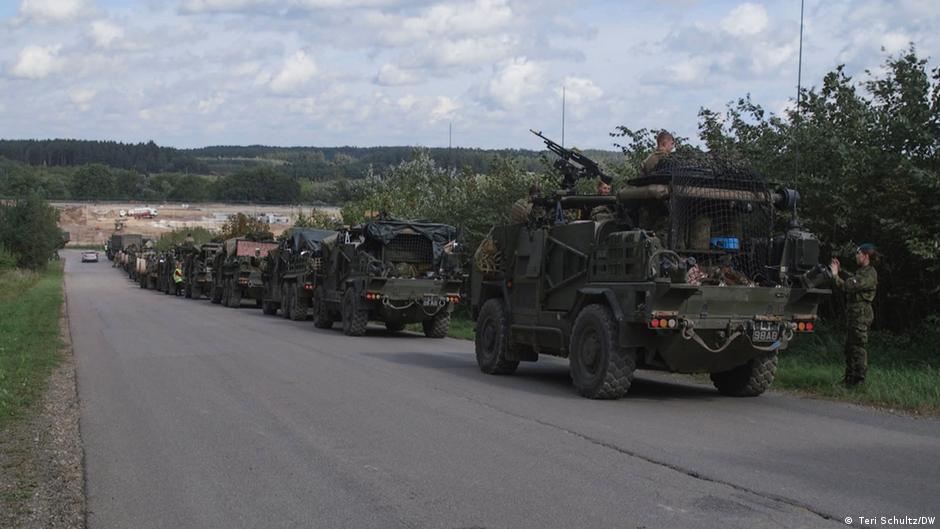
From June 16 to 26, Lithuania, Poland, and France are conducting joint military exercises near the Suwalki Corridor, a narrow but strategically vital land passage that links the Baltic States with the rest of the European Union through Poland. The drills, named "Gallant Boar 2026," focus on synchronized infantry operations and enhancing the ability to defend the corridor against potential threats.
Strategic Importance and Regional Implications for Security and Innovation
The Suwalki Corridor, less than 100 kilometers long and situated between the Russian exclave of Kaliningrad and Belarus, holds high strategic importance for NATO and the EU. It serves as the sole land connection for Lithuania, Latvia, and Estonia to the rest of NATO territories. In the event of conflict escalation, Russia could potentially attempt to seize control of the corridor, effectively isolating the Baltic states.
Lithuania is contributing mechanized forces, including the Dragoon Battalion of Grand Duke Butigeidis and the "Žemaitija" infantry brigade, while Poland is reinforcing border security measures. France’s participation highlights NATO’s broader commitment to collective defense.
"The exercises are designed to synchronize allied actions and refine skills necessary to secure the Suwalki Corridor against any aggression," said one defense official involved in the drills.
These maneuvers occur alongside broader efforts to bolster regional military infrastructure. In April 2026, Lithuania approved constructing a new military training ground near the corridor to accommodate up to 4,000 troops by 2028, signaling long-term commitment to regional defense readiness.
From a venture capital and startup ecosystem perspective, increased military cooperation and infrastructure development in Eastern Europe can catalyze opportunities in defense technology, cybersecurity, and dual-use innovations. The heightened geopolitical risk encourages startups and investors to focus on resilient supply chains, secure communications technologies, and AI-driven defense solutions.
Moreover, NATO’s plans to establish a new command structure to facilitate rapid troop deployments to Estonia and Latvia highlight the growing demand for advanced logistics, real-time data analytics, and secure command-and-control platforms—areas ripe for innovation and venture investment.
Despite Russia’s ongoing military challenges in Ukraine, Moscow continues to prepare strategically, concentrating forces along its western borders and expanding military bases, as satellite imagery reveals. Defense experts forecast a possible escalation around 2029, underscoring the region’s long-term security importance.
However, U.S. Army General Christopher G. Cavoli, NATO’s Supreme Allied Commander Europe, remains confident that Russia will avoid open confrontation with NATO, acknowledging the alliance’s "asymmetric advantages" in technology and military capabilities.
For tech startups and venture capitalists, these developments signal an urgent need to innovate in military-grade technologies, cybersecurity resilience, and intelligence analytics, reflecting the interplay between geopolitical shifts and the evolving defense tech ecosystem.