New Regulations Limit Banks from Fully Withdrawing Funds from Cards in Uzbekistan
Uzbek banks must now maintain a minimum balance on cards during automated debt collection, impacting fintech and lending startups.
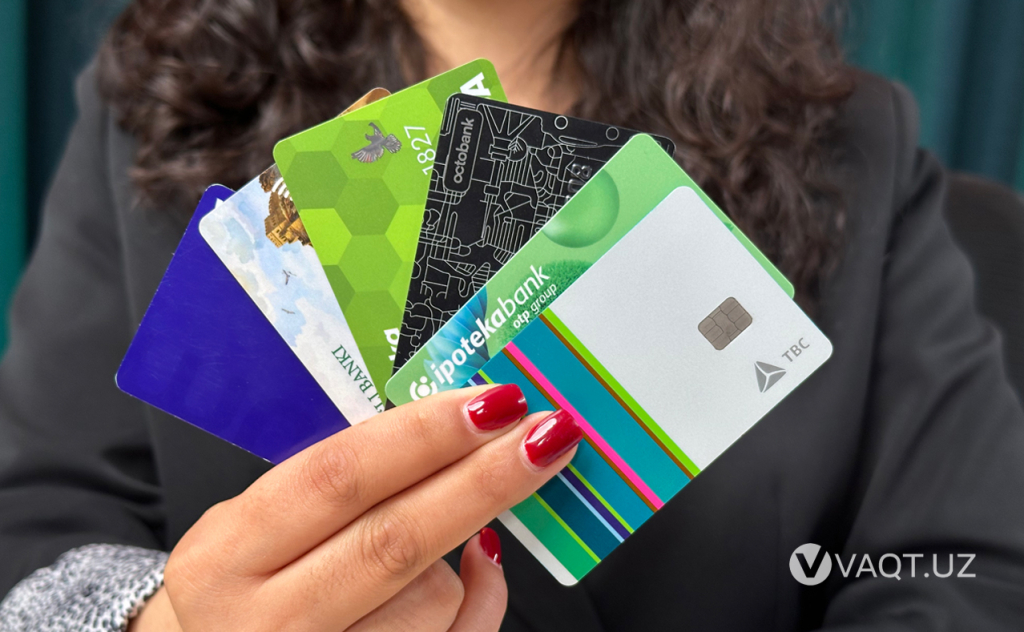
Starting April 15, 2025, banks in Uzbekistan have adopted new rules restricting their ability to automatically withdraw funds from customers' bank cards without explicit approval. This regulatory change requires banks to leave a minimum balance of 1,236,000 Uzbekistani soms on the card during any automated debit transactions related to debt repayments.
Implications for Fintech and Lending Startups
The new rule targets the process known as "akseptsiz yechib olish"—an automatic debit mechanism where funds are withdrawn from clients' cards without individual transaction confirmation. This system is widely used by banks and financial organizations to ensure timely loan, installment, or microloan repayments.
Previously, banks could withdraw funds down to zero balance, potentially leaving customers unable to access any card funds during repayment obligations. Under the new regulation, banks must retain at least three times the base calculation amount (currently 1,236,000 soms) on the card, preventing full depletion of funds.
"Even when there is outstanding debt, banks can only withdraw the amount exceeding the mandated minimum balance, safeguarding customers’ access to some funds on their cards," said a representative from the Uzcard payment system.
For banks and fintech startups focused on lending or payment processing, this change necessitates adjustments in automated debit systems. The minimum balance requirement may influence the design of credit products and repayment schedules, potentially affecting cash flow forecasting and risk assessments.
However, transactions authorized directly by customers—such as those confirmed via one-time codes—are exempt from this restriction, allowing full withdrawal if explicitly approved.
The technical implementation of this policy has already been completed at the payment system level, and banks have begun informing customers about the new withdrawal limits.
This regulatory update reflects a broader trend in Uzbekistan’s financial sector towards enhanced consumer protections and more transparent debt collection practices. For startups and venture capitalists operating in Uzbekistan's fintech ecosystem, understanding these regulatory nuances is crucial for product innovation and compliance.
As the nation’s banking and payment infrastructure evolves, such measures can help balance creditor interests with consumer rights, fostering trust and stability in digital financial services.