Russian Missile and Drone Strikes on Kyiv and Kharkiv Raise Concerns for Ukrainian Tech Sector
Russian missile and drone attacks on Kyiv and Kharkiv threaten Ukraine's tech startups and venture capital investments amid ongoing conflict.

Russian missile and drone attacks on Kyiv and Kharkiv threaten Ukraine's tech startups and venture capital investments amid ongoing conflict.

The death of Iran’s Supreme Leader Ali Khamenei introduces geopolitical uncertainty impacting Middle Eastern tech startups, venture capital, and regional innovation dynamics.

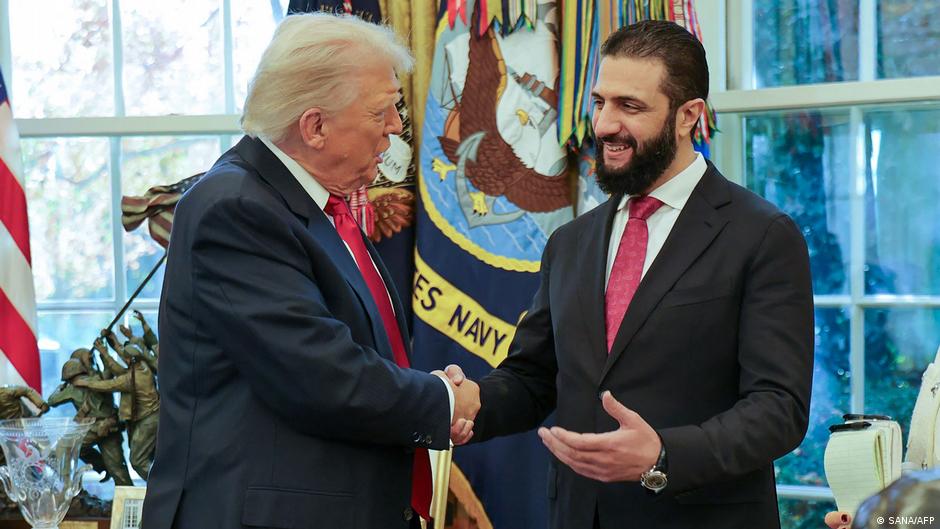
US plans to remove Syria from terrorism sponsors list may unlock significant venture capital and startup investment opportunities in Syria's recovering tech ecosystem.

Massive rocket and drone attacks on Kyiv cause casualties and damage key infrastructure, raising concerns for Ukraine's tech startups and venture capital environment.

Russia’s maritime oil exports reached a 2026 peak despite US-Iran negotiations easing sanctions, intensifying competition and lowering global oil prices.
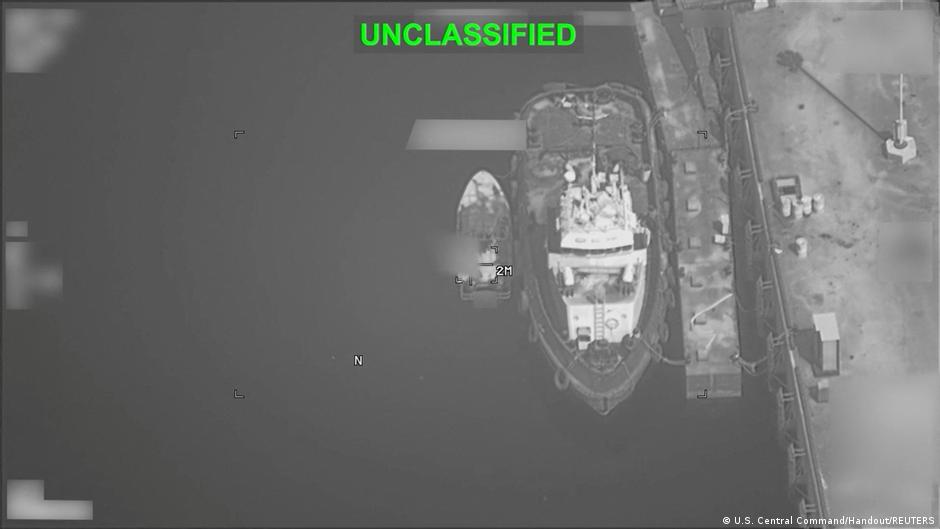
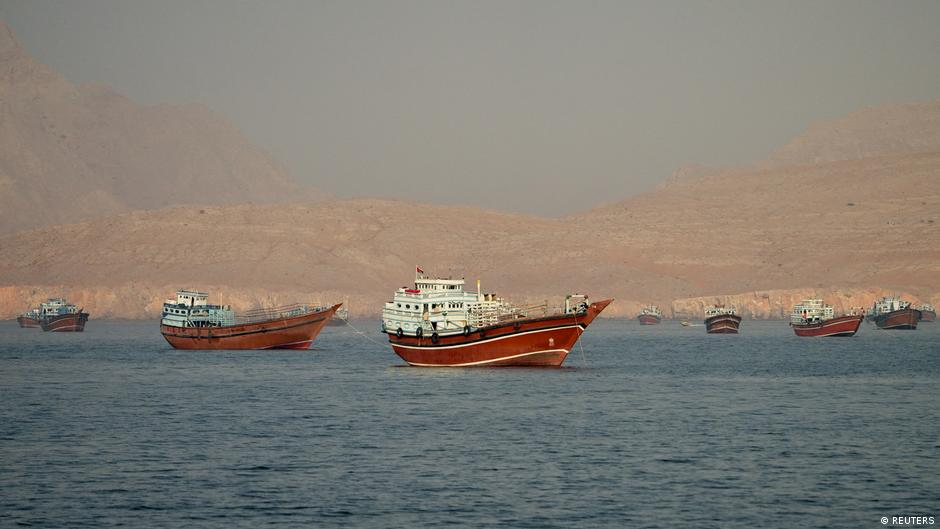
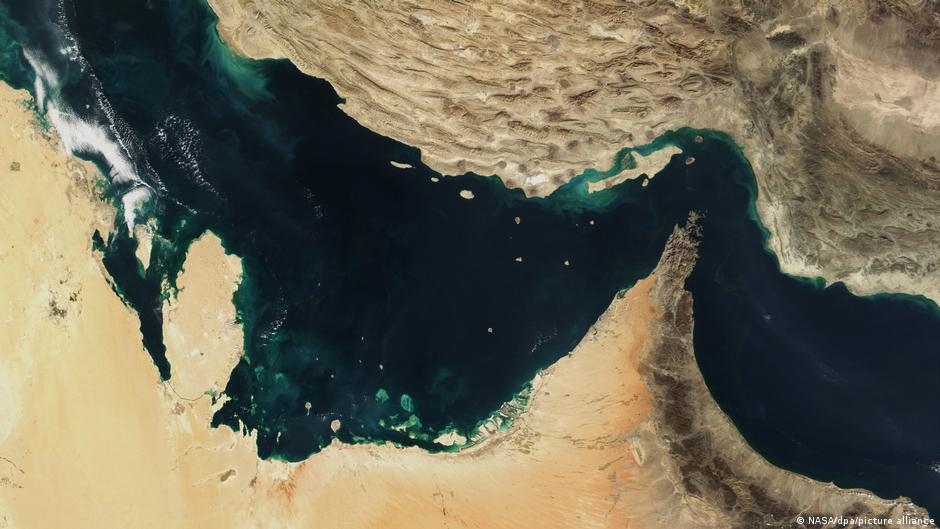
The US has ended its blockade of the Strait of Hormuz, initiating negotiations with Iran that open pathways for energy supply stability and renewed venture capital opportunities in the Middle East.

The US-Iran peace deal will immediately reopen the Strait of Hormuz and lift port blockades, potentially boosting venture capital flows and startup growth in the Middle East.

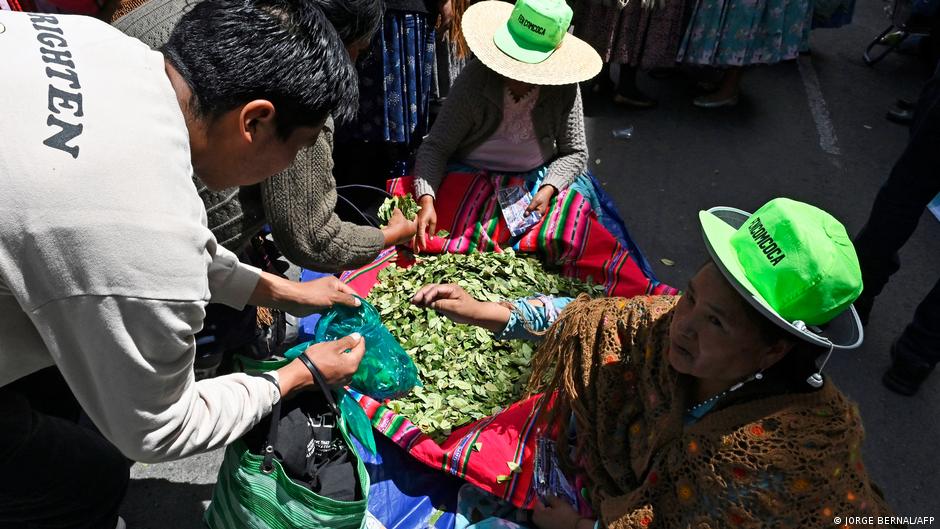
Bolivia and the US have signed their first drug enforcement cooperation agreement in 18 years, potentially enhancing regional security and fostering a better environment for startups and VC investment.

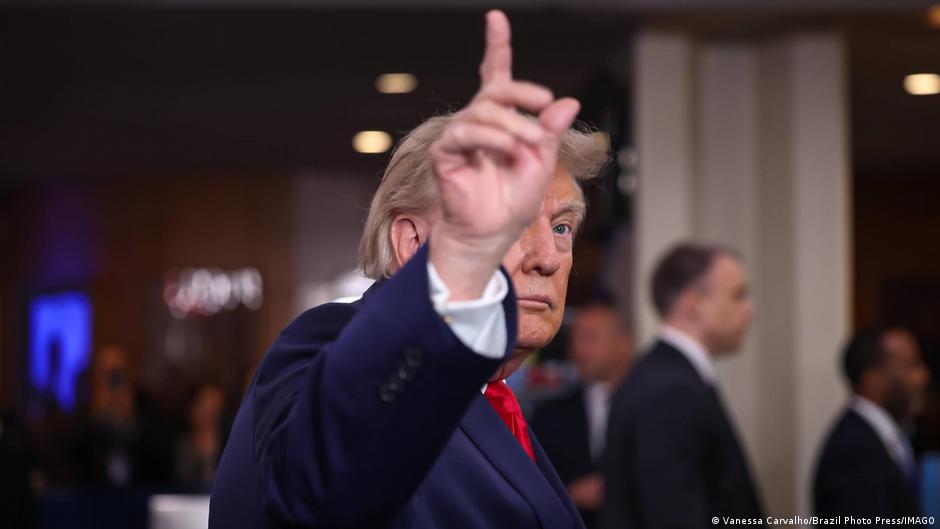
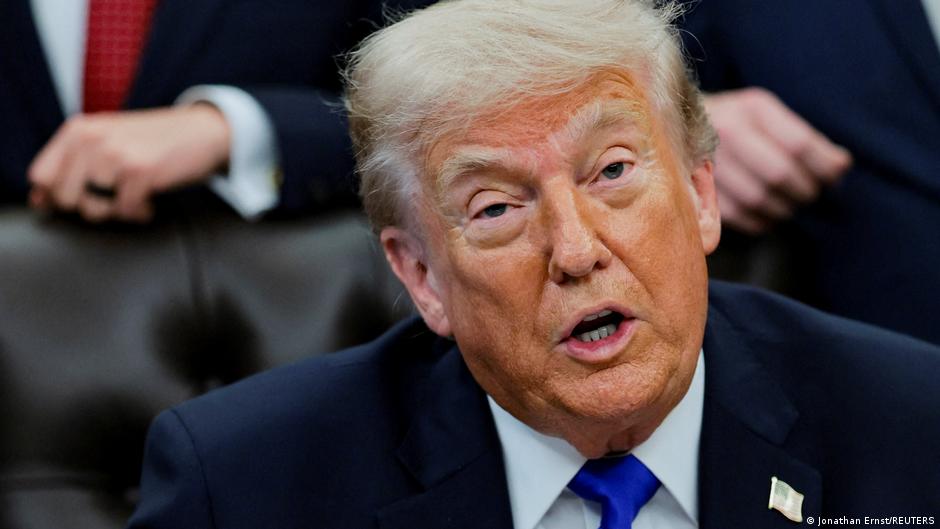
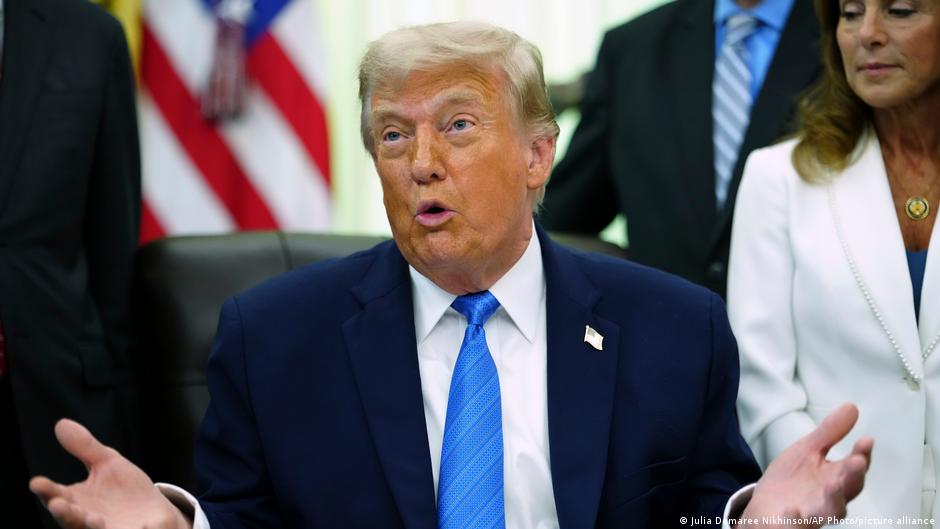
Trump’s cancellation of Iran strikes and progress toward a nuclear deal may stabilize the Middle East, boosting tech startups, venture capital, and regional innovation.

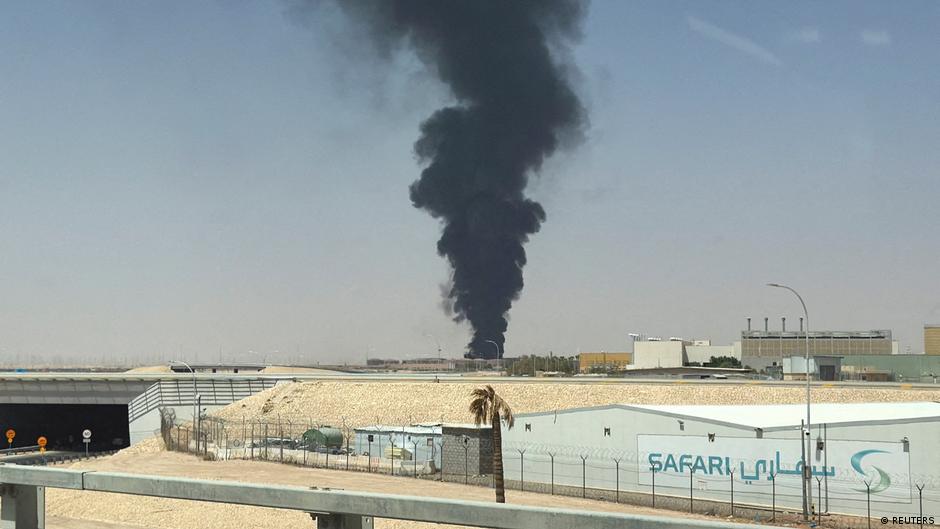
Renewed US-Iran military actions and the closure of the Strait of Hormuz threaten regional stability and could impact venture capital and innovation in Middle East tech startups.

US-Iran negotiations show promising progress with potential to end conflict, opening up new opportunities for tech startups and venture capital investment in the region.

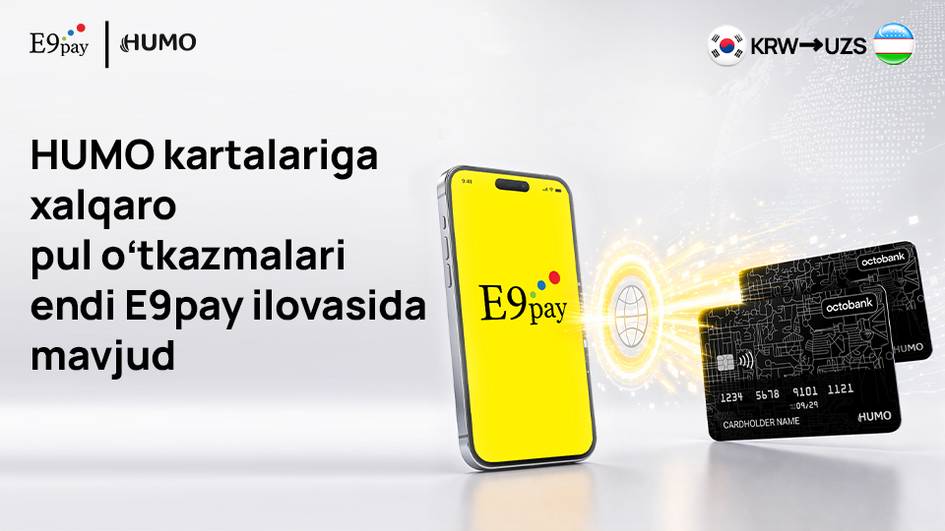
Octobank launches E9PAY-enabled transfers from South Korea to Uzbekistan’s HUMO cards, fostering fintech innovation and attracting VC interest in cross-border payments.

Uzbekistan’s halt in gold exports has caused a near 30% drop in exports, reshaping trade dynamics and impacting venture capital and startup opportunities in the region.

Uzbek payment platforms Payme, Click, and Paynet report strong Q1 2026 profit and revenue growth, reflecting dynamic fintech sector developments and market consolidation.
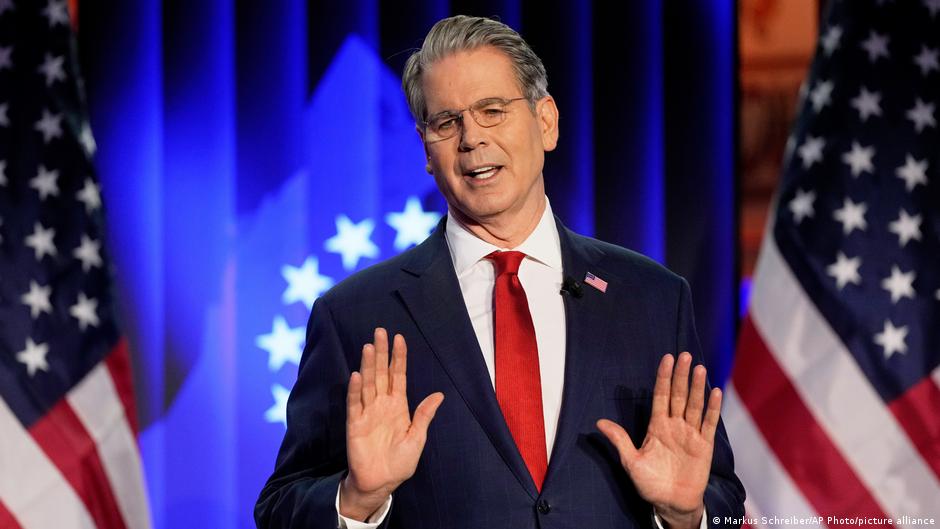
The US Treasury will not renew exemptions allowing purchase of Russian and Iranian oil products at sea, tightening sanctions with consequences for energy markets and startups.

Uzbek banks are now required to keep a minimum balance on cards during automated debt withdrawals, affecting fintech lending and payment systems.

Uzbekistan’s March auto sales surged 19%, driven by new and used cars, with EV sales up 24%, signaling opportunities for startups and venture capital in the evolving mobility sector.

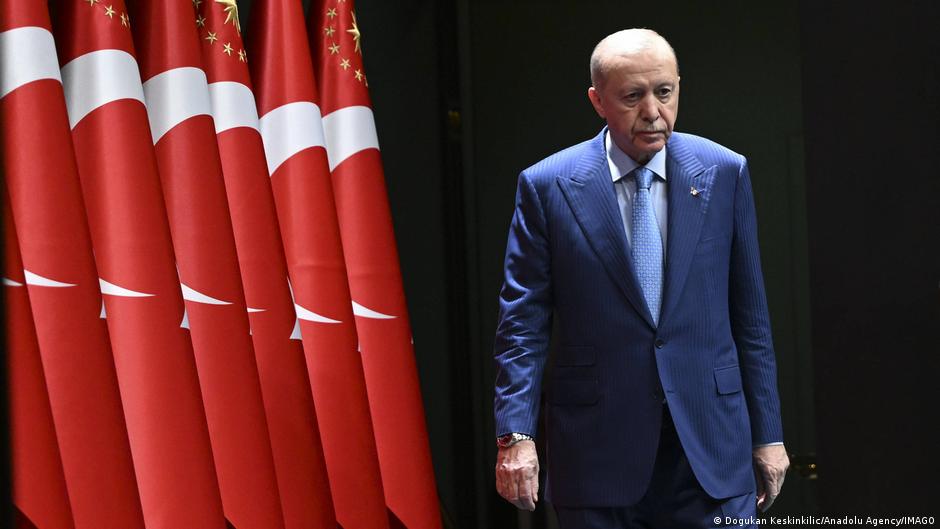
Turkey is facilitating renewed Russia-Ukraine peace talks, potentially stabilizing the region and impacting the venture capital and tech startup ecosystem.

Tencent and Kaspi.kz management acquire a major stake in Kazakhstan's fintech leader, bolstering the regional startup and innovation ecosystem.

Tashkent's agricultural and automotive markets saw significant profit growth in 2025, creating new opportunities for startups and venture capital investors in the region.

Leading Uzbek banks report strong Q1 2026 profits and asset growth, signaling expanding opportunities for venture capital and fintech innovation in the country.
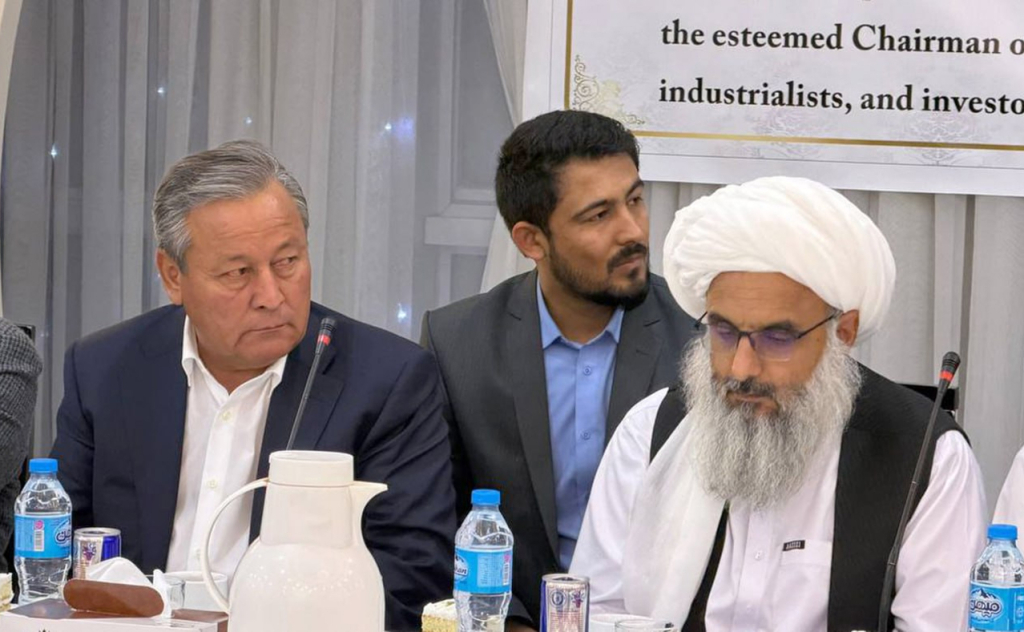
Uzbek and Afghan entrepreneurs signed $300M contracts during a Herat forum, boosting cross-border startup collaboration, trade, and investment opportunities.