
Business
Uzbekistan’s Decade of Business Reform Reshapes Startup and VC Landscape
Uzbekistan’s 10-year business reform drive is reshaping the legal and operating climate for startups, investors and future M&A.
Editorial Team · Sep 3, 2026
Uzbekistan’s 10-year business reform drive is reshaping the legal and operating climate for startups, investors and future M&A.
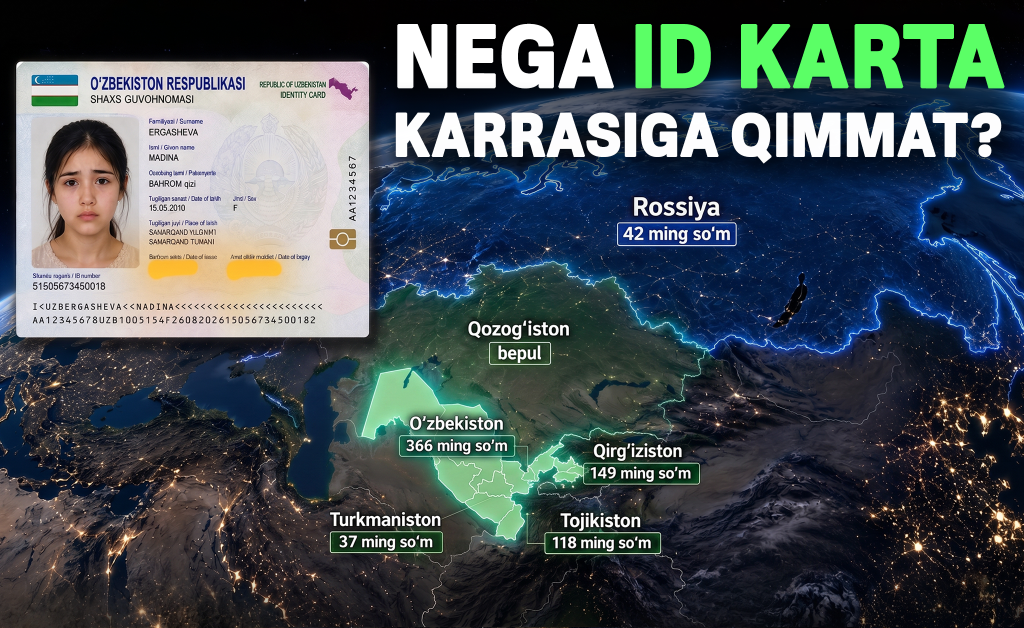
Uzbekistan’s debate over first-time ID card fees is exposing a friction point for digital inclusion and for startups that depend on verified users.

Uzbekistan puts state-owned Gold Moon jewelry plant up for auction, offering investors a chance to modernize a traditional sector amid ongoing financial challenges.

Humo’s net profit soared 3.3 times in H1 2026 to 410.9 billion UZS, driven by strong revenue growth and operational efficiency despite new tax burdens.

Uzbekistan launches a subsidy covering up to 50% of costs for modern swimming pool projects, fostering startup growth in tourism, sports infrastructure, and health tech.
Uzbekistan launches national digital initiatives to unify public administration, boost IT exports, and attract $2B in investments, fostering a thriving tech startup ecosystem.

Uzbekistan’s reforms in water management and digital innovation create new opportunities for tech startups and venture capital in sustainable water solutions.

Uzbek aluminium producer AKFA Aluminium plans its first international bond issuance, engaging global investors to boost transparency and growth.

Paxtakor Football Club reported a $4.5 million loss in 2025, highlighting financial challenges amid efforts to privatize and reduce state funding in Uzbek football.
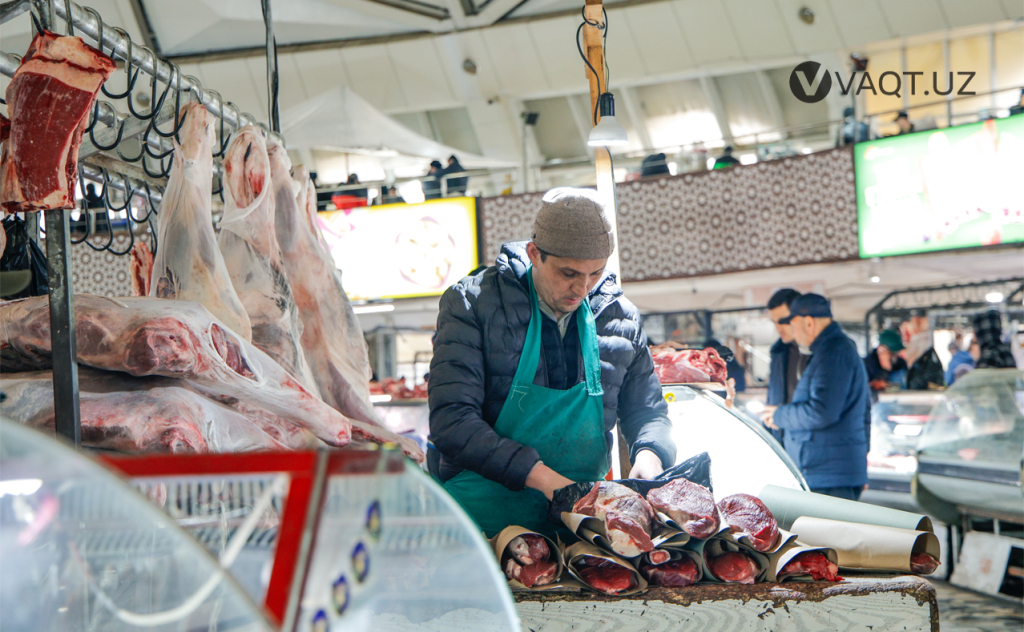
Uzbekistan’s meat imports surged 62.8% in early 2026 as domestic production slows, creating new opportunities for agri-tech startups and venture capital in meat industry innovation.
Uzbek banks report a 30.88% deposit increase in Q1 2026, boosting liquidity and creating new opportunities for startup funding and venture capital investment.
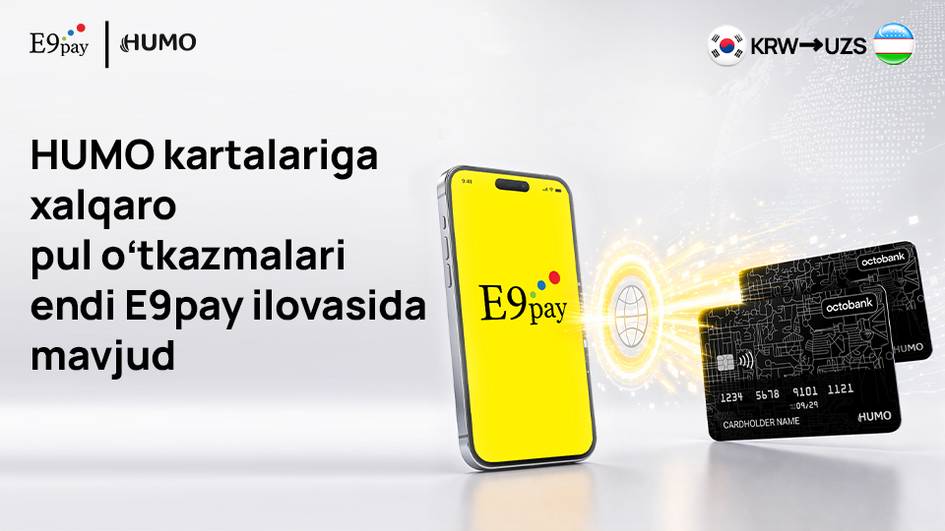
Octobank launches E9PAY-enabled transfers from South Korea to Uzbekistan’s HUMO cards, fostering fintech innovation and attracting VC interest in cross-border payments.
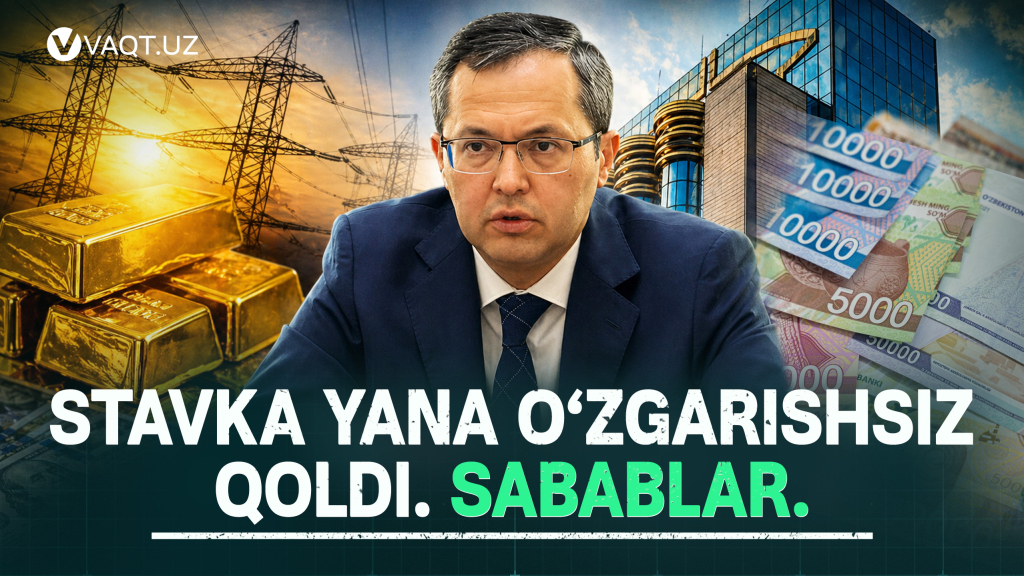
Uzbekistan's Central Bank holds interest rates steady at 14% amid persistent food price inflation and external economic risks, balancing growth and monetary stability.

Uzbekistan’s halt in gold exports has caused a near 30% drop in exports, reshaping trade dynamics and impacting venture capital and startup opportunities in the region.

Uzbek payment platforms Payme, Click, and Paynet report strong Q1 2026 profit and revenue growth, reflecting dynamic fintech sector developments and market consolidation.

Uzbekistan's rising urban divorce rates and declining marriage trends may affect the tech startup ecosystem by influencing workforce stability and demographic growth.

Uzbekistan's banking sector saw a 1.8 trillion UZS rise in problematic loans in Q1 2026, affecting credit availability for tech startups and the innovation ecosystem.

Uzbek banks are now required to keep a minimum balance on cards during automated debt withdrawals, affecting fintech lending and payment systems.
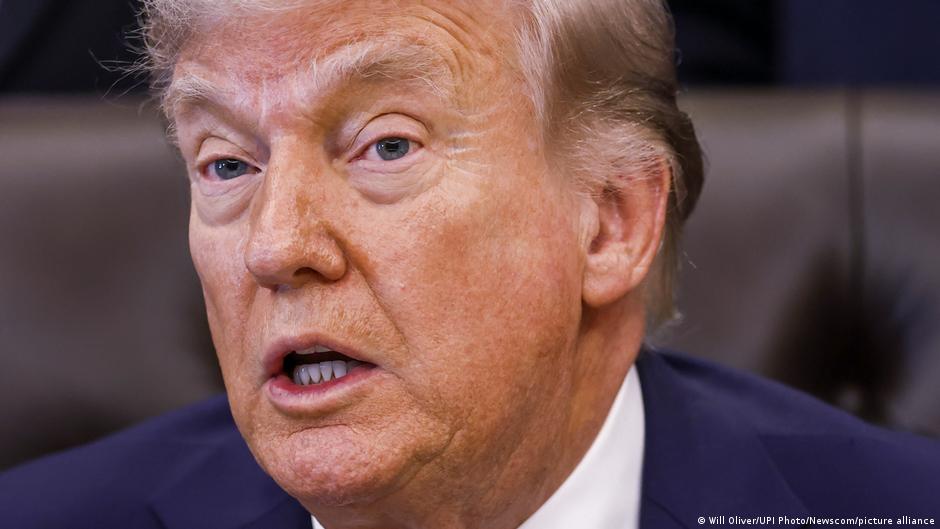
President Trump sees potential benefits in Putin attending the 2026 G20 summit but is uncertain about Russia’s invitation and attendance status.

Uzbekistan’s March auto sales surged 19%, driven by new and used cars, with EV sales up 24%, signaling opportunities for startups and venture capital in the evolving mobility sector.
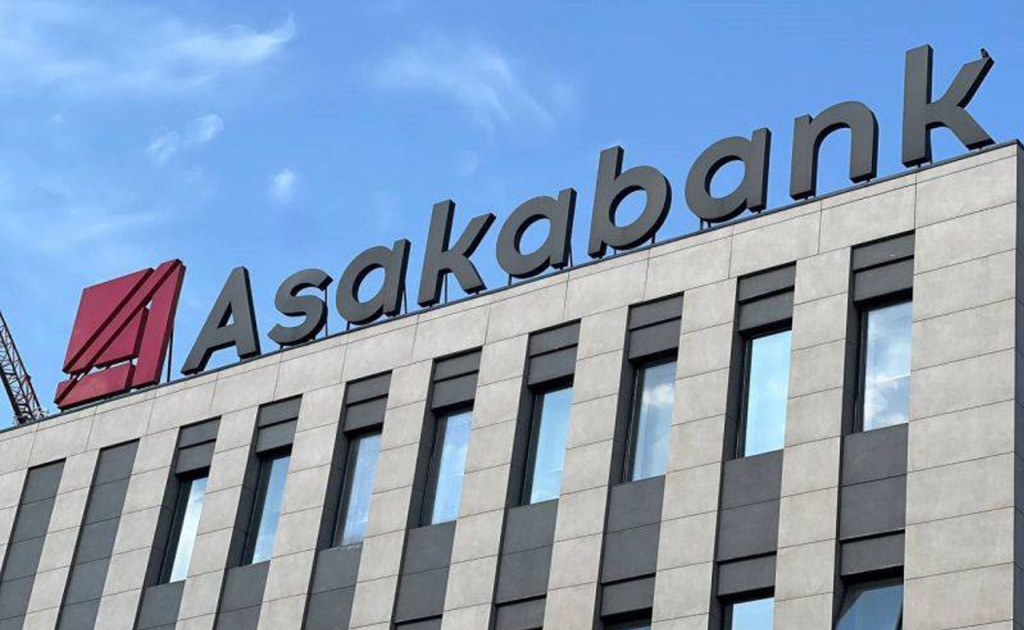
Uzbekistan accelerates Asakabank's privatization, reallocating assets and injecting capital to boost venture-backed startups and modernize its banking sector.
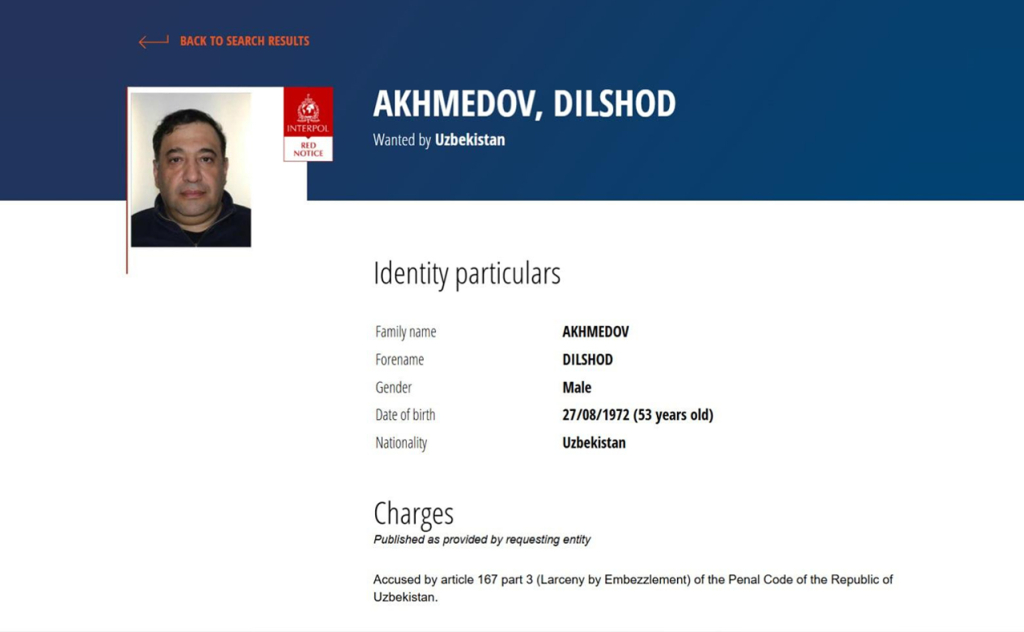
Dilshod Ahmedov, former chairman of Uzbekistan’s O‘zmetkombinat, is internationally wanted for alleged embezzlement, highlighting governance risks in the country's industrial sector.

Germany’s Bundeswehr Military Technology Museum has restricted access to visitors from Uzbekistan and other Central Asian countries due to new security laws.
Leading Uzbek banks report strong Q1 2026 profits and asset growth, signaling expanding opportunities for venture capital and fintech innovation in the country.
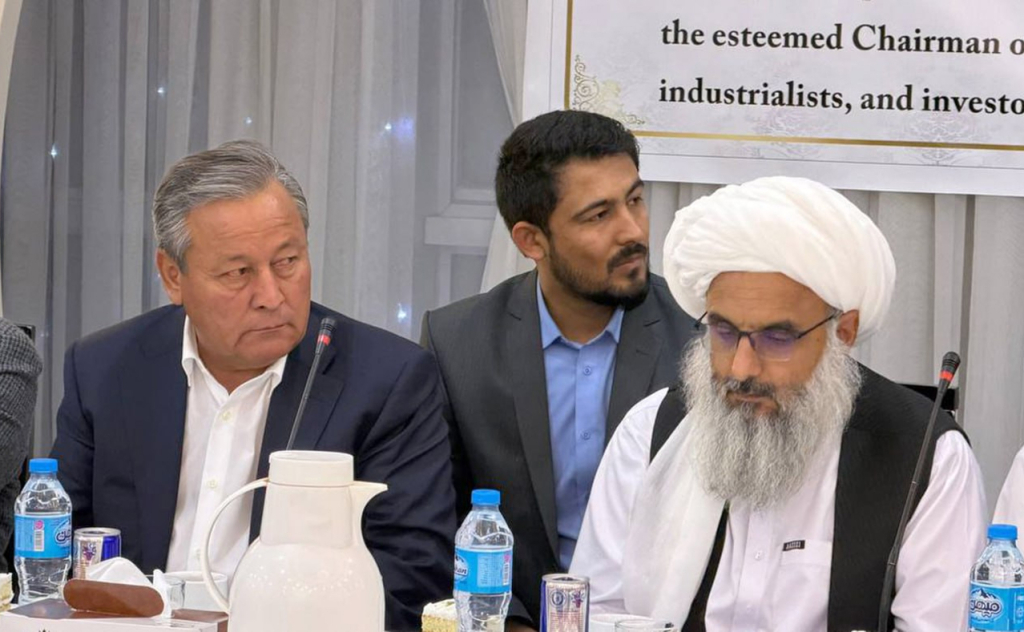
Uzbek and Afghan entrepreneurs signed $300M contracts during a Herat forum, boosting cross-border startup collaboration, trade, and investment opportunities.