PACE Resolution Criticizes Democratic Backsliding in Georgia, Raising Concerns for Startup Ecosystem
The Council of Europe’s Parliamentary Assembly calls on Georgian authorities to halt opposition persecution and restore democratic standards, impacting tech startup climate.
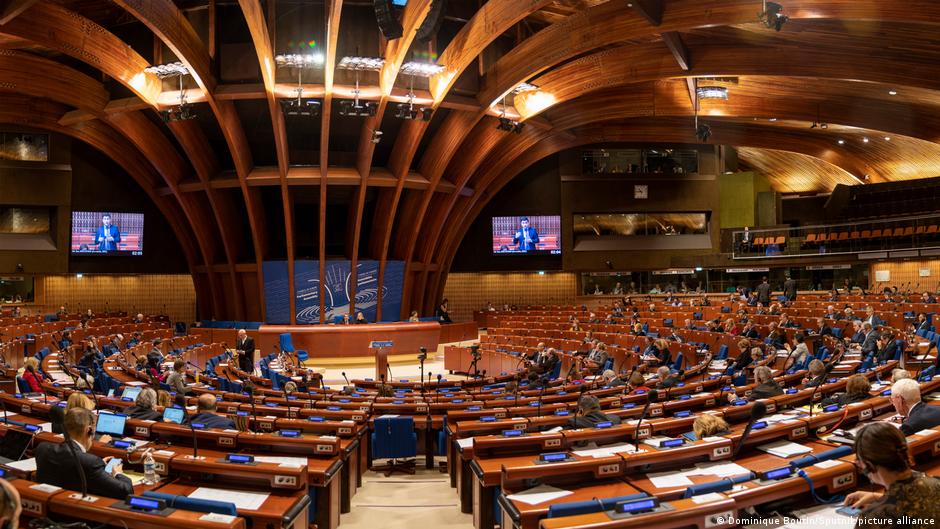
The Parliamentary Assembly of the Council of Europe (PACE) adopted a resolution on June 24, sharply criticizing the democratic regression in Georgia. The resolution urges the Georgian government to cease persecuting political opposition, repeal repressive legislation, and ensure conditions for free and democratic elections.
Supported by 83 members, with only 5 opposing and 4 abstaining, the resolution highlights serious concerns about the ongoing suppression of civil society, political dissent, and freedom of expression in Georgia. PACE calls on authorities in Tbilisi to uphold democratic norms, which are essential for fostering a stable and innovative environment.
Implications for Georgia’s Tech Startups and Investment Climate
Georgia’s evolving political landscape has significant implications for its burgeoning technology sector and venture capital environment. Democratic backsliding and political instability can erode investor confidence, hinder innovation, and slow the growth of startups that rely on transparent governance and freedoms.
“The continued suppression of civil society and political opposition undermines the democratic foundations crucial for a vibrant innovation ecosystem,” the resolution states.
Political persecution and restrictive laws may dissuade international venture capital funds from engaging with Georgian startups due to increased risk perceptions. Moreover, uncertainty around governance can impede mergers and acquisitions, which are vital for startup exits and ecosystem maturity.
For tech entrepreneurs, democratic constraints can translate into limitations on freedom of speech, research, and collaboration with global partners. The PACE resolution’s emphasis on reversing repressive reforms, including those impacting academic freedom, signals the importance of preserving openness for scientific and technological advancement.
The resolution also urges thorough investigations of police violence during demonstrations and adherence to rulings from the European Court of Human Rights. These factors contribute to the overall business climate and social stability necessary for innovation-driven growth.
Government Response and Regional Implications
Georgia’s parliamentary speaker, Shalva Papuashvili, dismissed the resolution as "anti-Georgian," accusing PACE and the European Parliament of failing to recognize Georgia’s sovereignty. He cited the recent parliamentary elections that brought the ruling Georgian Dream party to power as evidence of popular legitimacy, criticizing PACE’s call for new elections.
This political tension underscores challenges for international organizations aiming to promote democratic values while respecting national sovereignty. However, the stability and strength of democratic institutions remain fundamental for sustaining Georgia’s role as an emerging hub for innovation and venture capital in the Caucasus region.
In conclusion, the ongoing democratic concerns flagged by PACE have a direct bearing on Georgia’s technology ecosystem and its attractiveness for venture investors. Upholding democratic principles and creating a secure legal environment are critical for fostering innovation, encouraging startup growth, and integrating Georgia into the global tech economy.