Drone Attacks on Belgorod Raise Security Concerns for Russian Border City and Infrastructure
Ukrainian drone strikes caused injuries and damage in Belgorod, highlighting escalating cross-border tensions and risks to critical infrastructure near Russia-Ukraine border.
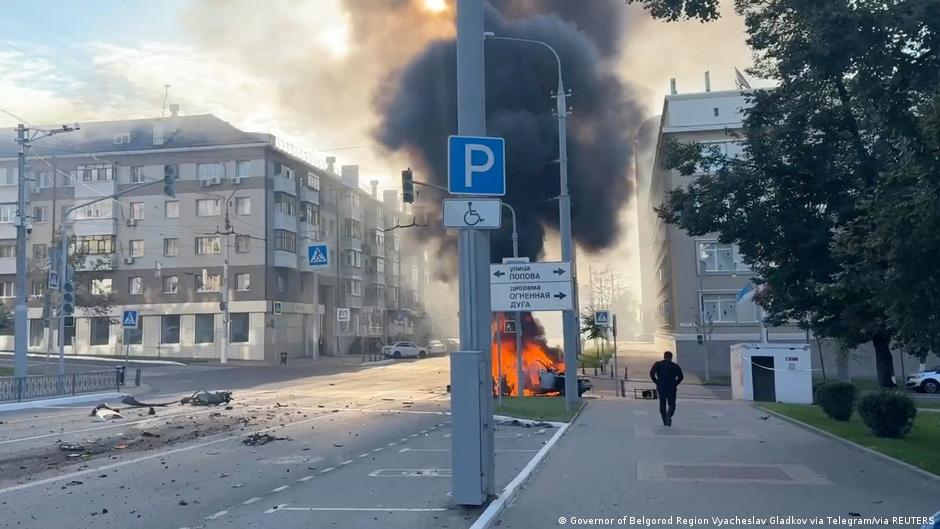
In the early hours of Sunday, August 9, the Russian border city of Belgorod experienced a series of drone attacks that resulted in multiple injuries and significant property damage. Acting Governor Alexander Shuvaev reported 13 people wounded, including two children, after several explosions shook the city near the Ukraine border.
The assault targeted several locations, including residential high-rise buildings, administrative offices, social venues, and commercial facilities. Preliminary assessments indicate that at least four multi-story apartment buildings sustained damage. Notably, open-source intelligence (OSINT) analysis suggests that strategic sites such as the local thermal power plant (TPP) and a Federal Security Service (FSB) office in Belgorod were possible targets.
Implications for Regional Security and Infrastructure
The use of dozens of unmanned combat aerial vehicles (UCAVs) or drones in coordinated attacks represents an evolution in cross-border conflict dynamics. Witnesses and local Telegram channels documented numerous drone flyovers and explosions, with footage showing large plumes of smoke and ongoing fires.
"The attack damaged over four apartment buildings, an administrative building, social and commercial sites," Governor Shuvaev stated, emphasizing the civilian impact of the strikes.
OSINT investigators from the Astra publication analyzed imagery from eyewitnesses and deduced that the damaged high-rise buildings were in proximity to significant security and energy infrastructure. Among these were an FSB regional office and the Belgorod Thermal Power Plant, located approximately 600 meters from some of the damaged residences.
The operational capabilities demonstrated by the Ukrainian forces through the deployment of multiple strike drones pose new challenges to the security apparatus of border cities like Belgorod. The attacks highlight vulnerabilities not only to civilian infrastructure but also to critical energy and security installations that could have broader implications for regional stability.
Venture Capital and Startup Ecosystem Considerations
While the direct impact of the drone strikes is predominantly humanitarian and security-related, the broader ramifications for the regional innovation ecosystem and tech startups are noteworthy. Belgorod, like other Russian cities near conflict zones, faces increased risks that could deter venture capital investments and startup activities. The perceived instability and threats to infrastructure may lead to cautious or reduced funding flows into local technology ventures.
Moreover, the use of sophisticated unmanned systems in conflict zones underscores the growing importance of advanced drone technologies, cybersecurity, and defense-related innovations. Startups specializing in drone detection, counter-drone systems, and resilient infrastructure solutions may find accelerated demand and funding opportunities amid heightened geopolitical tensions.
Investors and entrepreneurs should monitor how regional security developments influence the viability of operating in border areas and the strategic priorities for innovation. The evolving conflict dynamics could reshape funding trends, prompting a shift towards defense tech, autonomous systems, and cybersecurity startups.
In summary, the drone attacks in Belgorod signal escalating cross-border hostilities with tangible consequences for civilian populations and critical infrastructure. They also serve as a stark reminder of the intertwining of security concerns with the health and growth potential of regional innovation ecosystems.