US Senate Sanctions Against Russia Boost Transatlantic Pressure Amid Energy Sector Clampdown
New US sanctions targeting Russia’s officials, oligarchs, and energy exports receive strong backing, impacting global tech and investment flows.
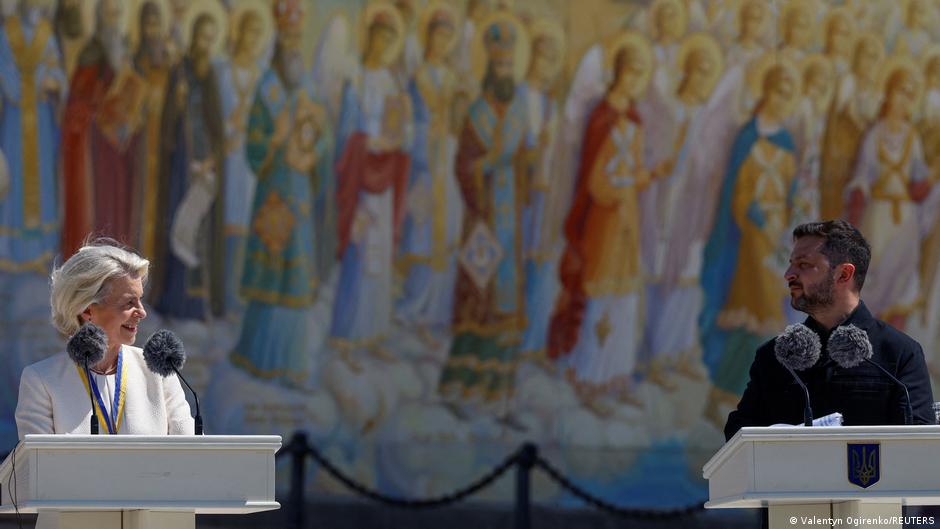
The US Senate has overwhelmingly approved a comprehensive sanctions package aimed at curbing Russia's financial and energy sectors, marking a significant escalation in transatlantic efforts to pressure Moscow amid the ongoing war in Ukraine. Named after the late Senator Lindsey Graham, the legislation targets Russian officials, oligarchs, financial institutions, and the so-called "shadow fleet" used to circumvent energy export restrictions.
Implications for Tech Startups and Venture Capital Ecosystems
European Commission President Ursula von der Leyen and Ukrainian President Volodymyr Zelensky both welcomed the US Senate's decisive vote, emphasizing the coordinated Western strategy to deprive Russia of resources needed to sustain its military aggression. Von der Leyen underscored the importance of joint sanctions, stating, "Europe and the United States can once again demonstrate what historical partners can achieve when acting together." This united front sends a clear signal to the global innovation and investment communities about the geopolitical risks associated with Russian-linked assets and ventures.
For the tech and venture capital sectors, these measures intensify scrutiny on any interactions with Russian entities and highlight the increasing geopolitical dimension of investment decisions. The sanctions include restrictions on financial institutions and oligarchs with stakes in technology and energy companies, potentially disrupting cross-border collaborations and complicating funding rounds involving Eurasian stakeholders.
Furthermore, the legislation empowers the US administration to impose tariffs up to 100% on goods from major buyers of Russian oil and gas, aiming to reduce global dependence on Russian energy. This move may accelerate innovation and investment in alternative energy technologies and startups, as Western energy markets seek faster transitions to diversified and sustainable sources.
"Let us together deprive Russia of the means to continue a war it cannot win," said Ursula von der Leyen, highlighting the strategic intent behind the sanctions.
Ukrainian President Zelensky also appealed for increased military support, particularly in acquiring Patriot missile systems to strengthen air defense. His comments reflect the broader context in which these sanctions operate—not only as economic tools but as part of a multifaceted effort to bolster Ukraine's resilience and sovereignty.
The Senate passed the sanctions bill with 86 votes in favor and 11 against, but it must still pass the House of Representatives, with voting expected after the summer recess. The legislation includes carve-outs for countries sourcing less than 15% of their natural gas from Russia and actively reducing imports, reflecting attempts to balance geopolitical pressures with energy security concerns.
As the sanctions regime tightens, tech startups operating in or with Russian-linked markets may face amplified compliance requirements and funding challenges. Venture capital firms will need to navigate these evolving regulatory landscapes carefully to avoid exposure while identifying opportunities arising from shifting energy dependencies and geopolitical realignments.