Russian Court Imposes Restrictions on Accused in Moscow Exchange Market Manipulation Case
Two individuals accused of price manipulation on the Moscow Exchange face court-ordered restrictions amid allegations of over 28 million rubles in illicit gains.
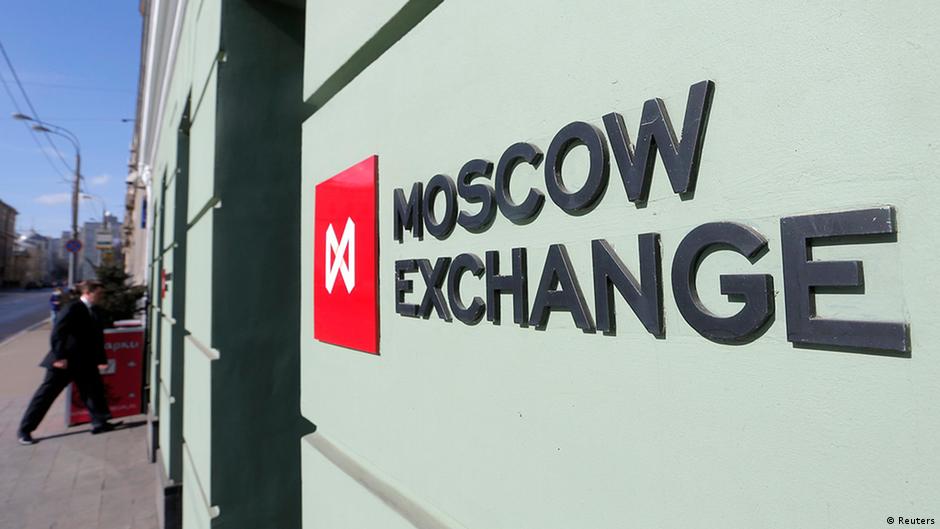
The Basmanny District Court of Moscow has imposed restrictions on Ilya Marochenkov and Gavriil Romanenko, accused of manipulating financial instrument prices on the Moscow Exchange via Telegram channels. The court ruling follows allegations that the suspects generated illicit revenue exceeding 28 million rubles through orchestrated market manipulation.
Impact on Russia's Financial and Startup Ecosystem
The investigation uncovered that the accused operated organized schemes using thematic Telegram channels—including "MarketsMoneyPower | RDP," "RCB Signals," and "Wolf from the Moscow Exchange"—which collectively reached an audience of nearly 300,000 users. These channels published targeted buy or sell signals intended to sway asset prices and trading volumes on Russia's central stock market during 2023 and 2024.
"According to investigators, the organized group earned excessive income exceeding 28 million rubles through manipulative trades."
On April 13, the Russian Ministry of Internal Affairs announced the detention of three men suspected of systematically influencing securities prices through these Telegram channels. This coordinated manipulation involved executing over 55,000 illicit transactions to artificially inflate prices before selling the securities at a profit.
The Central Bank of Russia issued 10 orders addressing violations of the federal law against insider trading and market manipulation. Notably, individuals connected with the PFL Advisors investment company—including partners and family members—were among those sanctioned.
The Investigative Committee of Russia confirmed that criminal proceedings are ongoing against this organized group, which reportedly exploited opaque communication channels to distort market pricing. This case highlights emerging vulnerabilities in Russia's financial market infrastructure, especially concerning unauthorized influence via digital platforms.
For the venture capital and startup sectors, these developments underscore the risks posed by manipulation tactics that could undermine investor confidence and distort valuations of tech companies seeking public or private financing. Startups reliant on transparent market signals may face increased scrutiny and demand for compliance with stricter regulatory oversight.
Moreover, the case illuminates the broader challenges regulators encounter in monitoring new digital communication channels like Telegram, which have become influential vectors for market information dissemination. As Russia's investment ecosystem adapts, enhanced governance and real-time surveillance capabilities may be necessary to prevent similar incidents that could disrupt innovation financing.