US Halts Pakistan-Based Iran Negotiations, Citing Strategic Advantages and Efficiency
President Trump announces cessation of US envoy travel to Pakistan for Iran talks, emphasizing digital diplomacy over in-person meetings.
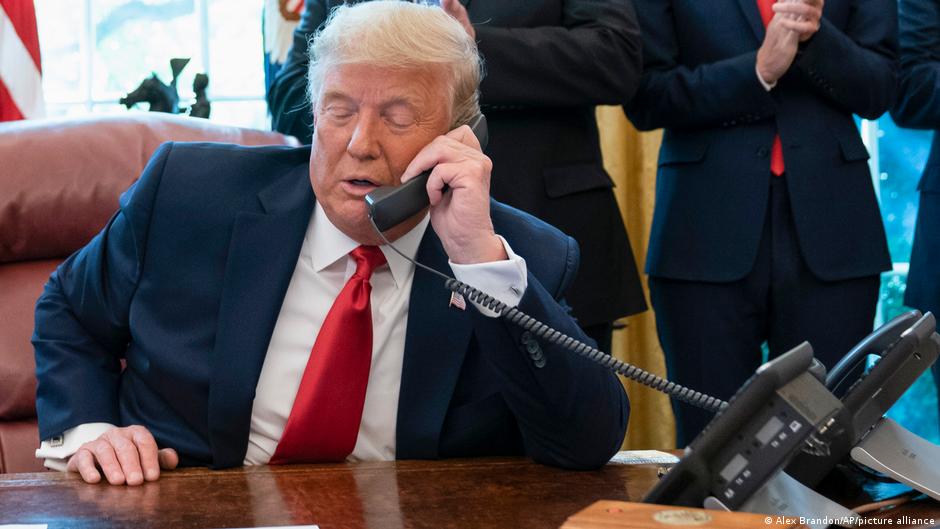
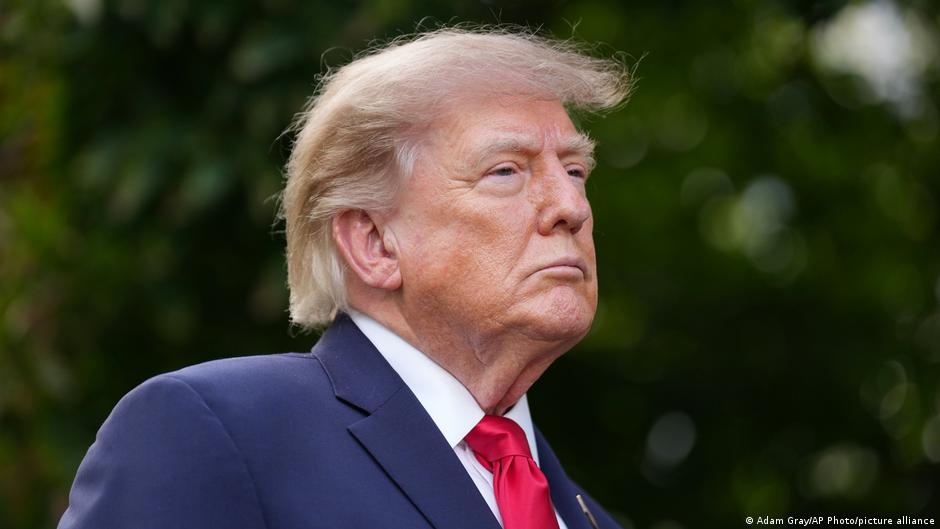
The United States has decided to stop sending negotiators to Pakistan for discussions with Iran aimed at ending ongoing conflicts, President Donald Trump announced in a recent interview. This move signals a shift towards remote communication and reflects the US administration's confidence in its strategic position regarding Iran.
Implications for Diplomatic Engagement and Regional Stability
During a televised interview on Fox News' The Sunday Briefing, President Trump elaborated on the rationale behind the decision, highlighting that the US holds all the leverage in the current conflict with Iran. He emphasized that Iran could initiate contact by phone or in Washington if it desired to negotiate a deal, citing the availability of secure communication lines.
"We have all the cards in our hands. If they want to talk, they can come to us or call. The phone is available," said Trump, adding concerns about security but affirming the existence of protected channels.
The president also criticized the logistical burdens and inefficiencies associated with sending envoys on lengthy flights to Pakistan, stating, "We won't send people on an 18-hour journey just to meet. Too much time is wasted traveling; too much work!" He further pointed to internal disorganization within Iran's negotiating team as a complicating factor.
This announcement follows Trump's cancellation of a previously scheduled visit by key US envoys, including Stephen Witkoff and Jared Kushner, to Islamabad for a late-April round of talks. The cancellations were attributed to strategic calculations and the assessment of Iran's fractured leadership structure.
Simultaneously, Iranian Foreign Minister Abbas Araqchi, the lead negotiator for Iran, departed Pakistan after outlining Iran's stance on realistic frameworks for ending hostilities. Araqchi stressed that the sincerity of the US commitment to diplomacy remains to be seen.
Impact on Tech Startups and Venture Capital in the Region
While the announcement primarily concerns diplomatic strategies, there are notable indirect consequences for the regional innovation ecosystem, including tech startups and venture capital (VC) activities.
Stable geopolitical relations in the Middle East foster a conducive environment for investment and innovation. The ongoing pause in hostilities and the potential for diplomatic dialogue—albeit remote—could signal reduced risk for investors eyeing the region's emerging markets. Conversely, the cessation of in-person negotiations might slow confidence-building initiatives necessary for sustained economic cooperation and cross-border tech collaboration.
With the US opting for remote diplomacy, tech companies specializing in secure communication technologies and digital negotiation platforms could see increased demand. Innovations in encryption, virtual conferencing, and data security are critical as high-stakes international talks transition to virtual formats.
Venture capital firms monitoring Middle Eastern markets should note that political stability—or the lack thereof—plays a pivotal role in funding flows. The current “pause” in combat operations, with the ceasefire extended as per US statements, provides a window for startups to expand and for VCs to evaluate opportunities that hinge on regional peace.
Looking Ahead
The US administration maintains that Iran must halt its nuclear program ambitions, which Washington cites as the core cause of conflict initiation. Tehran, meanwhile, has conditioned progress in talks on the lifting of US-imposed blockades on Iranian ports. The diplomatic stalemate complicates not only political relations but also economic and technological collaborations that thrive under stable conditions.
As negotiations continue—albeit remotely—the intersection of foreign policy and technological innovation will play a crucial role in shaping the Middle East's future. For venture capitalists and startups, understanding these geopolitical dynamics is vital to navigating investment risks and identifying emerging opportunities.