Russian Missile Attacks on Kyiv and Kryvyi Rih Raise Concerns for Ukraine’s Tech and Startup Ecosystem
Recent Russian strikes on Ukrainian cities have caused casualties and disruptions, potentially impacting the burgeoning tech and innovation sectors.
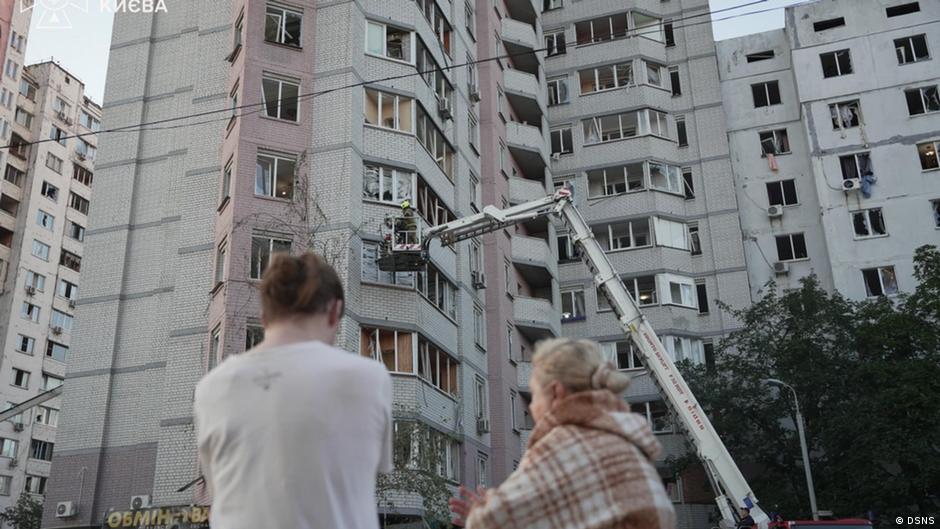
In the early hours of August 16, Russian forces launched ballistic missile and drone attacks targeting the Ukrainian capital Kyiv and the industrial city of Kryvyi Rih. The attacks resulted in one confirmed death and multiple injuries, while igniting fires across both cities.
Implications for Ukraine’s Tech Startups and Innovation Hubs
The missile strikes hit key urban districts in Kyiv, including Obolon and Holosiivskyi, where fires broke out in non-residential buildings and adjacent vehicles were damaged. Kyiv’s mayor, Vitali Klitschko, reported the incidents and noted at least one injury. Earlier attacks on August 11 affected areas near a children’s hospital and warehouse facilities, further underscoring the vulnerability of the city’s infrastructure.
Kryvyi Rih, a critical industrial center in Dnipropetrovsk Oblast, was also targeted by ballistic missiles and attack drones. The regional military administration head, Oleksandr Hanzha, confirmed one fatality and at least six injured, with the strikes primarily damaging industrial facilities. Medical aid is being provided to the wounded.
“These attacks not only threaten civilian lives but also risk destabilizing the growing innovation ecosystem that is vital to Ukraine’s economic resilience,” said an expert on Eastern European tech markets.
Ukraine’s tech startup scene, which has shown remarkable growth amid ongoing conflict, depends heavily on stable urban infrastructures, secure power supplies, and reliable communications networks. Disruptions from military strikes can delay product development, limit investor confidence, and complicate operational logistics for startups and venture capital funds alike.
Furthermore, the repeated targeting of industrial and urban centers raises concerns about the security of tech parks and business incubators located within these regions. Given that Kyiv serves as a major hub for software development and technology entrepreneurship, damage to its infrastructure could slow down the nascent digital economy’s trajectory.
Venture capital firms monitoring Ukraine’s market view such disruptions as potential risks but also as catalysts for innovation adoption in defense technologies, cybersecurity, and remote work solutions. The resilience of the startup community in adapting to such challenges remains crucial for attracting foreign investment and sustaining growth through turbulent times.
In the broader context of mergers and acquisitions, uncertainty stemming from ongoing hostilities could dampen deal flow and valuations within Ukraine’s tech sector. However, international interest in supporting Ukraine’s digital transformation continues, with many investors seeking opportunities to back startups contributing to the country’s economic and strategic recovery.
As military tensions persist, the intersection of conflict and innovation in Ukraine underscores the need for targeted support and security measures to safeguard the future of its vibrant technology ecosystem.