Russian Missile Strikes Hit Kyiv and Kharkiv Amid Ongoing Conflict Impacting Ukraine’s Tech Hubs
Recent Russian attacks on Kyiv and Kharkiv disrupt urban areas, posing challenges to Ukraine’s innovation ecosystem and startup environment.
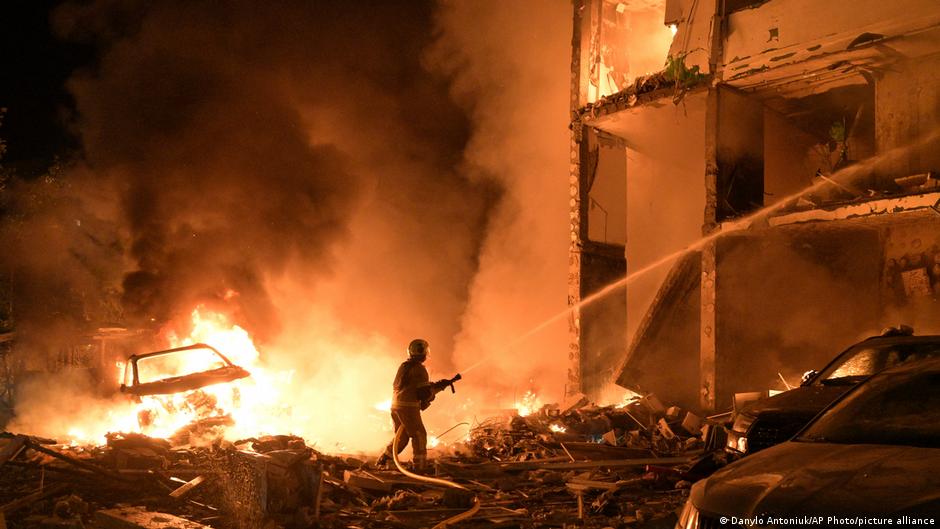
In the early hours of July 8, multiple Russian missile and drone strikes targeted several Ukrainian regions, with significant explosions reported in the capital, Kyiv, and the eastern city of Kharkiv. These attacks, part of the ongoing conflict, have resulted in casualties and infrastructure damage that could indirectly affect the country’s growing technology and startup sectors.
Escalation of Hostilities Threatens Ukraine’s Innovation Landscape
Local authorities confirmed explosions and fires in Kyiv and Kharkiv, with emergency services responding to numerous incidents. Kyiv’s mayor reported two injured individuals, one of whom was hospitalized. The attacks involved the use of ballistic missiles and unmanned aerial vehicles (UAVs), indicating a complex and sustained military campaign.
"At present, there are two injured in the capital, with one hospitalized," Kyiv’s mayor stated, underscoring the human toll amid urban targeting.
In Kyiv, missile strikes caused fires in warehouse facilities in the Desnyanskyi district in the northeast and ignited a non-residential building in the western Sviatoshynskyi district. Damage assessments indicated destruction to over 20 private homes, shattered windows of a religious building, street lighting systems, and five vehicles. The city remains under air raid alerts as Ukrainian Air Forces confirmed the launch of several ballistic missiles targeting the capital from the north.
Kharkiv, a major industrial and technological center in eastern Ukraine, also sustained damage from missile hits, including one in the Nemishlyanskyi district. The mayor reported injuries and damage to residential infrastructure.
These attacks come amid ongoing hostilities that threaten to destabilize Ukraine’s urban centers, which serve as critical nodes for the nation’s technology startups and innovation ecosystem. The disruption to infrastructure and increased security risks could hamper operational capabilities of startups, delay venture capital activities, and deter foreign investment.
Implications for Venture Capital and Startups
Ukraine’s technology sector, known for its robust IT services and growing startup community, relies heavily on the stability of urban hubs like Kyiv and Kharkiv. The recent military escalations pose direct and indirect challenges:
- Operational Disruptions: Power outages, damaged facilities, and security concerns may force startups to suspend or relocate operations, increasing costs and complicating logistics.
- Investment Climate: Heightened risk levels can lead to caution among venture capitalists and international investors, potentially slowing funding rounds or prompting portfolio reassessments.
- Talent Retention: Continued conflict may cause brain drain, as skilled professionals seek safety abroad, impacting the availability of technical expertise.
- Innovation Ecosystem: Interruptions in education, mentorship programs, and networking events may hinder startup growth and ecosystem development.
Despite these challenges, the resilience of Ukraine’s tech community has been notable throughout the conflict, leveraging remote work technologies and international partnerships to sustain operations. However, sustained security threats underscore the need for adaptive strategies in venture capital funding and startup management.
As the conflict endures, stakeholders within Ukraine’s innovation ecosystem must navigate a complex landscape of risk and opportunity, balancing immediate safety concerns with long-term ambitions for technological advancement and entrepreneurial growth.