Russia Develops Shadow Air Fleet to Support Military Operations in Africa, Raising Compliance Concerns
A covert network of military and private aircraft facilitates Russian military logistics in Africa, potentially impacting aviation and defense sectors.
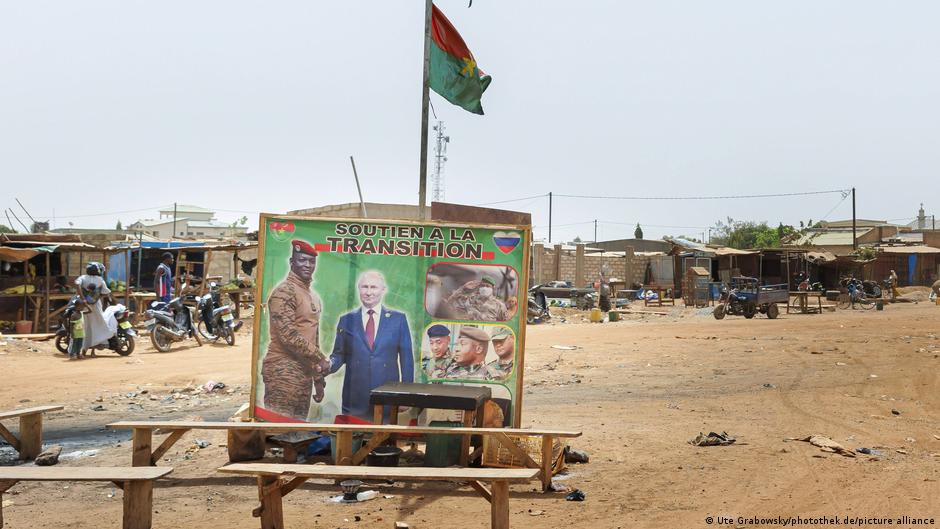
Russia has established a "shadow air fleet" to circumvent Western sanctions and supply its military forces operating in Africa's Sahel region, according to a detailed report by US-based nonprofit Center for Advanced Defense Studies (C4ADS) and Brussels-based media outlet Euractiv.
Impact on Aviation and Defense Ecosystems
The shadow air fleet comprises a complex network of military and private aircraft supporting logistics to Mali, Burkina Faso, and Niger. From January 2025 to July 2026, analysts estimate at least 75 flights originating from Russia were directed to these Sahel nations. This logistical system involves military operators, government agencies, and private transport companies, enabling Russia to sustain its presence despite international sanctions.
The mechanism mirrors tactics previously employed to maintain Russian oil exports through maritime shadow fleets, suggesting a strategic extension into aviation to bypass sanctions and maintain operational capabilities abroad.
The most active carrier in this network is the 224th Flight Detachment, a state-controlled entity under Russia's Ministry of Defence, already subject to US sanctions. Other key players include private airlines Sapsan Airlines and Liz Aviation, as well as aircraft operated by the Russian Ministry of Emergency Situations. Notably, these private companies have not been subjected to sanctions by the EU, US, or UK, highlighting potential loopholes in current regulatory frameworks.
Operations often route through Russia-controlled bases in Syria and Libya, while private carriers utilize commercial hubs in Turkey, Algeria, and the United Arab Emirates. This sophisticated logistics network underscores the increasing complexity of sanction evasion tactics and poses implications for policymakers and the international aviation industry.
"If these aircraft and companies knowingly transport Russian military personnel or cargo to support units in Africa, targeted sanctions must be imposed regardless of aircraft registration," stated Czech MEP Tomas Zdechovsky, urging urgent assessments by EU institutions.
This revelation carries significant ramifications for venture capital and startup ecosystems, especially in aviation technology and logistics startups that operate within or alongside sanctioned environments. It underscores the need for enhanced compliance mechanisms and risk assessment tools within the aviation and defense innovation sectors.
Market participants and investors should closely monitor evolving regulatory responses and emerging technologies aimed at improving transparency in aviation logistics, as geopolitical dynamics increasingly influence funding and M&A activity in this domain.