US Supreme Court Allows Trump to Proceed with White House Ballroom Construction
The court's decision permits continuation of White House renovations including a ballroom and military bunker, impacting federal oversight of presidential projects.
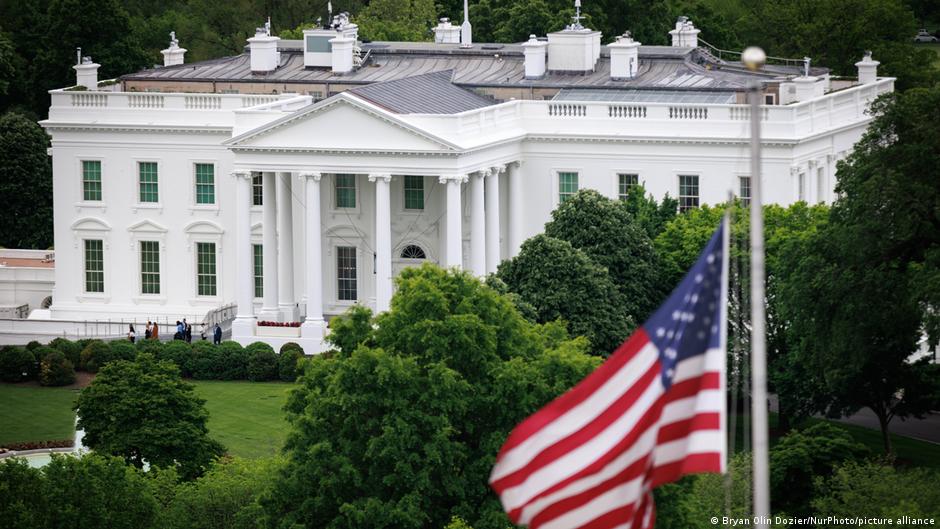
The US Supreme Court has granted former President Donald Trump permission to continue with the reconstruction of the White House, a project that includes the addition of a ballroom and a military bunker. This ruling temporarily overrules lower court orders that had halted construction activities.
On August 21, Chief Justice John Roberts intervened by blocking rulings from the Federal Appeals Court in Washington, which had previously prohibited Trump from proceeding. The appeals court had argued that the current administration did not have "unlimited authority" to redesign and reconstruct the White House according to personal presidential preferences.
Implications for Federal Oversight and Innovation in Historic Renovations
Trump’s administration challenged the lower court decision, emphasizing the national security importance of the project. According to Trump, the complex, featuring both a ballroom and a military bunker, will become "the greatest facility of its kind." The administration underlined that these constructions are vital for enhancing national security infrastructure.
"The project will become the greatest facility of its kind and is crucial for national security," Trump stated regarding the new White House additions.
Last year, without obtaining Congressional approval, Trump ordered the demolition of the historic East Wing of the White House to make room for the new ballroom and bunker. The move stirred controversy over the extent of presidential authority concerning federal property management and historic preservation.
Beyond this project, Trump has ambitious plans to transform Washington, D.C., by the end of his second presidential term in January 2029. Notably, he aims to reconstruct the Reflecting Pool and erect a 76-meter triumphal arch, which would be nearly three times taller than Berlin's Brandenburg Gate.
While these grand architectural projects are unprecedented, they raise significant questions about governance, heritage conservation, and procedural transparency in executing large-scale federal infrastructure initiatives. For the venture and technology sectors, such decisions highlight the complex interplay between political authority, regulatory frameworks, and innovation-driven urban development.
Startups and venture capitalists engaged in construction technology, security infrastructure, and project management solutions might find new opportunities arising from these historic renovation initiatives. The administration’s push for rapid, large-scale federal projects could encourage innovation ecosystems to develop novel technologies that streamline planning, compliance, and construction processes under demanding political environments.
Moreover, the Supreme Court’s ruling sets a precedent for how executive power can influence federal property projects, potentially affecting future public-private partnerships and investment flows in related sectors.