Russian Missile Strikes in Zaporizhzhia Highlight Risks to Ukraine's Civilian Infrastructure and Tech Ecosystem
Strikes damaging homes and civilian facilities in Zaporizhzhia underscore ongoing conflict impacts on regional stability and startup environment.
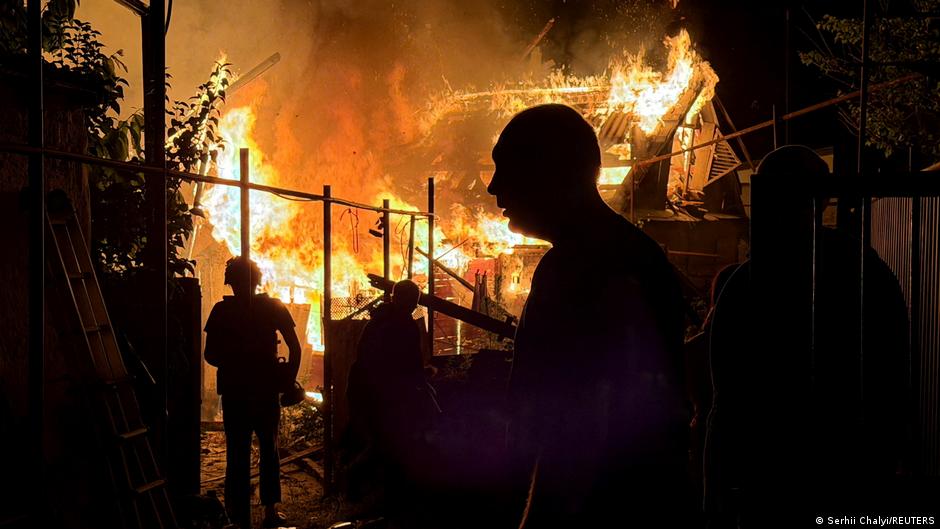
On the night of June 23, Russian military forces launched missile strikes targeting the city of Zaporizhzhia, Ukraine, resulting in damage to civilian infrastructure and injuries to at least two individuals. The attacks have raised concerns not only about humanitarian impacts but also about the broader implications for the region's economic and technological landscape, including its emerging startup ecosystem.
Impact on Infrastructure and Civilian Population
The head of the Zaporizhzhia Regional Military Administration reported that the strikes damaged private residences, agricultural outbuildings, and a local gas station. Multiple homes caught fire as a result of the attack, though emergency teams succeeded in extinguishing the flames. Medical services treated a 73-year-old man and woman for injuries sustained during the incident. The precise weaponry used has not been officially disclosed, though prior warnings indicated the possibility of precision-guided aerial bombs.
"The damage to essential civilian facilities and housing not only disrupts daily life but also jeopardizes the fragile stability necessary for economic recovery and innovation."
Additional attacks were reported the same night in the Kharkiv region, where rockets hit the Slobidskyi district and a drone strike targeted the Kyivsky district, highlighting the persistent threat to urban centers.
Broader Effects on Ukraine's Innovation and Venture Capital Climate
Ukraine's startup and technology sectors have been striving to adapt amid ongoing hostilities, which pose significant challenges to venture capital inflows, operational continuity, and talent retention. The recent escalation in military activity threatens to undermine investor confidence and complicate logistics and infrastructure essential for tech enterprises.
International stakeholders and venture capitalists monitoring the region may see rising geopolitical instability as a deterrent to funding, potentially slowing the growth of Ukraine's nascent innovation ecosystem. Given the damage to civilian infrastructure and risks to urban areas, startups may face increased operational costs and disruptions.
Furthermore, the United Nations has highlighted that civilian casualties and damages have surged to their highest levels since April 2022. This protracted conflict environment necessitates strategic resilience planning from startups and investors alike to safeguard assets and sustain innovation momentum.
As the conflict continues to impact civilian life and infrastructure, the resilience of Ukraine's technology sector remains a critical barometer for broader economic recovery and regional stability.