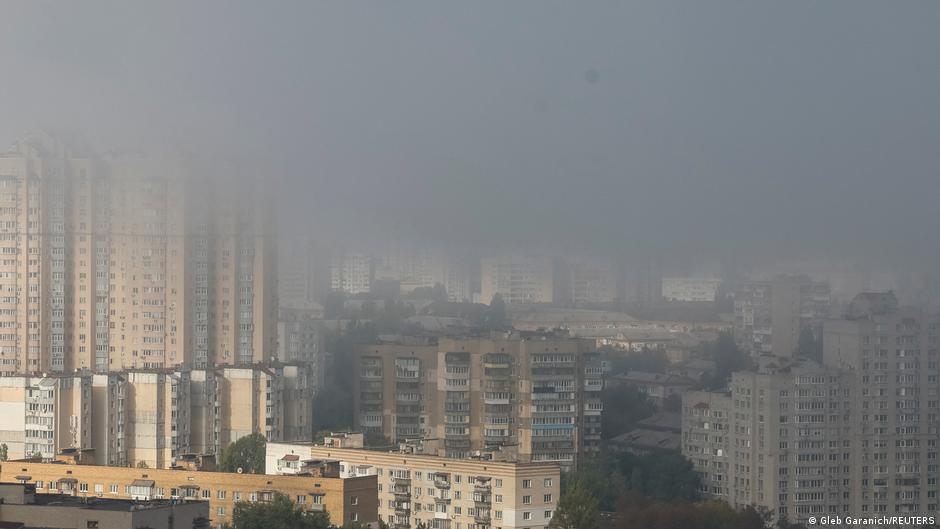
Russian Strikes Across Ukrainian Regions Disrupt Tech Ecosystem Amid Conflict
Attacks on Ukrainian cities generate casualties and risk destabilizing the country’s burgeoning tech and startup sectors.
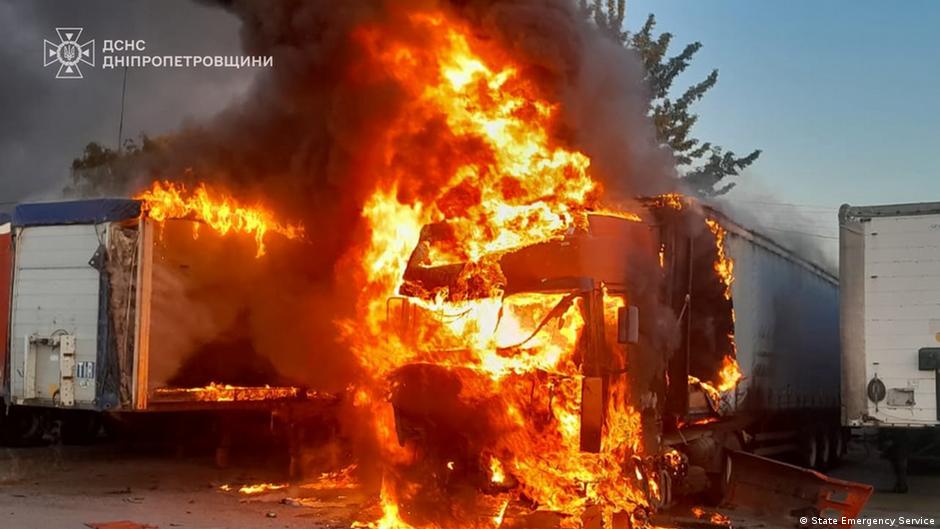
On July 2, Russia continued its military campaign against Ukraine with coordinated air and drone strikes across multiple regions, inflicting casualties and infrastructure damage. These attacks threaten to exacerbate instability in Ukraine’s developing innovation ecosystem, impacting venture capital inflows and startup growth.
Widespread Damage and Human Losses
The latest wave of strikes followed a severe night assault on Kyiv, which authorities described as the deadliest since the conflict began. Daytime and evening attacks targeted key Ukrainian regions including Kherson, Zaporizhzhia, Dnipropetrovsk, Mykolaiv, Kharkiv, Sumy, and Donetsk, resulting in multiple deaths and injuries.
In Kherson, a civilian vehicle strike claimed the life of a 41-year-old man, while a medical facility was also hit, killing a 63-year-old doctor and injuring a nurse. The regional governor reported ongoing drone raids into the evening, including strikes near critical infrastructure such as the Kherson oil refinery.
Zaporizhzhia suffered attacks on residential buildings, commercial warehouses, a sorting center for a major postal operator, and a sports complex. Seven people were wounded, including children aged 6 to 16. Dnipropetrovsk experienced around 40 strikes involving drones, artillery, aerial bombs, and missiles, killing two people including a seven-year-old girl, and injuring nine others, among them children as well.
Mykolaiv’s governor reported fatalities and injuries following drone strikes near a gas station, with destruction of fuel infrastructure and residential properties. Kharkiv and Sumy also endured attacks with casualties and damage to residential buildings, schools, and vehicles. In Donetsk’s Kramatorsk, drone strikes injured civilians.
"The continuing bombardments not only cause tragic loss of life but also jeopardize the fragile stability necessary for Ukraine's tech startups and innovation hubs to thrive," said an industry analyst.
Implications for Ukraine’s Tech and Startup Landscape
Ukraine’s technology sector, which has attracted growing venture capital interest in recent years, faces significant disruption as physical infrastructure and the safety of urban centers are compromised. The targeted attacks damage commercial real estate, logistics centers, and public services integral to the daily operations of startups and established tech companies alike.
Investors and entrepreneurs are increasingly concerned about the sustainability of operations amid an active conflict zone. The destruction of postal sorting centers and transport infrastructure, for example, hampers supply chains and distribution networks critical to e-commerce and tech firms.
The psychological toll on the workforce, including injury and displacement, further threatens productivity and innovation. The attacks coincide with reports of drone incursions and missile strikes late into the night, complicating any efforts to stabilize and rebuild economic activity.
While Ukraine has demonstrated resilience and adaptability in maintaining its digital economy during the conflict, the intensification of strikes risks slowing down the momentum in startup ecosystem growth and the inflow of venture capital funding. International investors may reassess risk profiles, potentially delaying or reducing new funding rounds.
Nevertheless, Ukrainian tech leaders advocate for continued support and emphasize the strategic importance of sustaining the innovation sector as part of national recovery and future economic independence.
As the conflict persists, the intersection of military conflict and economic innovation underscores the challenges faced by war-affected regions in fostering entrepreneurship and attracting investment.