UK Expels Russian Diplomat Amid Rising Diplomatic Tensions Impacting Tech Sector
London’s revocation of a Russian diplomat's accreditation follows Moscow’s expulsion of a British diplomat, escalating diplomatic strains that may affect the tech startup ecosystem.
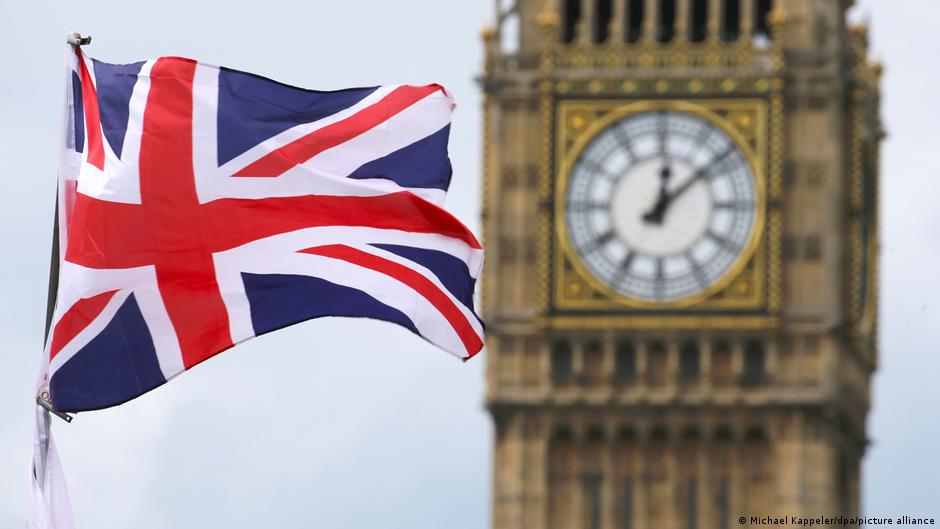
The United Kingdom has officially revoked the accreditation of a Russian diplomat in London following Moscow’s expulsion of a British diplomat accused of espionage, signaling a significant escalation in diplomatic tensions between the two countries.
On April 29, the UK Foreign Office summoned the Russian ambassador to London, Andrey Kelin, to deliver a formal protest and announce the withdrawal of accreditation for one Russian embassy staff member. This move is a direct response to Moscow’s decision last month to expel Jance Van Rensburg, a British diplomat serving as second secretary in the UK embassy in Moscow, who was accused by Russia’s Federal Security Service (FSB) of engaging in intelligence activities deemed a threat to Russian national security.
Diplomatic Conflict and the Wider Impact on the Innovation Ecosystem
The tit-for-tat expulsions underscore a deteriorating diplomatic relationship, with the UK government condemning Russia’s accusations as "absolutely unacceptable" and pledging to protect its diplomatic personnel from intimidation.
"We firmly condemn the unjustified decision by Russia to expel another British diplomat and the subsequent malicious campaign to discredit him. Such behavior is completely unacceptable and will not be tolerated," said a UK government spokesperson.
While these developments are primarily political, their ripple effects extend into the UK-Russia business and technology sectors, particularly impacting startups and venture capital investments. London is a global tech hub attracting Russian entrepreneurs, investors, and talent, and rising diplomatic tensions risk complicating cross-border collaboration, innovation partnerships, and venture funding flows.
Russian entrepreneurs operating in the UK’s dynamic startup ecosystem may face increased scrutiny, visa challenges, and a chilling effect on investment opportunities. Likewise, British venture capitalists with interests or partnerships in Russian tech startups could experience heightened regulatory and reputational risks.
Moreover, the diplomatic standoff signals a broader climate of uncertainty that may deter international investors from engaging with startups linked to either country, potentially slowing technology transfer and cross-border innovation initiatives crucial to the growth of emerging tech ventures.
In January, as part of this ongoing tit-for-tat, Russia had already expelled a British official from its Moscow embassy, citing espionage concerns. This pattern of reciprocal expulsions reflects a strategic posture that could have enduring consequences for bilateral cooperation and the global startup ecosystem.
As the UK government cautions against further Russian provocations, stating any additional actions will be met with "a hard and proportionate response," stakeholders in the venture capital and tech startup communities are closely monitoring the situation for its potential impact on international partnerships and market confidence.
Ultimately, the diplomatic discord serves as a stark reminder of how geopolitical tensions intersect with technology and innovation sectors, influencing startup dynamics, cross-border investments, and the broader ecosystem that fuels entrepreneurial growth.