Ukraine Launches National Pantheon and European Order to Strengthen National Identity Amid Diplomatic Strains
President Zelensky initiates new honors to unify Ukrainian heroes and reinforce European ties, impacting the country’s cultural and political landscape.
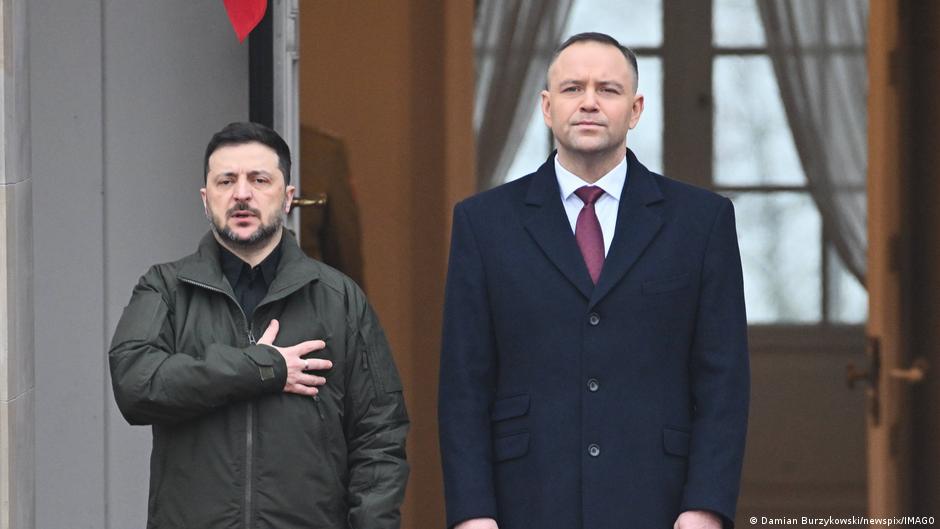
On June 28, Ukrainian President Volodymyr Zelensky announced the creation of the Ukrainian National Pantheon, a symbolic institution designed to honor the country’s historical heroes who fought for Ukraine’s independence across different eras. Alongside this, Zelensky proposed establishing a new state award, the Order of Europe, aiming to recognize those defending Ukraine's future and European security.
National Unity and Diplomatic Challenges
During his speech commemorating Ukraine's Constitution Day, Zelensky emphasized the importance of preserving the memory of national heroes. "The names of all heroes, who in different centuries and epochs fought for Ukraine, inspiring the nation, will be united and forever inscribed in our history with great respect and attention by the state," he said.
"No one will ever dictate to us how to live, how to speak, whom to love, whom to be grateful to, and which heroes to honor."
This declaration comes amid heightened diplomatic tensions between Ukraine and Poland. The controversy erupted after Zelensky’s decision to name a Ukrainian military unit after the Ukrainian Insurgent Army (UPA), a group associated in Poland with wartime atrocities, particularly the Volhynia massacre. The Polish government officially recognizes these events as genocide, which has led to a significant diplomatic backlash.
In retaliation, Polish President Karol Nawrocki revoked Zelensky’s highest honor from Poland, the Order of the White Eagle. Zelensky responded with irony, noting that the award had not been withdrawn from historical figures like Catherine II, Benito Mussolini, or Gerhard Schröder, and stated that Ukraine would not dispute the decision. Poland clarified that the award is not revoked posthumously and that Schröder did not commit offenses against the Polish people.
The diplomatic dispute spilled over as several Ukrainian officials returned Polish honors, and Polish politicians, including the Law and Justice (PiS) party leader Jarosław Kaczyński, returned Ukrainian awards. Kaczyński also urged the Polish government to block Ukraine’s EU accession talks, a move possibly aimed at consolidating voter support ahead of Poland’s 2027 parliamentary elections.
Public opinion in Poland reflects the strain, with a June poll indicating that 58.3% of Poles view Zelensky’s stance negatively. Nonetheless, President Nawrocki’s approval ratings reached a record high of 54.8% at the end of June, suggesting domestic support for his actions.
Implications for Ukraine’s Innovation and International Relations
The establishment of the National Pantheon and the Order of Europe is a strategic move that goes beyond cultural symbolism. It reflects Ukraine’s ongoing effort to consolidate national identity amid geopolitical challenges while signaling its commitment to European integration.
For the Ukrainian tech and startup ecosystems, a strengthened national narrative and closer ties to Europe could lead to increased investor confidence. Political stability and a clear European orientation often attract greater venture capital inflows and foster innovation-friendly policies.
Moreover, the Order of Europe is designed to honor both Ukrainians and foreigners who contribute toward safeguarding Europe’s future and advancing Ukraine’s EU membership. This could incentivize international collaboration, partnerships, and philanthropic investments in Ukraine’s technology sectors.
Although the European Union currently does not have an award named "Order of Europe," the Ukrainian initiative aligns with broader European values and may enhance Ukraine’s soft power and diplomatic leverage, indirectly supporting its economic and technological ambitions.