US and Iran Agree to Temporary Ceasefire Amid Strait of Hormuz Shipping Talks
Washington and Tehran pledge to halt attacks at least until June 30 ahead of key maritime negotiations in Qatar.
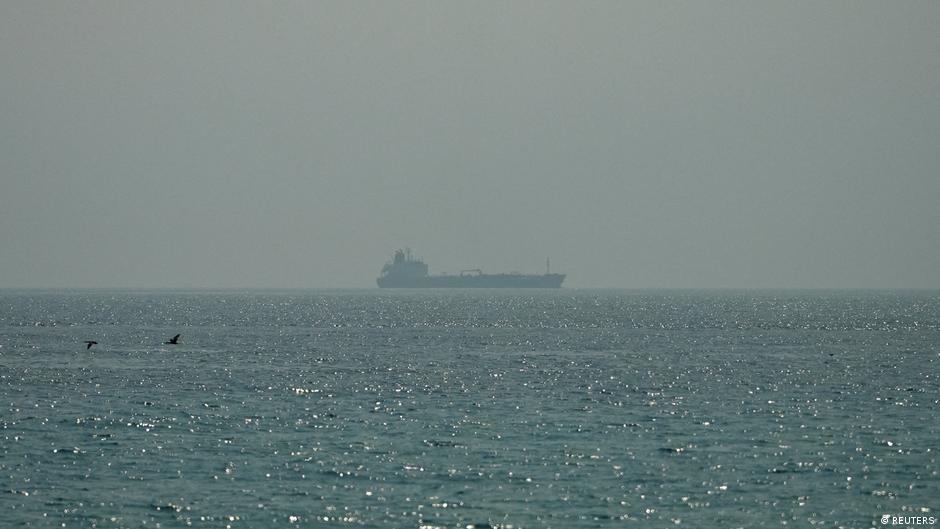
In a significant yet tentative development, the United States and Iran have agreed to a temporary ceasefire, refraining from military attacks against each other until at least June 30. This pause comes ahead of a scheduled meeting in Qatar where both parties plan to discuss the resumption of free navigation through the strategic Strait of Hormuz.
Impact on Regional Stability and Global Energy Markets
The announcement, reported on June 28, follows a recent exchange of heavy strikes between the two nations. Despite this volatile backdrop, the ceasefire is intended to create a conducive environment for diplomatic talks focused on easing restrictions and restoring open shipping lanes in the Strait of Hormuz, a vital chokepoint for global oil shipments.
"The agreed meeting on June 30 aims to address the reopening of free navigation in the Strait, which remains only partially accessible due to ongoing security concerns and navigational controls imposed by Iran."
Currently, Iran requires vessels to coordinate their routes with its military authorities, effectively limiting passage to two narrow lanes. This has halved shipping volumes compared to pre-conflict levels, despite previous assurances from the US administration about fully reopening the strait. Tehran has yet to approve comprehensive demining efforts, further complicating maritime traffic.
The stalled shipping has had a measurable impact on global energy markets. Following the June 17 announcement of a "memorandum of understanding" between the US and Iran, oil futures prices notably decreased. For instance, Brent crude prices fell to $73.22 per barrel on June 24, marking their lowest point since late February. West Texas Intermediate crude experienced similar declines, trading at $69.87 per barrel on the same day.
However, underlying tensions remain high. Between June 26 and 27, despite the declared truce, the US and Iran exchanged significant strikes. The US targeted several Iranian coastal bases in retaliation for attacks on two commercial vessels passing through the strait, which Iran attributed to the vessels deviating from routes authorized by the Islamic Revolutionary Guard Corps. Iran subsequently launched strikes against US military installations in Kuwait and Bahrain, causing substantial damage as reported by independent sources.
Both sides have since threatened to end the ceasefire, which has been in place since April 8 but frequently violated. The temporary truce offers only a limited window to negotiate longer-term solutions, which include sensitive issues such as Iran's nuclear program, US military presence in neighboring countries, and potential tolls imposed by Iran on ships passing through the strait.
Implications for Tech Startups and Venture Capital in the Region
While the immediate focus is on geopolitical and energy concerns, the tentative peace and potential reopening of the Strait of Hormuz carry significant implications for the broader innovation ecosystem in the Middle East. Stability in the region can catalyze increased venture capital inflows and foster growth for tech startups, especially those involved in logistics, maritime technology, and energy sector innovation.
Access to secure shipping lanes ensures smoother supply chains, which startups reliant on imported components or export markets can leverage. Moreover, the potential easing of tensions could encourage foreign direct investment and partnerships, providing startups with better access to capital and international markets.
Conversely, ongoing uncertainty and conflict pose risks that can stifle innovation and deter venture capital activity. Investors typically seek predictable environments, and the repeated breaches of ceasefire underscore persistent volatility. Therefore, the outcome of the upcoming talks in Qatar will be closely watched by stakeholders striving to expand the region's tech ecosystem amid shifting geopolitical dynamics.
In summary, the US-Iran ceasefire agreement represents a cautiously optimistic step toward stabilizing a critical maritime corridor, with ripple effects reaching global energy security and regional startup ecosystems. The forthcoming negotiations will likely influence venture capital confidence and the pace of technological innovation in the Middle East.