US Federal Court Strikes Down Trump-Era $100,000 H-1B Visa Fee Impacting Tech Talent
A US federal judge ruled the $100,000 H-1B visa fee illegal, potentially easing access for tech startups and innovation-driven firms reliant on global talent.
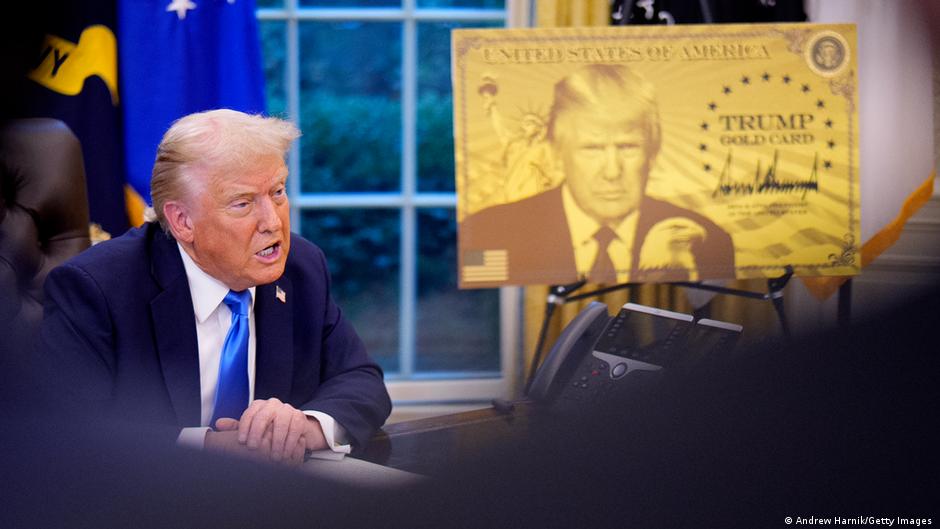
In a significant development for the US technology sector and venture-backed startups, a federal judge in the United States has invalidated the $100,000 fee imposed on H-1B visa applications under the Trump administration. The ruling, issued by District Judge Leo Sorokin on June 8, 2026, concluded that the fee exceeded executive authority and effectively operated as an unlawful tax.
Impact on Tech Startups and the Innovation Ecosystem
The H-1B visa program is a critical pathway for foreign high-skilled professionals, particularly in technology fields, to work legally in the US. According to data, nearly 75% of approved H-1B visa holders come from India, underscoring the program's role in fueling the US tech talent pipeline.
The Trump administration's introduction of a $100,000 fee in September 2025 was part of a broader anti-immigration policy aimed at prioritizing American workers by deterring foreign hiring. Previously, H-1B visa fees had not exceeded $5,000. This drastic increase alarmed the startup and venture capital communities, as many startups depend heavily on international talent to drive innovation, product development, and scaling.
Judge Sorokin’s decision follows a lawsuit filed by 20 US states challenging the fee’s legality. The ruling stated,
"The President did not possess the authority or delegated power to impose a tax on H-1B visa application filings."This judgment removes a major financial obstacle for businesses seeking to sponsor highly skilled foreign workers.
Although a separate federal ruling initially upheld the fee, that decision is currently under appeal, leaving this recent judgment as a pivotal moment for the future of H-1B visa regulation.
For venture capital-backed startups, access to specialized global talent pools is often a key competitive advantage. Restrictions or prohibitive costs on H-1B visas can constrain their ability to innovate and grow. By striking down the fee, the court's ruling may help restore a more favorable environment for startups that rely on international experts in fields such as software engineering, data science, and artificial intelligence.
This ruling also resonates within the broader innovation ecosystem, where attracting and retaining global talent is essential to maintaining US leadership in technology and entrepreneurship. The decision could encourage renewed investment and hiring by startups concerned about regulatory and cost uncertainties in immigration policies.
While the legal process continues, this development signals a potential recalibration of US immigration policy with implications for venture capital flows, startup growth strategies, and the overall competitiveness of the American tech industry.