US Intelligence Warns Israeli PM Netanyahu May Disrupt US-Iran Deal, Impacting Regional Stability
Israeli opposition to US-Iran memorandum could affect ongoing negotiations and regional security dynamics.
US intelligence agencies have alerted the Trump administration that Israeli Prime Minister Benjamin Netanyahu may attempt to derail a long-term agreement between Washington and Tehran. This warning highlights Israel’s dissatisfaction with the terms of the recently signed memorandum of understanding between the US and Iran.
Implications for Regional Security and Diplomatic Negotiations
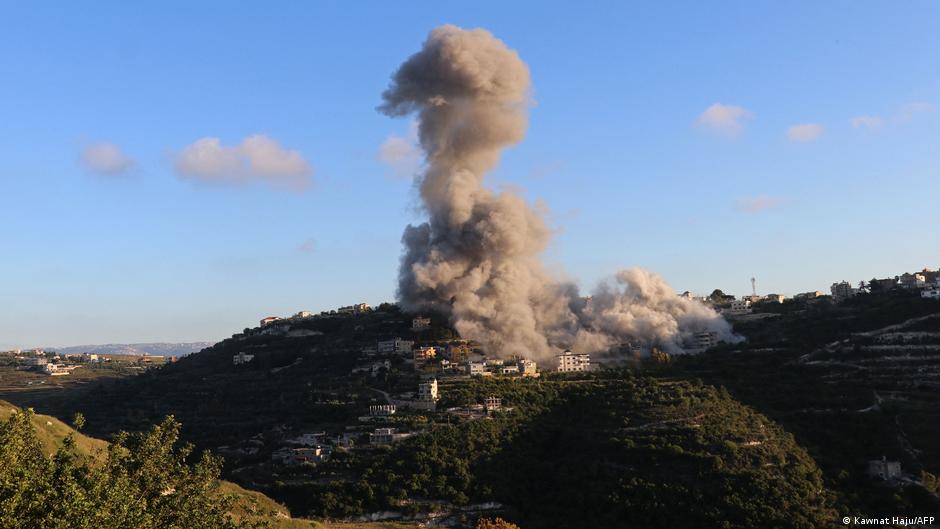
The intelligence report suggests that Israel intends to continue military operations against Hezbollah, the Lebanese Shiite militant group supported by Iran. This stance conflicts with Iran’s requirement for a ceasefire as part of further negotiations with the US. Netanyahu’s decision to maintain active combat operations stems from two main factors:
"The Israeli government views the US-Iran agreement as a relief from the 'maximum pressure' regime on Tehran, potentially restricting Israel’s ability to defend against Hezbollah threats," according to US intelligence assessments.
First, Israel is reportedly unhappy with the terms of the June 17 memorandum, which they believe eases sanctions pressure on Iran and could limit Israel’s defensive options against Hezbollah. Second, with Israeli parliamentary elections scheduled for fall 2026, Netanyahu faces strong domestic support for continued military action. A May survey by the Israeli Institute for National Security Studies found that 70% of Israeli Jews favor intensifying efforts against Hezbollah. Any ceasefire or withdrawal of the Israel Defense Forces (IDF) from southern Lebanon is likely to be perceived as a political defeat for Netanyahu.
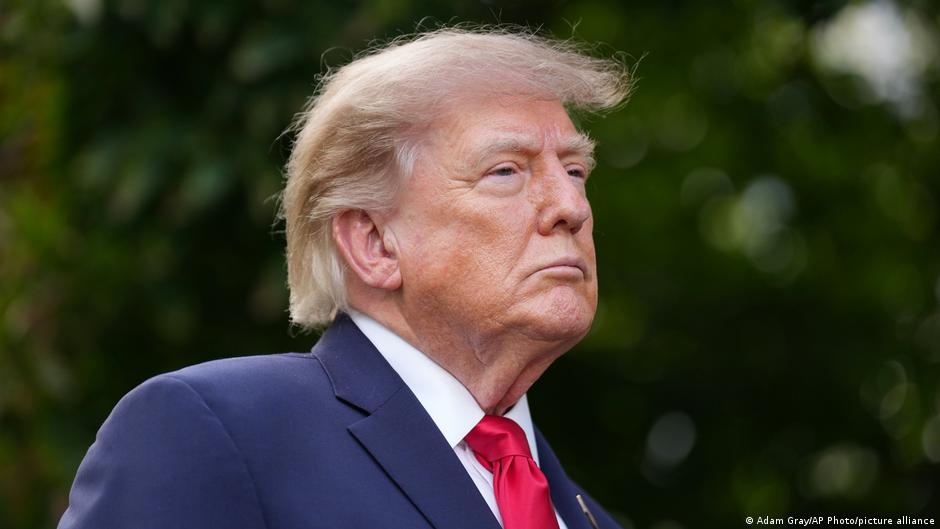
According to CNN, Netanyahu’s possible tactics to undermine the deal include applying political pressure on President Trump and leveraging right-wing media and pro-Israel US senators to influence public opinion and policy decisions. Netanyahu reportedly doubts the feasibility of a final agreement, citing Iran’s resistance to nuclear program restrictions.
Meanwhile, reports from Reuters and Sky News indicate that on June 19, Israel and Hezbollah reached a ceasefire agreement. However, Israeli sources claim the IDF will remain stationed in southern Lebanon. Contradictory claims have emerged from Beirut alleging IDF violations of the ceasefire, though these have not been confirmed by Israeli officials.
Impact on US-Iran Negotiations and the Broader Innovation Ecosystem
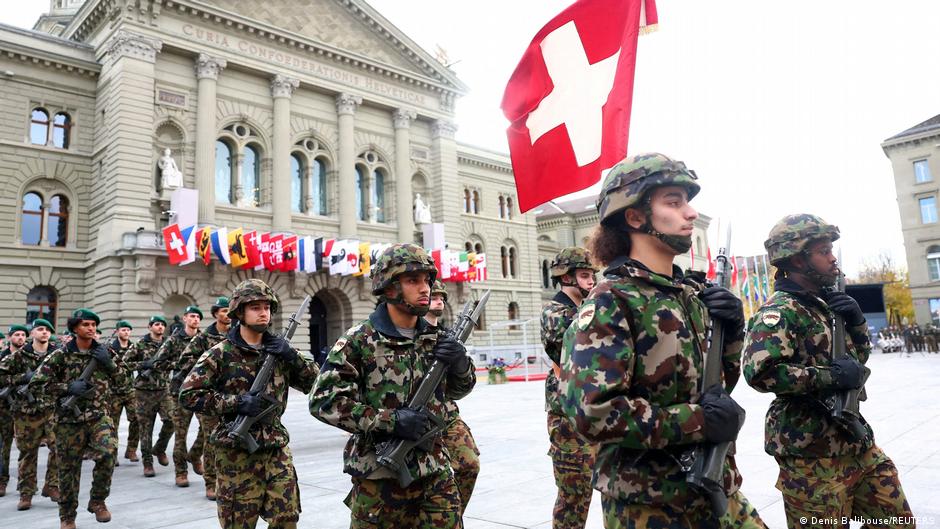
The ceasefire is a critical provision of the US-Iran memorandum, which aims to halt hostilities initiated on February 28 by the US and Israel. The document sets a 60-day negotiation period intended to finalize a peace agreement. Yet, fighting in Lebanon has persisted post-signing, complicating diplomatic efforts. Scheduled talks between US and Iranian delegations in Switzerland were postponed on June 19. Swiss officials had anticipated the meeting to include mediators from Qatar and Pakistan.
Iranian negotiators have expressed a desire to see US compliance with the memorandum before advancing further discussions, according to Iran’s Tasnim news agency. President Trump responded to the postponement by asserting on social media that the US was not desperate to meet and that Iran was "finished," emphasizing that no financial concessions would be made during the negotiation period.
For the tech startup and venture capital ecosystem, geopolitical instability in the Middle East, particularly involving key US allies and Iran, can indirectly affect global innovation markets. Heightened regional tensions may lead to increased uncertainty in investment climates, delay cross-border partnerships, and shift government funding and policy priorities away from innovation initiatives. Investors in technology sectors often monitor such geopolitical developments closely, as disruptions can impact supply chains, talent flows, and market access.
In addition, defense and cybersecurity startups may see opportunities amid escalations, as governments increase spending on advanced technologies for national security. Conversely, prolonged instability could deter broader venture capital activities due to risk aversion.