US-Iran Peace Deal to Immediately Reopen Strait of Hormuz, Impacting Global Trade and Tech Innovation
The newly signed memorandum between the US and Iran promises to lift port blockades and restore critical trade routes, potentially catalyzing venture capital flows in the region.
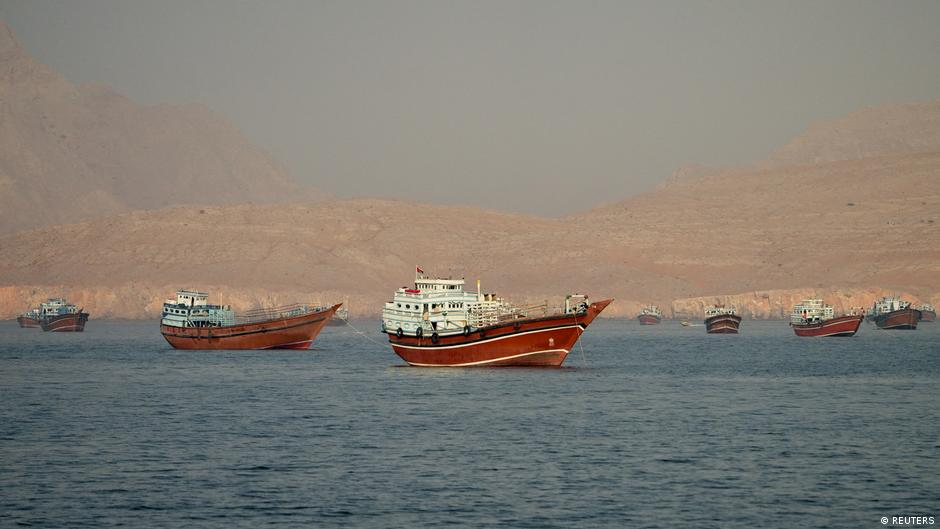
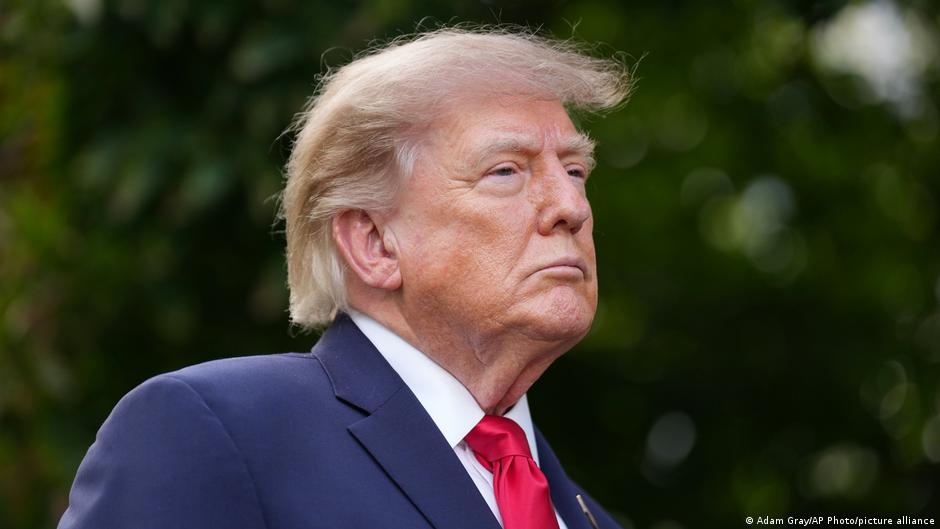
The Strait of Hormuz, a vital maritime passage for global energy supplies and trade, is set to reopen immediately following a historic memorandum signed by the United States and Iran. Pakistan's Prime Minister Shahbaz Sharif announced on June 18 that this step follows the digital endorsement of the peace agreement by US President Donald Trump and Iranian President Masud Pezeshkian on June 17.
The memorandum outlines the cessation of hostilities between the two nations and mandates the lifting of the US blockade on Iranian ports. This development holds significant implications for the geopolitical and economic landscape, particularly influencing the venture capital activity and startup ecosystems in the Middle East and adjacent regions.
Geopolitical Stability as a Catalyst for Regional Tech Innovation
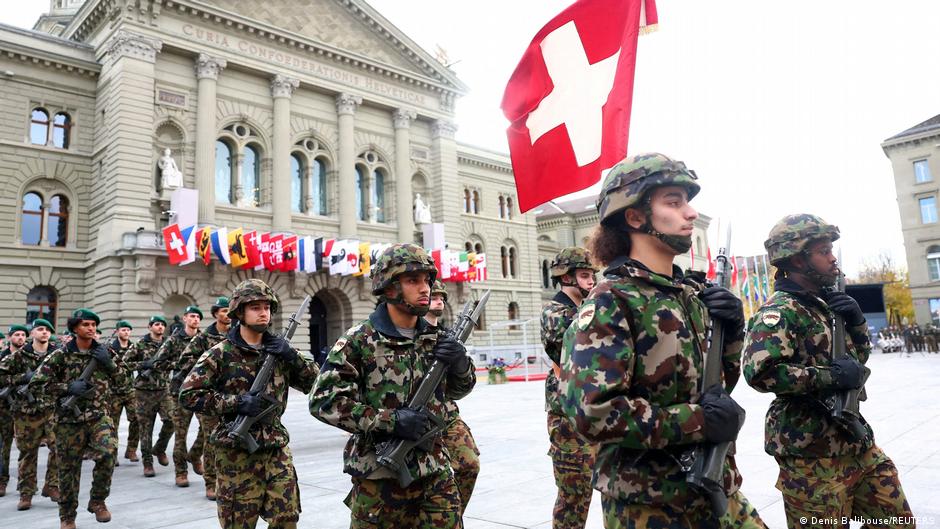
"The immediate reopening of the Strait of Hormuz signals an important step toward stability and economic normalization," Prime Minister Sharif stated on social media platform X. He further indicated that the formal signing ceremony is planned for June 19 in Switzerland, supported by Qatar, aiming to initiate technical-level negotiations for the final peace agreement within 60 days.
"This ceremony marks a pivotal stage, enabling discussions that could unlock economic opportunities and enhance connectivity across the region," Sharif said.
For the global venture capital community, the easing of tensions and reopening of trade routes can stimulate renewed investor confidence in Middle Eastern markets. The region, historically challenged by geopolitical risks, has seen emerging startup hubs focused on fintech, logistics, and energy technology. Improved diplomatic relations are expected to facilitate cross-border investments, partnerships, and mergers and acquisitions (M&A), which are critical to scaling tech startups.
Moreover, the lifting of sanctions and blockades could rejuvenate supply chains, lowering operational costs for startups reliant on imports and exports. Access to Iranian markets and ports might also present new opportunities for tech companies to expand their regional footprint.
Industry analysts emphasize that the memorandum could serve as a foundation for broader economic reforms and innovation-friendly policies, attracting global venture capital firms seeking high-growth markets outside saturated Western ecosystems.
In summary, the US-Iran memorandum not only promises peace but also sets the stage for a transformative impact on the innovation ecosystem in the Middle East, potentially accelerating the growth trajectory of tech startups fueled by fresh VC funding and strategic M&A activities.