US Lifts Strait of Hormuz Blockade, Paving Way for Renewed Energy and Investment Flows
US ends Strait of Hormuz blockade under Trump directive, initiating a 60-day negotiation period with Iran that may impact energy markets and startup investments.
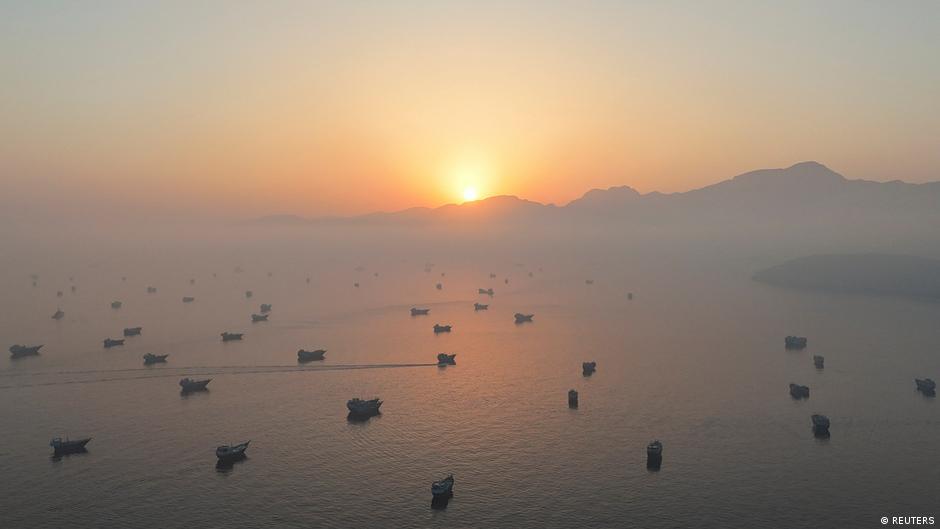
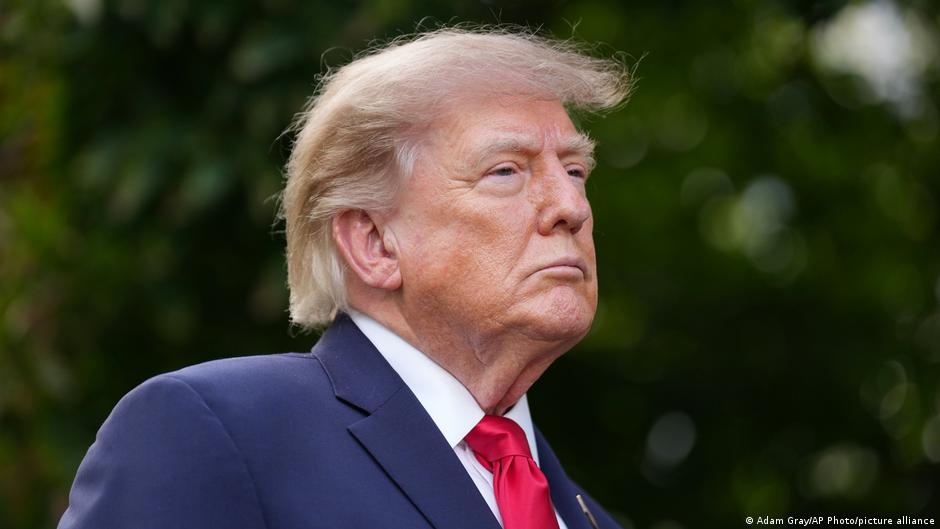
The United States has officially lifted its blockade of the Strait of Hormuz, a strategic chokepoint for global oil transportation, following an order from former President Donald Trump, according to a statement by the US Central Command (CENTCOM) on June 18. This move ends a period of significant tensions in the region and could have far-reaching effects on energy supply chains, venture capital flows, and the broader innovation ecosystem connected to Middle Eastern markets.
Strategic Implications for Energy and Investment
US Vice President David James Vance announced that within the last 24 hours, vessels carrying a total of 12.5 million barrels of oil successfully traversed the Strait of Hormuz. This volume marks a record since the onset of hostilities between the US, Israel, and Iran earlier this year on February 28. Notably, Iran refrained from hostile actions against shipping for a second consecutive night, signaling a potential de-escalation in military confrontations.
"All US military actions enforcing the blockade have ceased, though our powerful naval presence will remain to ensure full compliance with the terms of the agreement," CENTCOM emphasized.
The cessation of the blockade restores an essential artery for the global oil market, which could stabilize prices and supply. For startups in the energy technology sector, this may translate to renewed opportunities for partnerships, pilot projects, and investment inflows, particularly those focusing on energy logistics, maritime security technologies, and alternative energy sources tailored to the Middle East region.
Path Forward: Negotiations and Economic Reopening
The lifting of the blockade follows a remotely signed memorandum of understanding (MoU) between Washington and Tehran, initiating a 60-day negotiation period to finalize a comprehensive peace agreement. Originally scheduled for a July 19 in-person meeting in Switzerland, the process was expedited to accelerate reopening of the Strait.
The MoU includes 14 key points, such as immediate ceasefire on all fronts, cessation of the naval blockade, resumption of maritime traffic, lifting of US oil sanctions on Iran, and withdrawal of US troops from areas surrounding the Islamic Republic. Financial provisions are also significant: Iran is to receive $300 billion from a private investment fund, unblocking $24 billion in frozen assets, reflecting a potential influx of capital into Iranian markets.
For the venture capital and startup community, these developments could signal a turning point. The unlocking of Iran's sizeable investment funds and assets may foster a wave of innovation-driven initiatives, infrastructure projects, and cross-border tech collaborations. The normalization of trade and finance could catalyze startup ecosystems dealing with fintech, renewable energy, healthcare technologies, and digital infrastructure within Iran and its neighboring regions.
Moreover, Iran’s commitment not to pursue nuclear weapons alleviates some geopolitical risks, potentially encouraging international investors and venture capitalists wary of instability. The planned direct talks between US Vice President Vance and Iranian Parliament Speaker Mohammad Bagher Ghalibaf remain a critical factor for sustaining momentum toward peaceful economic engagement.
Impact on Tech Startups and Innovation Ecosystem
The reinstatement of commercial shipping lanes through the Strait of Hormuz is more than a geopolitical event; it opens new corridors for innovation and investment in a region historically challenged by sanctions and conflict. Startups focusing on maritime technology, energy efficiency, and security stand to benefit from improved regional stability and increased capital availability.
Furthermore, the anticipated influx of $300 billion in investment funds earmarked for Iran's rebuilding effort offers a fertile ground for venture capital firms seeking high-growth opportunities in emerging markets. This capital injection could stimulate sectors including clean energy, telecommunications, and health tech, aligning with global trends toward sustainable and inclusive tech ecosystems.
While uncertainties remain, the US-Iran memorandum and the lifting of the blockade mark a pivotal moment for venture capitalists, startups, and policymakers monitoring the Middle Eastern innovation landscape. It underscores the strategic intersection of geopolitics and technology investment, highlighting how diplomatic breakthroughs can unlock new economic potentials.