US Plans to Declare Strait of Hormuz American Territory Impacting Middle East Stability
Trump's announcement to claim the Strait of Hormuz as US territory may require permanent military presence, escalating geopolitical tensions affecting global oil supply and regional startups.
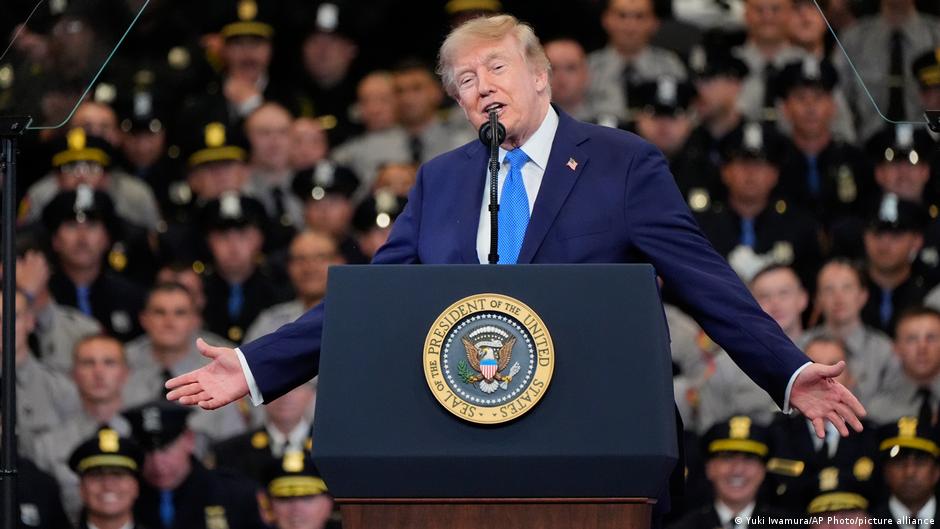
US President Donald Trump announced plans to declare the Strait of Hormuz as American territory following a decisive victory over Iran. This controversial move signals a potential indefinite military deployment in the strategic waterway, intensifying the geopolitical friction in the Middle East.
Potential Implications for Tech Startups and Venture Capital
The Strait of Hormuz is a critical chokepoint for global oil shipments, and control over it directly influences energy markets and international trade routes. Trump's declaration and the consequent military escalation could exacerbate existing supply chain uncertainties, impacting technology startups in energy, logistics, and maritime sectors.
Startups focusing on energy efficiency, alternative energy sources, and supply chain innovations may see increased investor interest as the industry adapts to potential disruptions. Venture capital firms are likely to reassess risk profiles and funding strategies for startups operating in or relying on Middle Eastern markets.
"An indefinite US military presence in the Strait of Hormuz could reshape the regional security environment, influencing both startup ecosystems and VC investment flows," said an industry analyst.
Iran denies US control over the strait and insists on sovereignty, further complicating the landscape. The Iranian Deputy Foreign Minister, Qasem Garibabadi, reaffirmed Tehran's resistance to US threats and military demonstrations.
Since the onset of conflict between the US and Iran—with support from Israel—navigation through the strait has been disrupted, reducing global oil reserves. Iran's demands include compensation for war damages and lifting sanctions as preconditions for reopening maritime routes.
Trump's previous assertions include ambitions to extend US territorial claims to Greenland, the Panama Canal, and even Venezuela, indicating a broader strategy of securing critical geographic and economic assets. The implications for startups and innovation ecosystems in these regions could be profound, potentially altering investment dynamics and growth opportunities.
For tech startups, this geopolitical uncertainty underscores the importance of adaptability and innovation in energy technologies, supply chain resilience, and geopolitical risk mitigation. Venture capitalists may increasingly prioritize startups that offer solutions addressing these challenges.