Swiss Voters Reject Neutrality Curbs That Could Have Limited Sanctions Policy
The referendum result preserves Switzerland’s ability to align with EU sanctions, a key signal for startups, investors, and cross-border dealmakers.
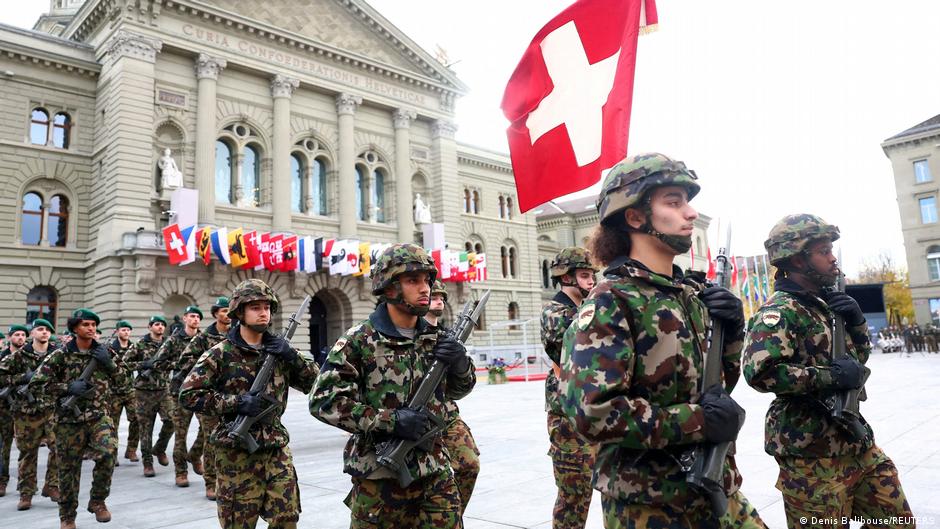
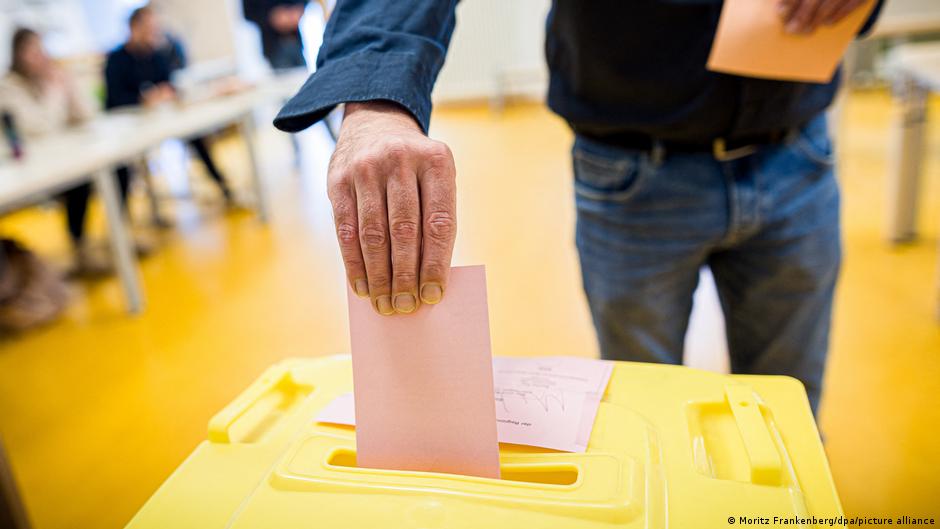
Swiss voters have rejected a proposal that would have imposed a stricter interpretation of the country’s political neutrality, including a broad limit on sanctions against warring states. Official results published by the Swiss government on Sunday, September 27, showed that 70.15 percent of voters opposed the initiative.
The measure, titled “Preserving Swiss Neutrality,” was promoted by the group Pro Schweiz, which is close to the right-conservative Swiss People’s Party. Its supporters argued that, while neutrality is already enshrined in Switzerland’s constitution, the government had weakened the principle of non-intervention by joining European Union sanctions against Russia over the war in Ukraine.
For Switzerland’s technology and venture ecosystem, the outcome matters beyond constitutional doctrine. Switzerland is a major financial center, a home to deeptech and biotech companies, and a base for startups that depend on international capital, cross-border partnerships, and predictable regulatory alignment with Western markets. A tighter sanctions regime, especially one requiring United Nations Security Council approval before economic sanctions could be imposed, would have changed how Swiss companies and investors navigate geopolitical risk.
A Vote With Implications for Capital and Compliance
The rejected proposal sought to write into the constitution a principle of “permanent and armed” neutrality. It also aimed to prohibit Switzerland from joining military alliances such as NATO or cooperating with them, except in cases where Switzerland itself was attacked. Its most direct economic impact would have been a broad ban on sanctions: under the proposal, the Swiss government could have imposed economic sanctions only after approval by the UN Security Council.
That provision would have had practical consequences for founders, venture funds, banks, and acquirers. Since many sanctions regimes are not approved by the UN Security Council, Swiss authorities would have faced much narrower room to align with partners in Europe and North America. For startups raising international capital or selling into regulated sectors, divergence from EU sanctions could have complicated due diligence, banking access, investor risk controls, and M&A negotiations.
The result therefore preserves the status quo under which Switzerland can apply neutrality with room for political judgment. It also avoids a scenario in which Swiss-based investors and technology companies might have faced a more unusual position: operating from a country that remained deeply integrated with European markets while being constitutionally constrained from joining many sanctions measures adopted by those markets.
Swiss neutrality, Foreign Minister Ignazio Cassis argued during televised debates, has always been applied with a measure of flexibility.
Cassis also said neutrality should not be equated with indifference. In his view, Switzerland should not close its eyes to violations of international law in order to protect its own interests or preserve peace. That argument appears to have resonated with voters, as all major political forces except the Swiss People’s Party opposed the initiative.
Why Startups Were Watching the Neutrality Debate
Switzerland’s startup sector is closely tied to international flows of capital and talent. Companies in fintech, artificial intelligence, robotics, biotech, medtech, and crypto infrastructure often rely on foreign investors, multinational customers, research collaborations, and exit opportunities involving larger European or U.S. buyers. In that environment, sanctions policy is not an abstract diplomatic matter. It shapes compliance expectations across banks, enterprise clients, venture firms, and strategic acquirers.
If Switzerland had moved toward a more rigid neutrality framework, companies headquartered there might have had to explain a more complex regulatory environment to overseas investors. Venture funds with limited partners in multiple jurisdictions could also have faced questions about exposure to sanctioned counterparties or entities operating under conflicting rules. Even without immediate changes to startup activity, uncertainty itself can slow deals, raise legal costs, and make international capital more cautious.
The rejection of the initiative does not create a new pro-sanctions mandate, nor does it alter Switzerland’s constitutional neutrality by itself. But it signals that voters were not willing to lock the country into a narrower policy model that would have sharply limited the government’s ability to respond to conflicts through economic measures. For the innovation economy, that continuity may be the most important takeaway.
The vote also arrives at a time when geopolitical alignment has become a core part of technology investing. Export controls, sanctions screening, dual-use technologies, cybersecurity rules, and defense innovation increasingly influence where capital moves and which startups can scale internationally. Swiss companies competing in sensitive sectors will continue to operate in a jurisdiction that maintains neutrality but also reserves flexibility to act alongside major economic partners.
Food Security Proposal Also Defeated
Swiss voters also rejected a separate initiative on food security by more than 70 percent. Supporters of that measure had proposed increasing the share of food produced domestically to at least 70 percent of consumption. They also sought to raise production of plant-based foods, reduce the use of crop protection products and fertilizers, and strengthen protection of drinking water, soil fertility, and biodiversity.
Although separate from the neutrality vote, the food security proposal also touched on issues relevant to innovation and investment. Agriculture technology, climate-focused startups, alternative proteins, water management, and biodiversity monitoring are all areas where policy can shape market demand. But the referendum result means Switzerland will not adopt the proposed constitutional-level targets and restrictions through this initiative.
Together, the two votes show Swiss voters resisting major constitutional changes that would have constrained government policy in foreign affairs and food systems. For entrepreneurs and investors, the more immediate message is continuity: Switzerland remains a neutral country, but not one that has chosen to constitutionally narrow its room for sanctions policy in response to international conflicts.