US Prepares to Allow Saudi Arabia Uranium Enrichment, Raising Geopolitical and Tech Risks
US administration signals approval for Saudi uranium enrichment without stringent IAEA oversight, potentially impacting regional stability and tech innovation.
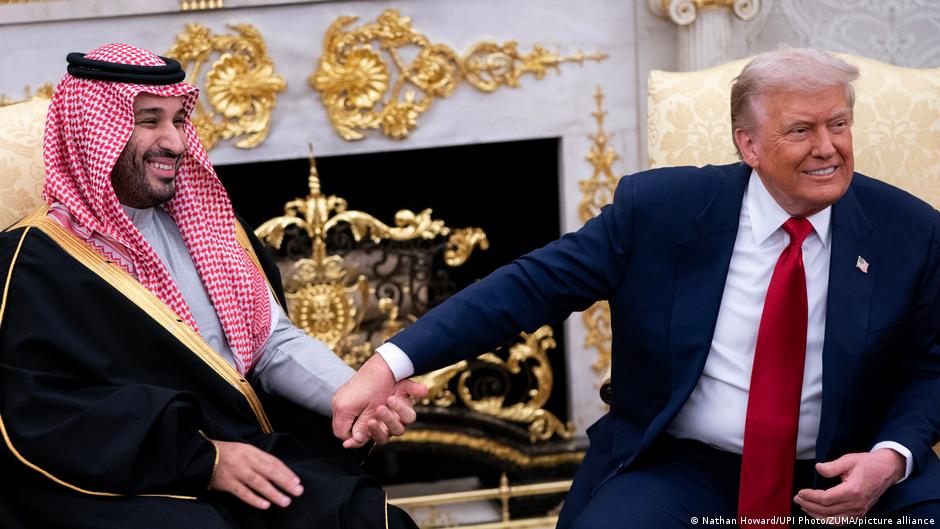
The Trump administration has reportedly agreed to permit Saudi Arabia to enrich uranium without the rigorous safeguards typically imposed by the International Atomic Energy Agency (IAEA), according to sources familiar with ongoing negotiations. This move could have cascading effects on regional security and the global technology and innovation landscape.
Implications for Regional Stability and Innovation Ecosystem
The agreement under discussion is a bilateral framework aimed at fostering civilian nuclear energy cooperation between the United States and Saudi Arabia. However, it notably lacks provisions that would require Riyadh to join the IAEA's Additional Protocol, which grants the agency expanded inspection rights to verify the absence of undeclared nuclear activities.
"The absence of stringent verification measures could potentially pave the way for Saudi Arabia to develop nuclear weapons capabilities," experts told CNN.
This shift signals a significant departure from previous US non-proliferation policies that tightly controlled uranium enrichment activities to prevent nuclear weapons development. Saudi Crown Prince Mohammed bin Salman has openly stated that if Iran acquires nuclear weapons, Saudi Arabia would seek to do the same, intensifying regional arms competition.
For the venture capital and tech startup community, this geopolitical development introduces heightened uncertainty. The Middle East's technology ecosystem, already navigating complex political terrains, could face increased risks. Enhanced nuclear capabilities may escalate military tensions, potentially disrupting supply chains, investment flows, and cross-border collaborations that are vital for emerging tech ventures.
Moreover, the prospect of Saudi Arabia expanding its nuclear infrastructure could stimulate demand for advanced technologies in nuclear safety, monitoring, and related sectors. This may open new avenues for technology firms and startups specializing in nuclear tech, cybersecurity, and regulatory compliance solutions.
US-Saudi Nuclear Deal Status and Challenges
While negotiations between the US and Saudi Arabia concluded in late 2025, the agreement awaits formal signing by President Donald Trump. Sources indicate that escalating conflicts involving the US and Israel against Iran have contributed to the delay. This context underscores how geopolitical tensions directly influence strategic agreements and, by extension, the innovation environment tied to these regions.
Startups and investors monitoring nuclear technology developments and Middle Eastern markets should consider these evolving dynamics. Strategic partnerships and funding rounds may increasingly factor in geopolitical risk assessments related to nuclear proliferation and regional security strategies.
As the US potentially relaxes uranium enrichment conditions for Saudi Arabia, the intersection of geopolitics and technology innovation becomes increasingly pronounced. Stakeholders in the venture ecosystem must remain vigilant about how such high-level policy shifts can ripple through technology sectors, affecting everything from regulatory landscapes to investment climates.